Industry news

Industry news

Museum-Grade Lighting: How to Choose LED CCT Track Lights for Art Galleries
2026-03-18 10:32:13


In the world of fine art, lighting is not merely a utility; it is a bridge between the artists' vision and the viewers' perception. Whether you are illuminating a Renaissance oil painting or a contemporary neon installation, the choice of a CCT track light system can make or break the gallery experience.

This guide explores the technical rigors of museum-grade lighting, focusing on how to balance aesthetic brilliance with the long-term preservation of priceless works.


1. Understanding the "Museum-Lighting" Standard

Before diving into hardware, we must define what "museum-lighting" actually means. Unlike residential or retail lighting, gallery lighting must meet strict criteria for color accuracy, UV emission, and thermal control.

The Role of Color Temperature (CCT)

The CCT (Correlated Color Temperature) of a track light determines the "warmth" or "coolness" of the light beam, measured in Kelvins (K). In an art gallery, a CCT track light with adjustable settings is often the gold standard.

  • 2700K - 3000K (Warm White): Ideal for classical paintings, gold-leaf frames, and sculptures made of wood or warm-toned stone.

  • 4000K (Neutral White): Preferred for contemporary art, photography, and modern "white cube" gallery spaces.

  • 5000K+ (Cool Daylight): Rarely used for display, but essential for restoration studios where natural light simulation is required.

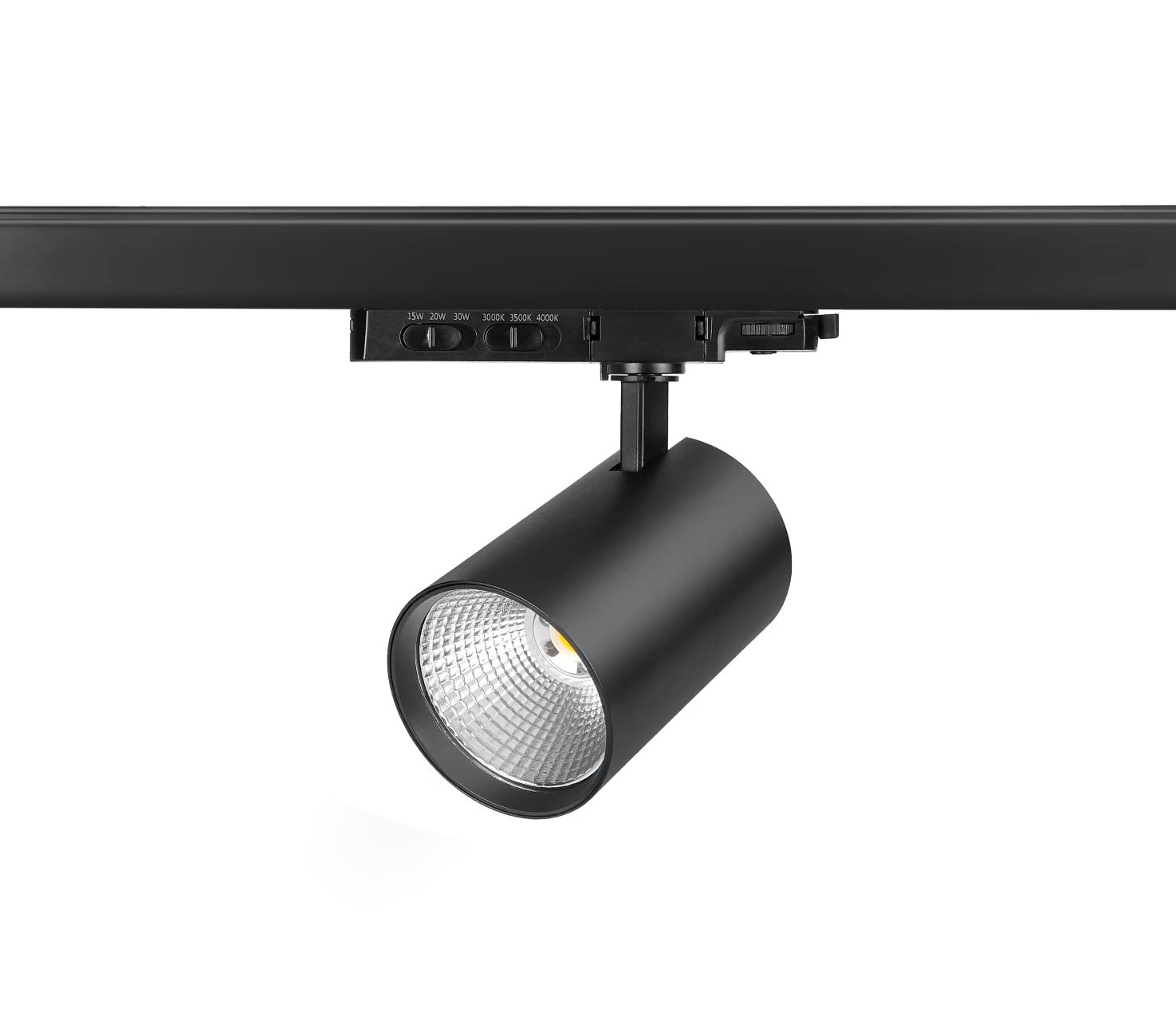
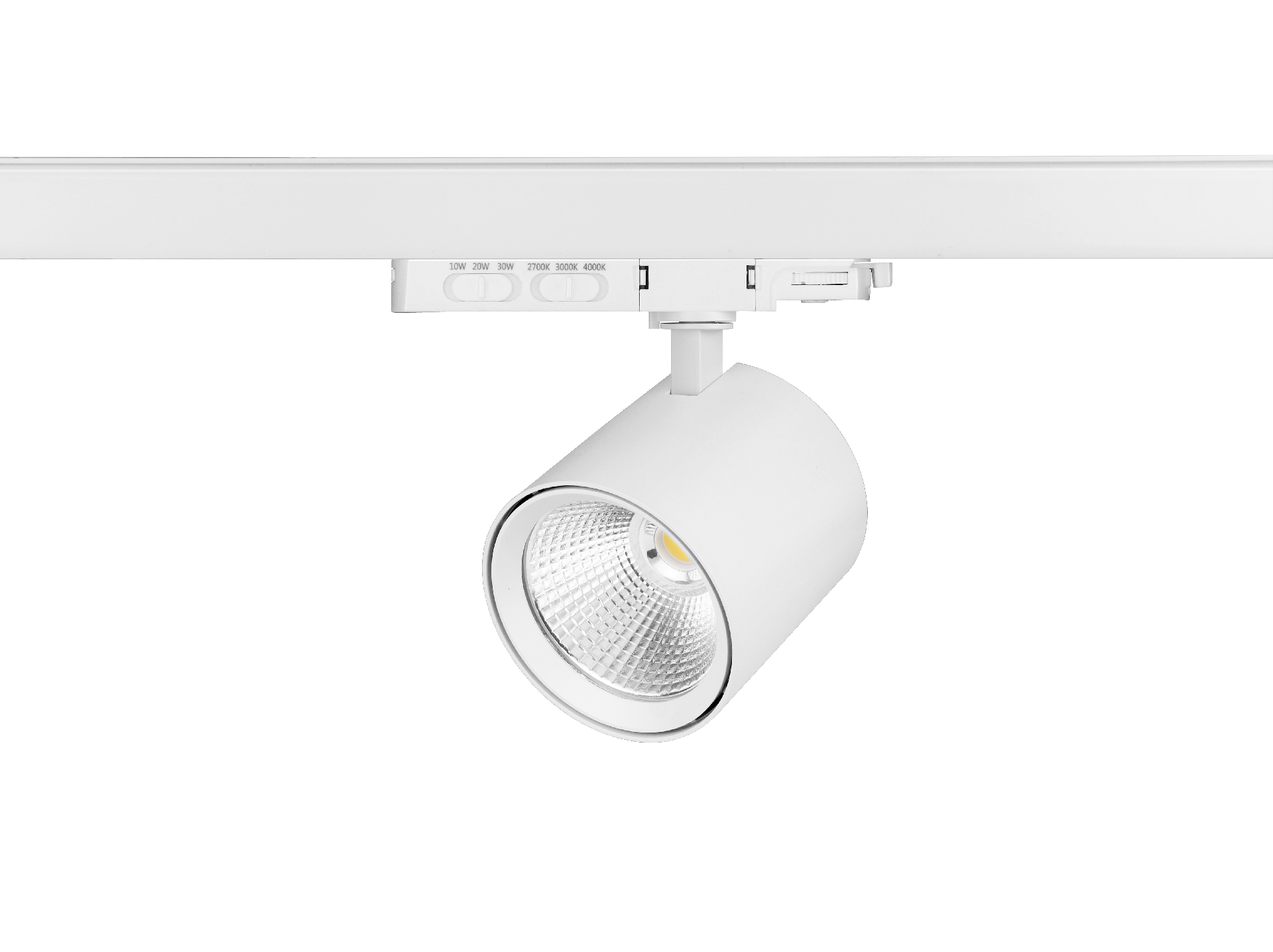
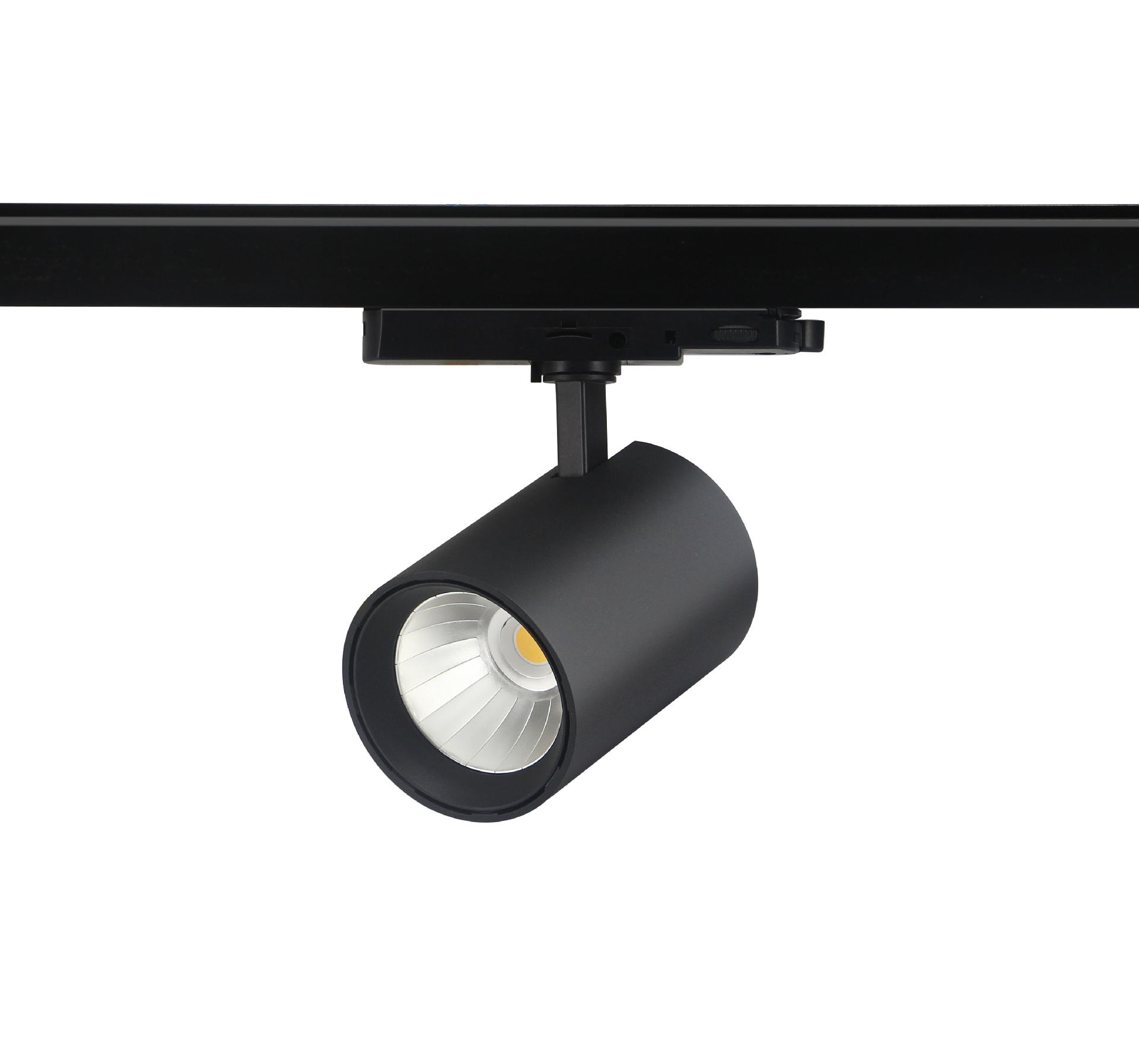
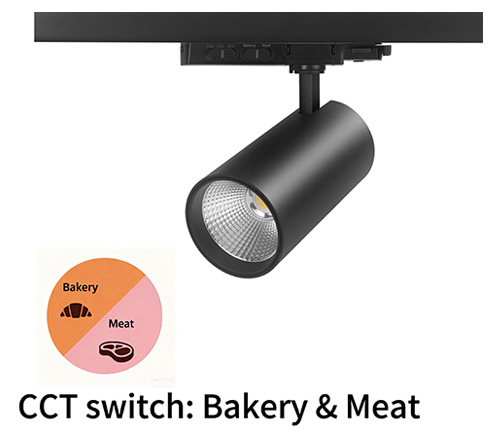
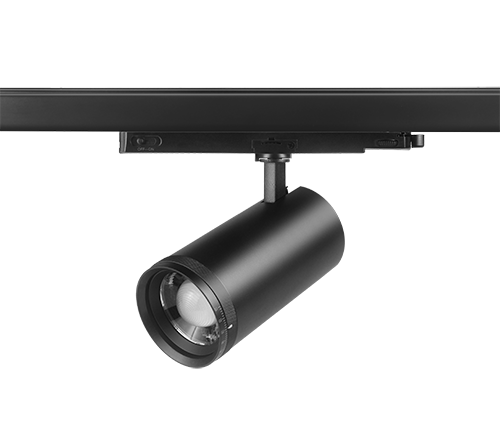
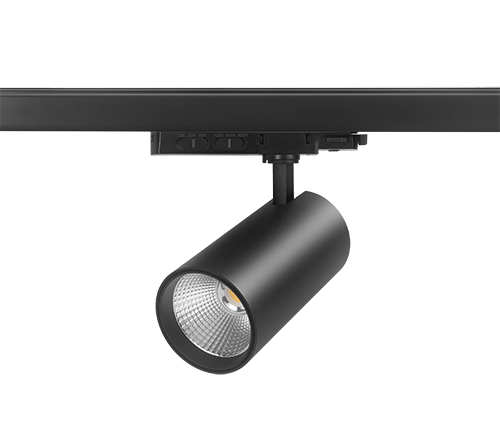
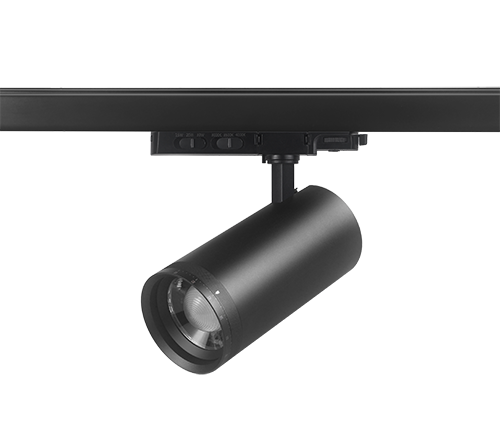
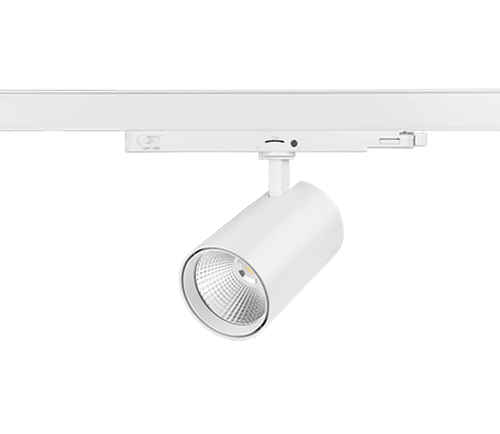
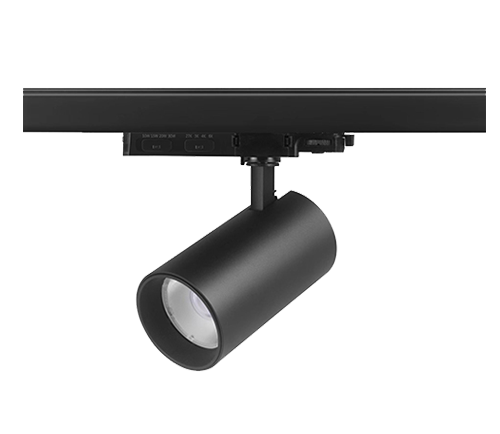
This CCT track light integrates all the fintions into one light, which are 3POWER switchabale & 3CCT switchable & triac dimmable. So just 1 peice CCT track light can meet at least 9 lighting needs.


2. What makes CCT Track Light Systems Revolutionary for Galleries

Static lighting is the enemy of a dynamic gallery. As exhibitions rotate, the lighting needs to evolve.

Versatility in CCT Selection

Modern CCT track light fixtures often feature "Tunable CCT technology. This allows curators to shift from a warm 2700K to a crisp 4000K without changing the physical bulb just to switch the bottom on the track adapter to change the CCT & POWER freely. This versatility ensures that a gallery doesn't need to reinvest in hardware every time they switch from an 18th-century portraiture show to a modern minimalist exhibit.

Precision Aiming and Beam Angles

Museum-grade track heads are equipped with specialized optics. While a standard home track light might have a messy "spill" of light, professional gallery fixtures offer:

  • Narrow Spot (15° - 24°): For highlighting small details or distant sculptures.

  • Medium Flood (24° - 36°): For standard canvas sizes.

  • Wall Wash: For uniform illumination of large-scale murals or text panels.

with the wide angle options, it can highlight the arts correctly.


3. The Science of Color Rendering: Beyond the Basics

If CCT is the "flavor" of the light, the Color Rendering Index (CRI) is its "clarity."

CRI vs. TM-30

For a CCT track light to be considered museum-quality, a standard CRI of 80 is insufficient.

  • CRI (Ra) 95+: This is the minimum requirement to ensure reds (R9) and skin tones appear natural.

  • TM-30-18 Metrics: Modern galleries now look at Rf (Fidelity) and Rg (Gamut). A high Rf ensures the light doesn't distort the artist's original color palette.


4. Preservation: Protecting Art from Light Damage

Light is energy, and energy causes photochemical degradation. Every photon hitting a canvas is slowly breaking down pigments.

UV and IR Radiation

Traditional halogen lamps emitted significant Ultraviolet (UV) and Infrared (IR) radiation. LED technology inherently emits zero UV, but high-intensity blue light (found in cheap, high-CCT LEDs) can still cause fading.

Pro Tip: Look for CCT track lights that incorporate museum-grade chips with "Soft Linear Dimming" to reduce heat stress on the artwork.

The Lux-Hour Rule

Museums calculate a "light budget" for sensitive items (like paper or silk), often limiting exposure to 50 Lux. Professional track systems must support high-precision dimming (0.1% to 1%) without flickering to maintain these strict conservation standards.


5. Technical Specifications for the B2B Buyer

When sourcing CCT track lights for a commercial gallery project, use this checklist for your RFQ (Request for Quote):


FeatureMuseum Requirement
CCT RangeTunable 2700K - 3000K-4000K
CRI / Ra90+ (with Ra > 90)
SDCM< 3 (Step MacAdam Ellipse for color consistency)
DimmingDALI, Triac dim, or 0-10V
Anti-GlareHoneycomb louvers or snoots required


6. How to Layout Your Track Lighting System

The physical installation is as important as the fixture itself.

The 30-Degree Rule

To avoid glare on glass-covered art and to prevent the shadow of the viewer from falling on the piece, track lights should generally be installed at a 30-degree angle from the vertical.

  • Too steep (>45°): Creates long shadows from the frame and emphasizes texture too harshly.

  • Too shallow (<20°): Causes "veiling reflection" (the viewer sees the light bulb reflected in the glass).


7. Future Trends: Smart Lighting and Connectivity

The future of the CCT track light lies in wireless control.

  • Casambi/Bluetooth Mesh: Allows curators to dim individual lights or change CCT via an iPad while standing in front of the art.

  • Occupancy Sensing: Lights dim to 10% when no one is in the room, drastically extending the life of the art and reducing energy costs.


Conclusion: Making the Final Choice

Selecting the right CCT track light is an investment in the "story" of your gallery. By prioritizing high CRI, tunable color temperatures, and precise optics, you protect the physical integrity of the art while enhancing its visual impact.


skype

Contact