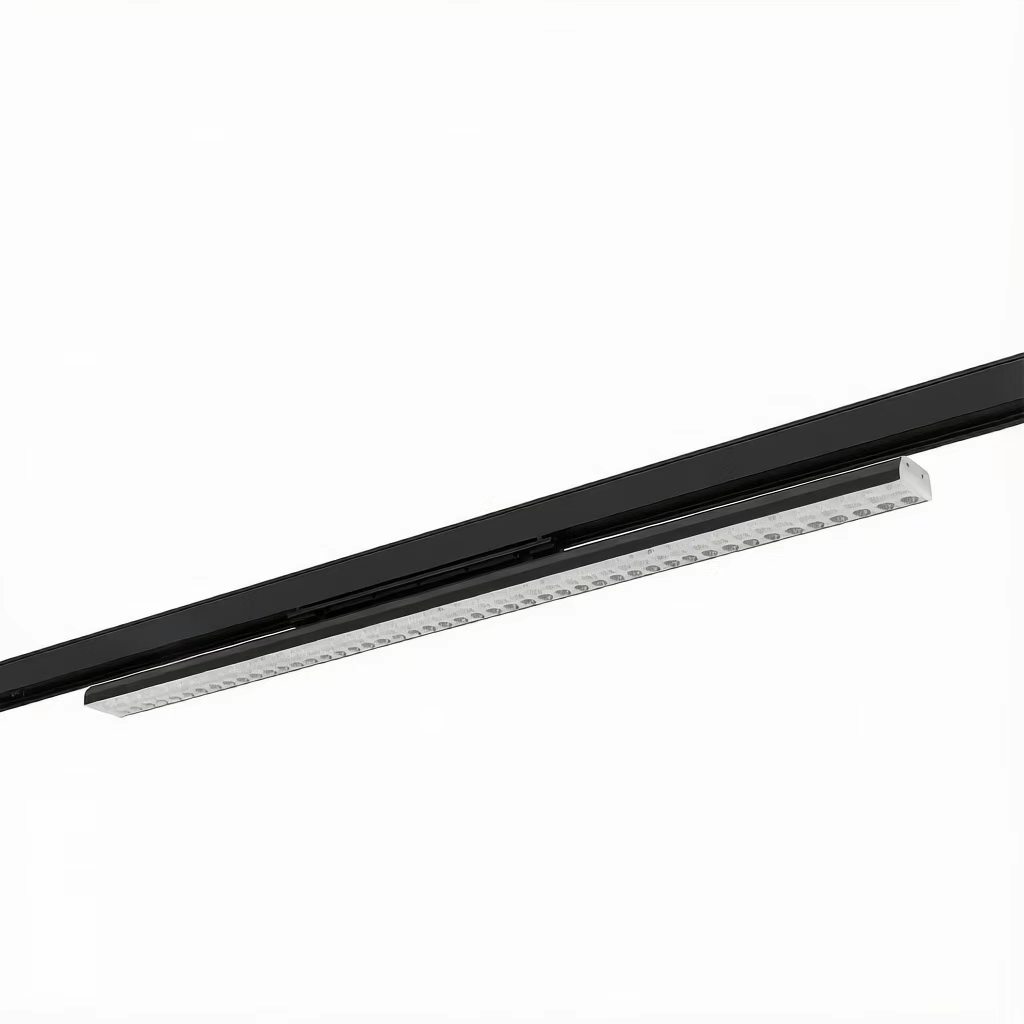
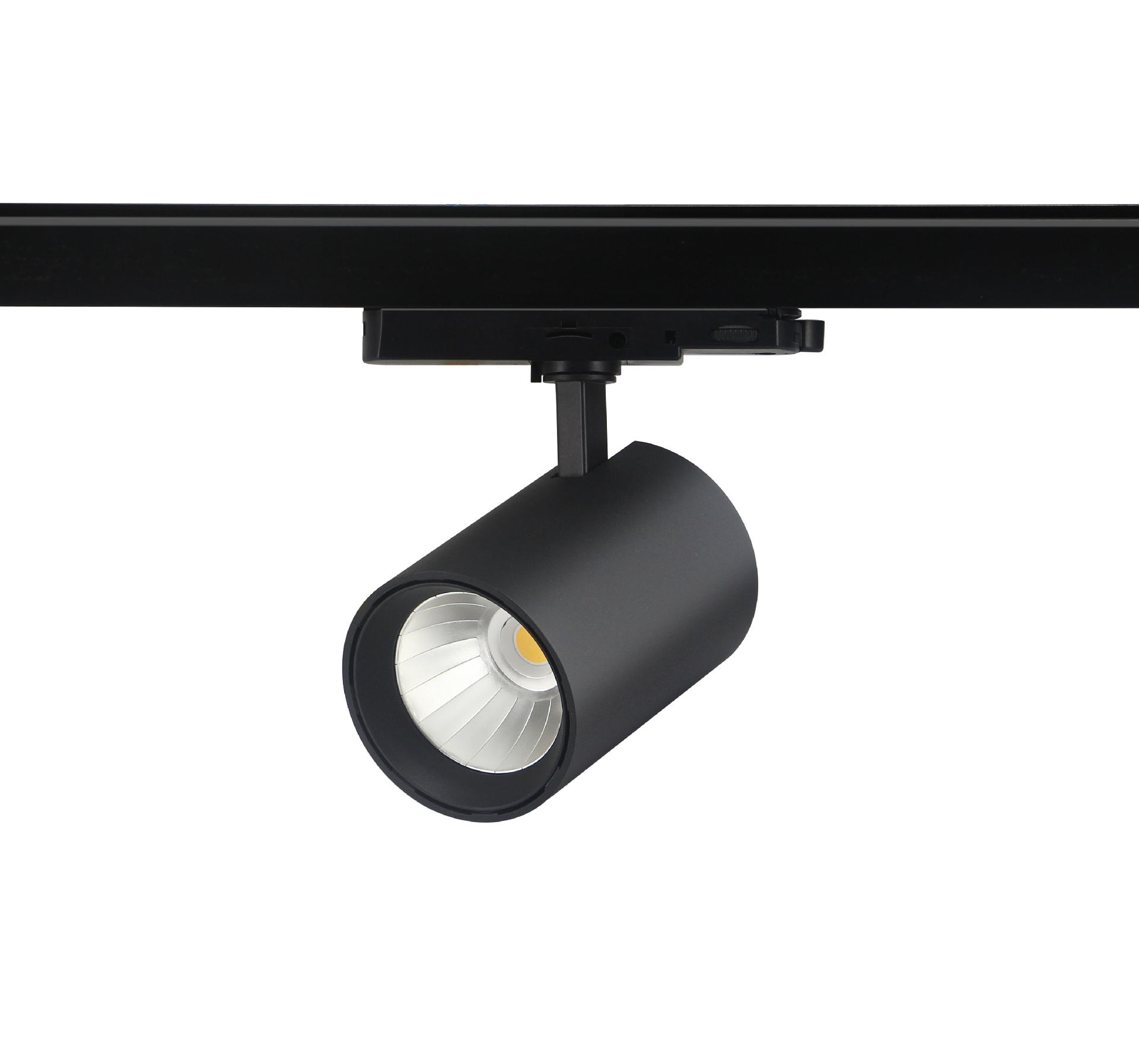
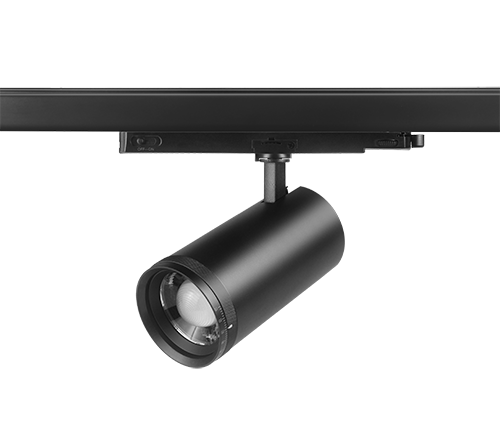
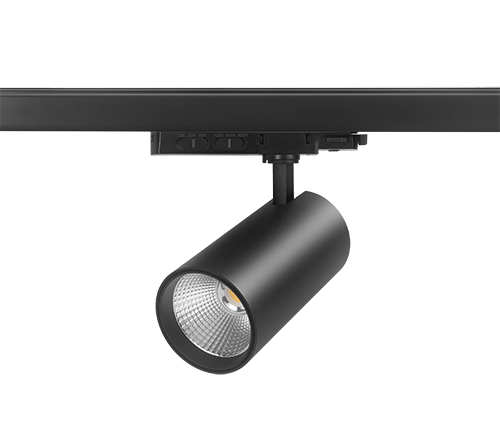
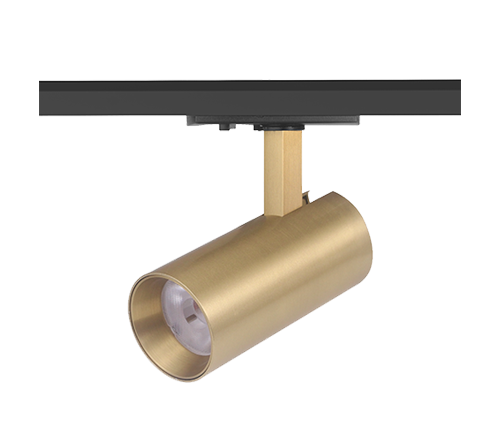
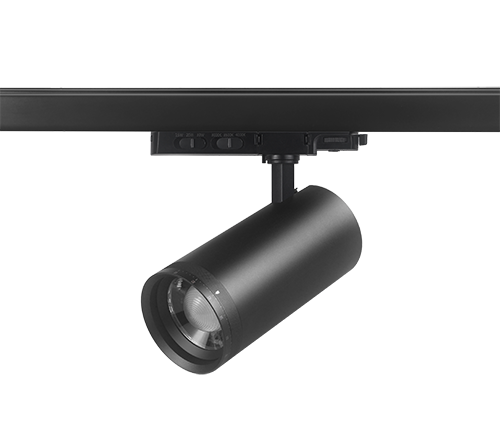
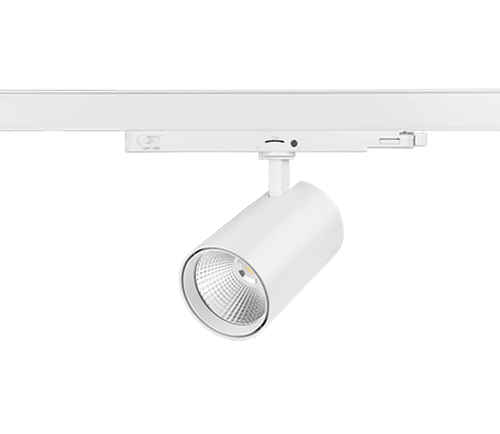
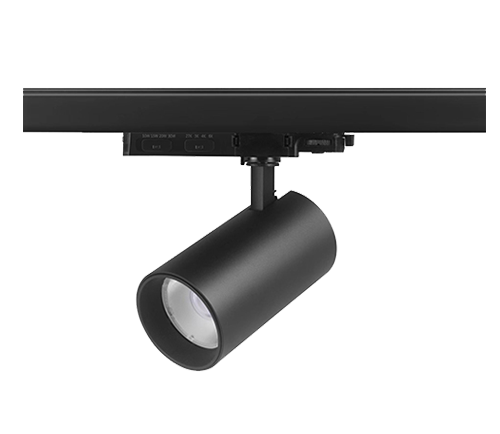
In 2026, the modern office is no longer just a place to work; it is a dynamic environment designed to foster creativity, wellness, and peak productivity. As companies move away from the sterile, flickering fluorescent tubes of the past, Commercial LED CCT Track Lighting has emerged as the premier choice for office renovations.
This article provides an in-depth cost-benefit analysis of switching to CCT (Correlated Color Temperature) track light, exploring how this "Tunable CCT" technology impacts a company's bottom line, employee retention, and long-term operational sustainability.

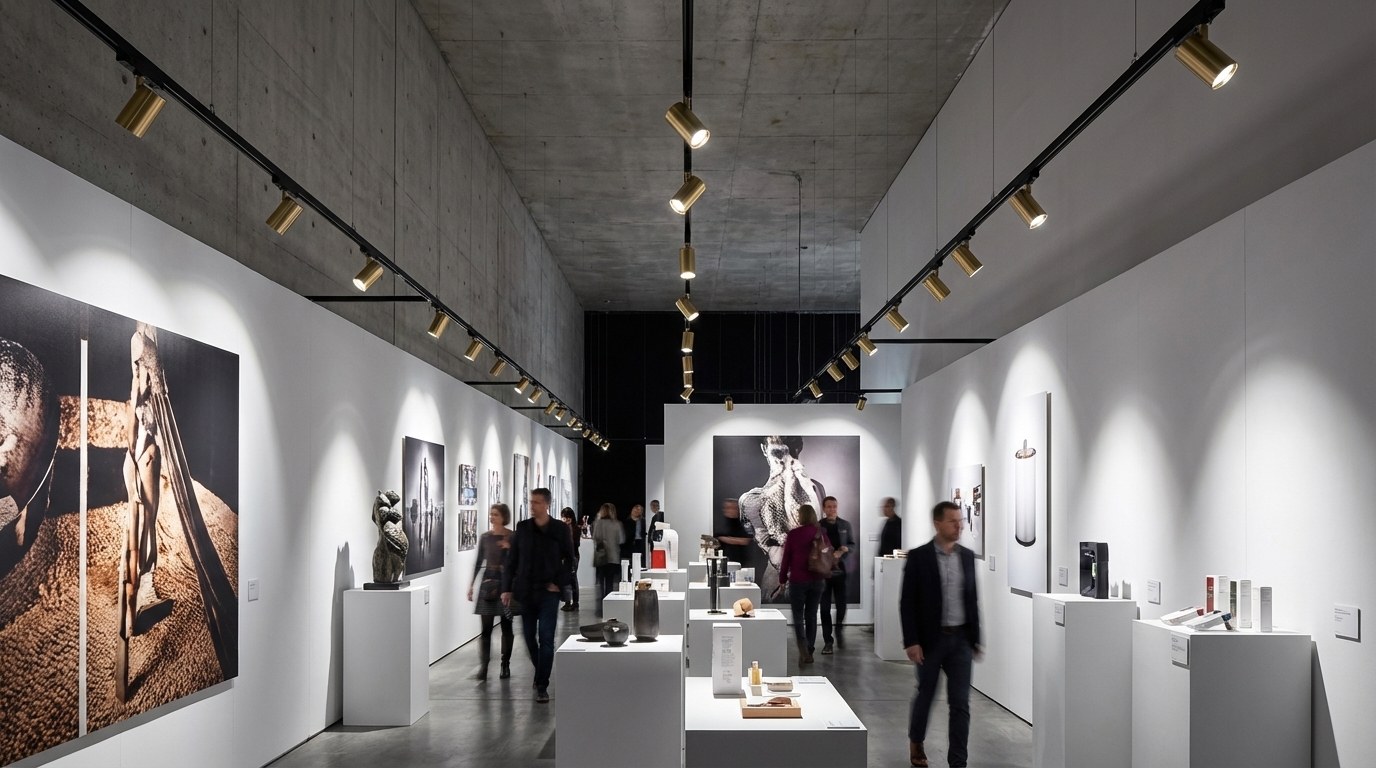
Historically, track lighting was reserved for art galleries and high-end retail. However, the rise of "Industrial Chic" and "Open Ceiling" office designs has pushed track systems into the corporate mainstream.
Unlike recessed troffers which are fixed in a grid, track lighting offers modularity. In an agile workspace where desks move and collaborative zones shift, track lights allow you to reposition light sources without rewiring the ceiling.
CCT (Correlated Color Temperature) refers to the "warmth" or "coolness" of light, measured in Kelvin (K). Modern CCT track lights allow users to toggle between:
3000K (Warm White): Best for breakrooms and lounge areas to promote relaxation.
4000K (Neutral White): The standard for focused desk work and general office tasks.
5000K (Cool Daylight): Ideal for high-detail tasks, labs, or boosting alertness during the mid-afternoon slump.
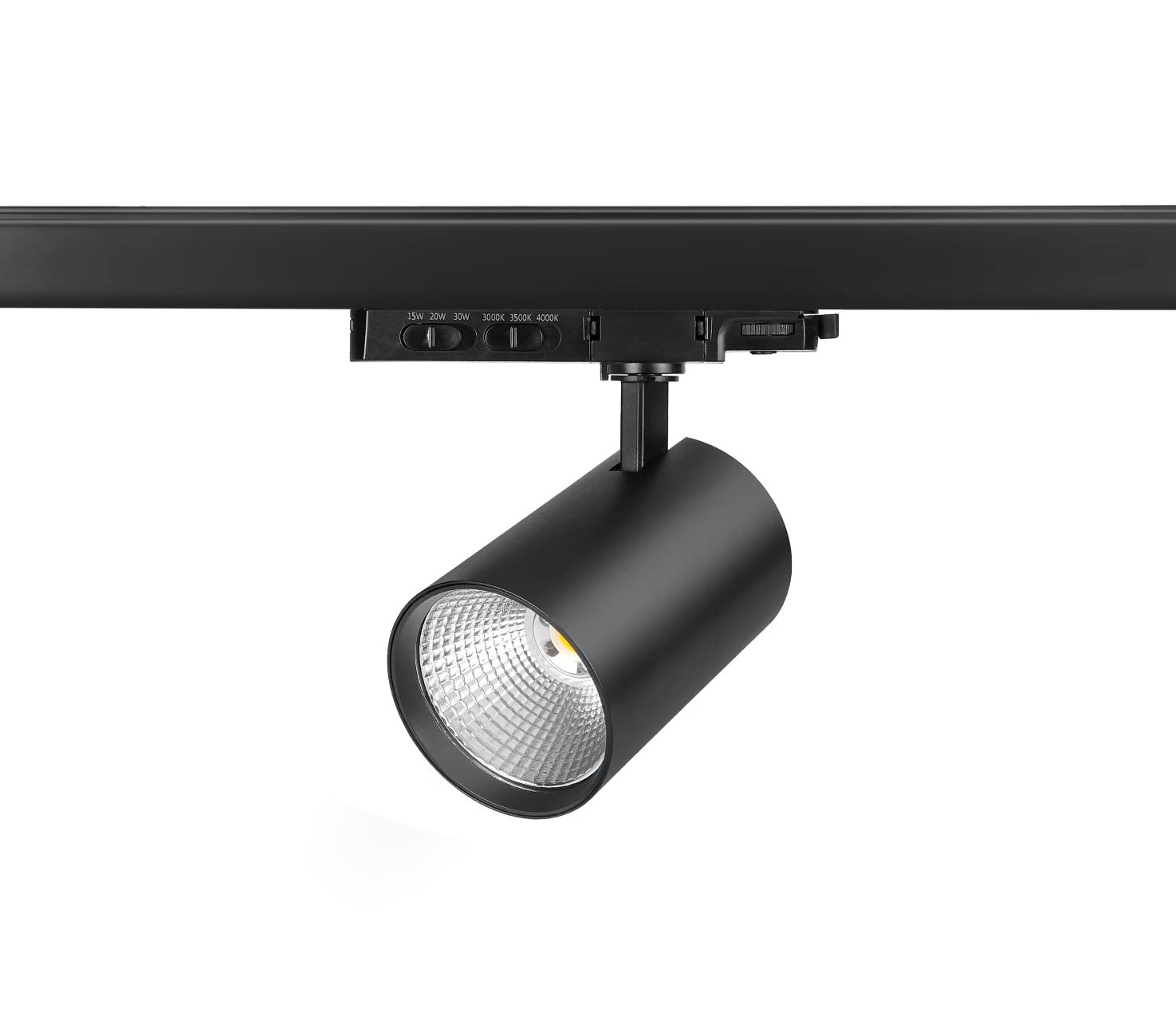
Which means that the wattages of this CCT track light can be switchable bewteen:
15W: Ideal for breakrooms and the rest areas
20W: Best for the focused desk work ot the offices;
30W: More lighter, it's a good choice for high-detail task.
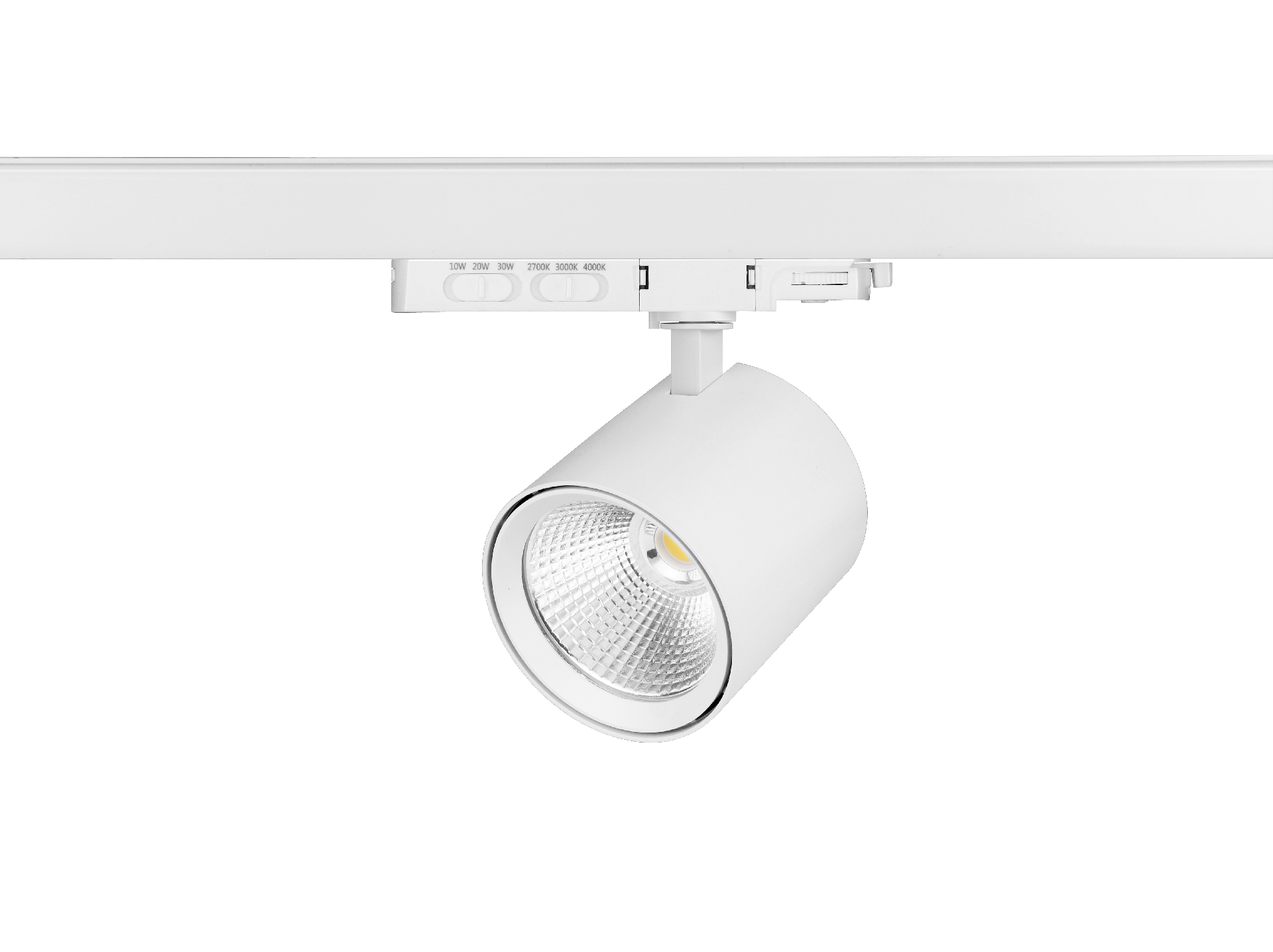
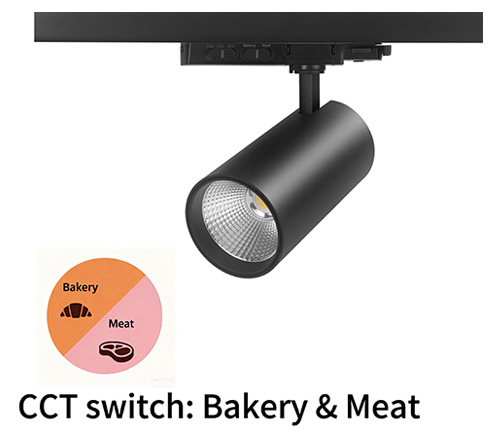
With all the functions integrated into one light, there's only one thiing the users need to do is to switch the bottom on the track adapter to change the POWER and color temp.
When evaluating an office renovation, the "Benefit" side of the equation is often split into direct energy savings and indirect productivity gains.
LED technology is inherently efficient, but Commercial LED Track Lights take it further. By utilizing high-efficacy chips (often exceeding 100lm/W), these fixtures reduce lighting-related energy consumption by 60% to 80% compared to traditional T12 or T8 fluorescent systems.
For a 10,000 sq. ft. office, switching from fluorescent to LED CCT track lights typically results in a payback period of 14 to 22 months, depending on local utility rates and hours of operation.
Traditional lighting generates significant heat. In a large office, the "heat gain" from old lighting forces the HVAC system to work harder. LED CCT track lights run cool, indirectly lowering cooling costs by an additional 5-10% during summer months.
Chose this CCT track light to decorate your office is a best choice. With this 3POWER 3CCT adjustable track light, it can achieve your ideal effects with it's unique functions.
The most significant "hidden" benefit of CCT track lights is their impact on the human circadian rhythm.
Research in 2025 and 2026 has solidified the link between light color and cortisol levels.
Morning Focus: Using a 5000K setting in the morning suppresses melatonin and boosts alertness.
Afternoon Comfort: Shifting to 3500K in the late afternoon helps employees transition toward their evening rhythm, reducing "office burnout" and eye strain.
In a competitive job market, the physical environment matters. An office illuminated with high-CRI (Color Rendering Index) track lighting looks more vibrant and modern, which can be a deciding factor for top talent choosing between employers.
When sourcing fixtures for a commercial renovation, procurement teams must look beyond "price per unit." The following table outlines the professional standards for a high-quality Commercial CCT Track Light.
Product Specification Table
| Feature | Standard Requirement | Why It Matters |
| Input Voltage | AC 220-240V | Universal compatibility for industrial/commercial grids. |
| CCT Range | 3CCT (3000K/4000K/5000K) | Flexibility to change room function without changing bulbs. |
| CRI (Color Rendering) | 90+ Ra | Ensures skin tones and branding colors look natural. |
| Luminous Efficacy | >100 lm/W | Higher efficiency equals lower monthly bills. |
| Beam Angle | 15°, 24°, 36°, or 60° | Allows for both "Accent" and "Task" lighting. |
| Dimming Protocol | TRIAC or 0-10V | Essential for integration with smart office sensors. |
| Lifespan (L70) | 50,000+ Hours | Minimizes maintenance/ladder time in busy offices. |
| Track Compatibility | H-Type, J-Type, or L-Type | Ensures the heads fit your existing or new rails. |
Measure current foot-candle levels at desk height. Identify "dead zones" where lighting is insufficient.
In open-plan offices, run tracks parallel to window lines. This allows you to use "Daylight Harvesting" sensors that dim the track lights when natural sunlight is abundant.
Assign specific color temperatures to different zones:
Conference Rooms: 4000K for clarity during presentations.
Cafeterias: 3000K to create a "third-space" cafe feel.
Open Offices: Tunable CCT that follows the sun’s progression.
With all those done, this CCT track light will bring you an influencial effect.
One of the most overlooked costs in office management is "Re-lamping." Standard bulbs fail frequently. A high-quality Commercial LED Track Light is designed as a sealed unit with advanced heat sinks.
In a typical 40-hour work week, these lights can last over 20 years. This eliminates the labor cost of hiring contractors to change bulbs in high ceilings, providing a massive long-term "hidden" saving.
A: Not at all. While old-style track lights were for accenting, modern Commercial LED CCT Track Heads can output 2000+ lumens each. When spaced correctly, they provide excellent ambient light that meets OSHA requirements for office safety and comfort.
A: Usually, yes. Most commercial tracks follow the "Big Three" standards: H-Type (3-wire), J-Type (2-wire), or L-Type. Ensure your new CCT fixtures match your existing rail type before purchasing.
A: No, this CCT track light is to be adjusted my manually not remotely.
A: Switching to LED CCT track lights contributes significantly to LEED and WELL Building Standard points, particularly in the categories of "Energy & Atmosphere" and "Lighting Comfort."
A: The upfront hardware cost of track lighting is slightly higher than basic LED flat panels. However, when you factor in the reduced installation labor (fewer ceiling cuts) and the increased property value of a designer office, the ROI is significantly higher.
The transition to Commercial LED CCT Track Lighting represents a shift from "utility lighting" to "strategic lighting." By investing in the ability to tune color temperatures and reposition light sources, office managers are not just saving on electricity—they are investing in the health, happiness, and output of their workforce. For any 2026 office renovation, the cost-benefit analysis is clear: CCT track lighting is the future of the modern workspace.