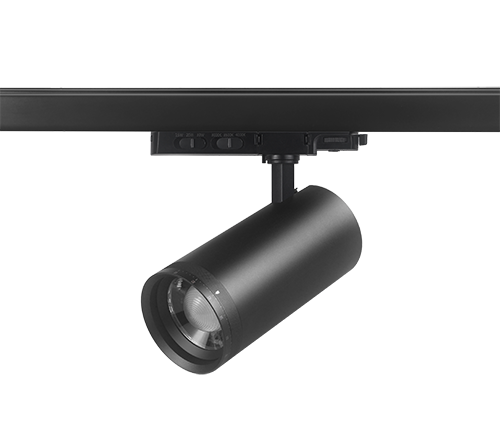
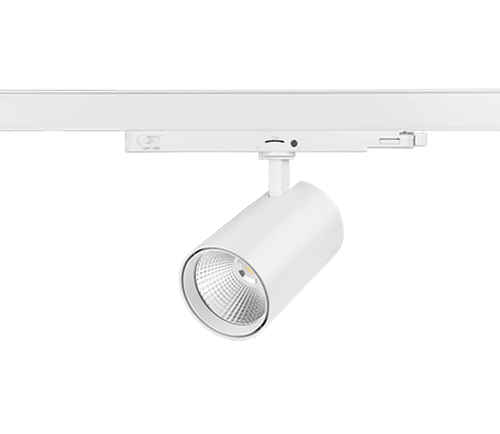
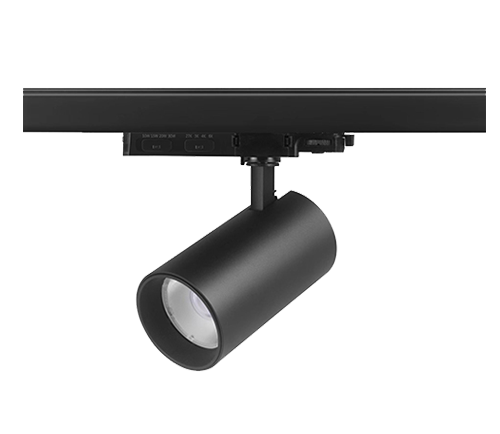
DALI2 Dimming Track Light & Triac Dimmable Track Light: Which Is the Best Lighting Solution in 2026?
Among the most popular options for modern commercial lighting spaces are DALI2 dimming track lights and Triac dimmable track lights. Both technologies offer precise brightness control and energy efficiency, but they differ in capabilities, flexibility, and integration with smart systems.

In this comprehensive guide, we will explore everything you need to know about DALI2 and Triac dimmable track lights in 2026, including their technical features, applications, comparisons, and guidance to help distributors, designers, and business owners make the right lighting decisions.
1. Track Lighting and Dimming Technologies
1.1 What Is Track Lighting?
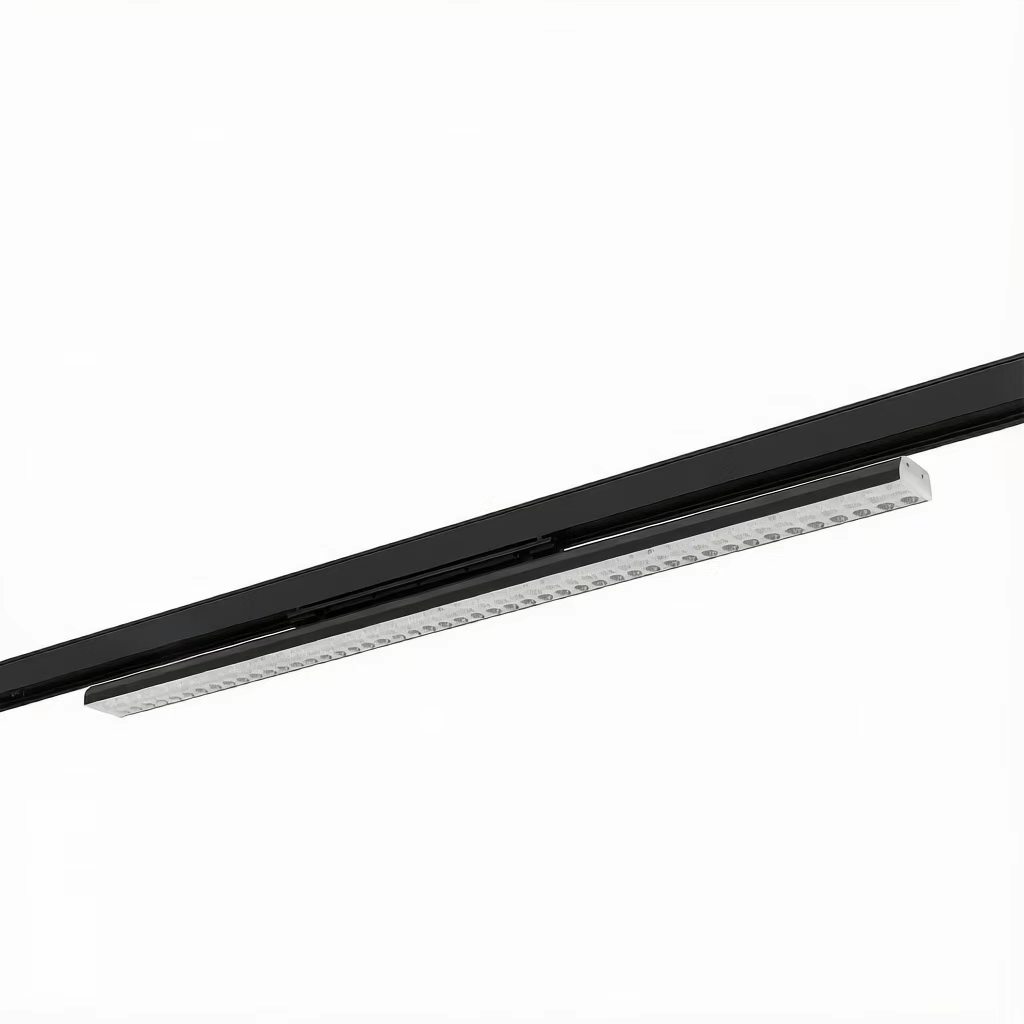
Track lighting is a versatile lighting solution in which fixtures are mounted along a continuous track, allowing easy repositioning and direction adjustment. Track lights are widely used in retail stores, galleries, museums, showrooms, and hospitality spaces due to their flexibility in highlighting products, artwork, and architectural features.
The benefits of CCT track lights include:
Directional illumination: Target specific areas or products.
Modular design: Add or reposition lights without rewiring.
Aesthetic integration: Sleek profiles suitable for modern interiors decoration.
1.2 Why Dimming Matters
Dimming is more than adjusting brightness; it is a crucial aspect of lighting design that impacts mood, energy consumption, and product presentation. In commercial environments, dimmable CCT lights offer:
Energy efficiency: Lower power consumption during low-demand periods.
Customer experience: Create the right ambiance for different times of the day.
Product visibility: Highlight merchandise with adjustable brightness in the stores and shops.
Two leading dimming technologies in 2026 are DALI2 and Triac dimming.
2.1 What Is DALI2?
DALI2 is a digital protocol for lighting control. The DALI2 improves interoperability, reliability, and flexibility. DALI2 CCT track lights are designed to integrate seamlessly with modern smart lighting systems.
The features of DALI2 track lights:
Digital dimming: Smooth, flicker-free brightness adjustments.
Individual addressing: Control every single fixture separately.
Scene setting: Pre-program multiple lighting scenarios.
Energy monitoring: Track energy usage for sustainability reporting.
Integration with smart systems: Fit with building management systems.
2.2 Advantages of DALI2 CCT Track Lights
Precision Control: Dali2 dimming allows users dimming, from 0% to 100%.
Flexible Networked Lighting: Easily manage large installations with multiple zones.
Scalability: Add or remove lights without major rewiring & change products.
Future-Proof: DALI2 ensures compatibility with evolving smart building solutions.
Energy Savings: Optimize power usage based on occupancy, daylight, and schedule.
Retail Chains: Manage lighting across multiple stores with centralized control.
Museums and Galleries: Adjust lighting for exhibitions without affecting other lighting zones.
Hotels and Restaurants: Create mood lighting for different times of the day.
Corporate Offices: Integrate with smart building systems for energy efficiency comfortable enviorment for workers.
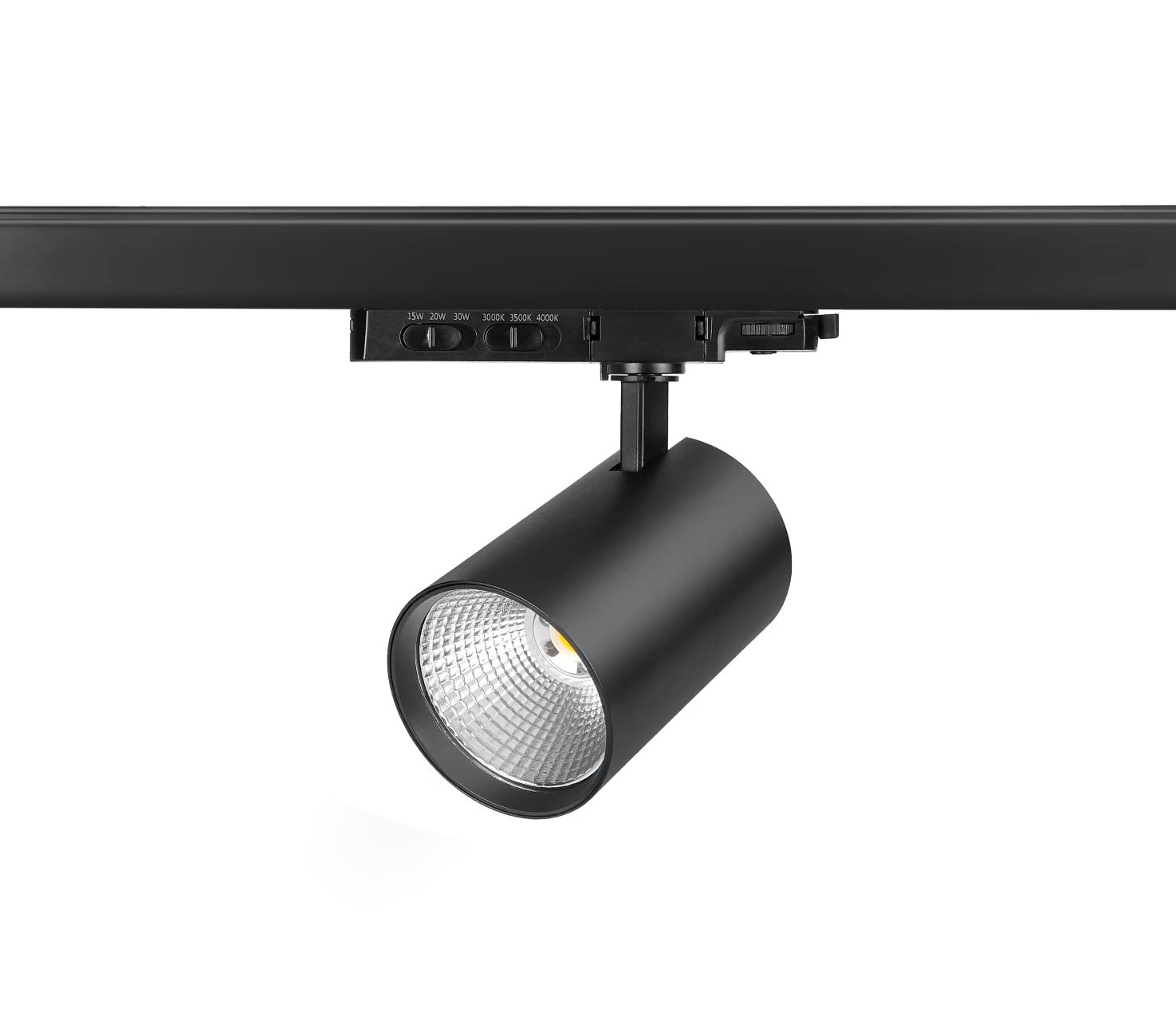
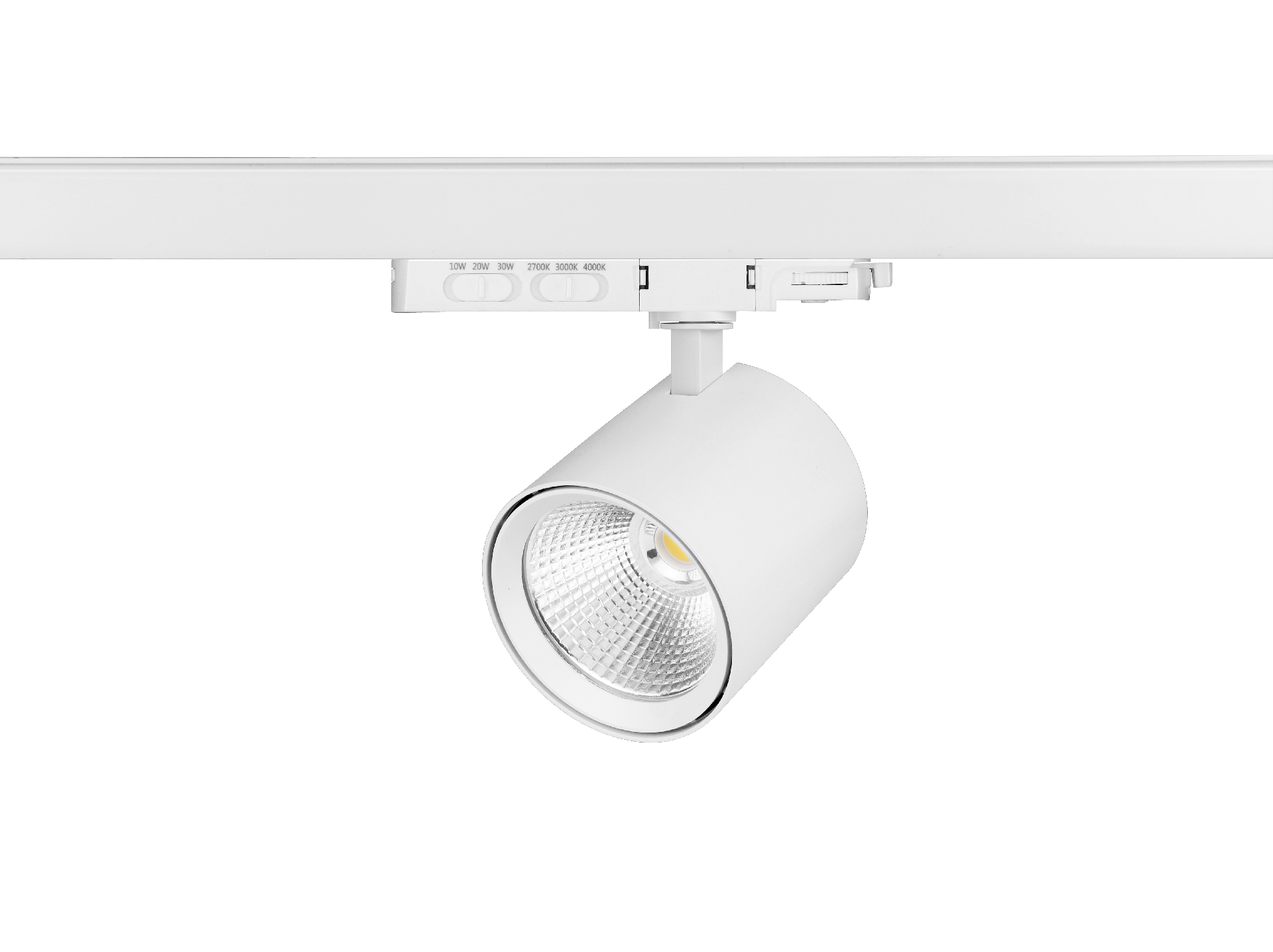
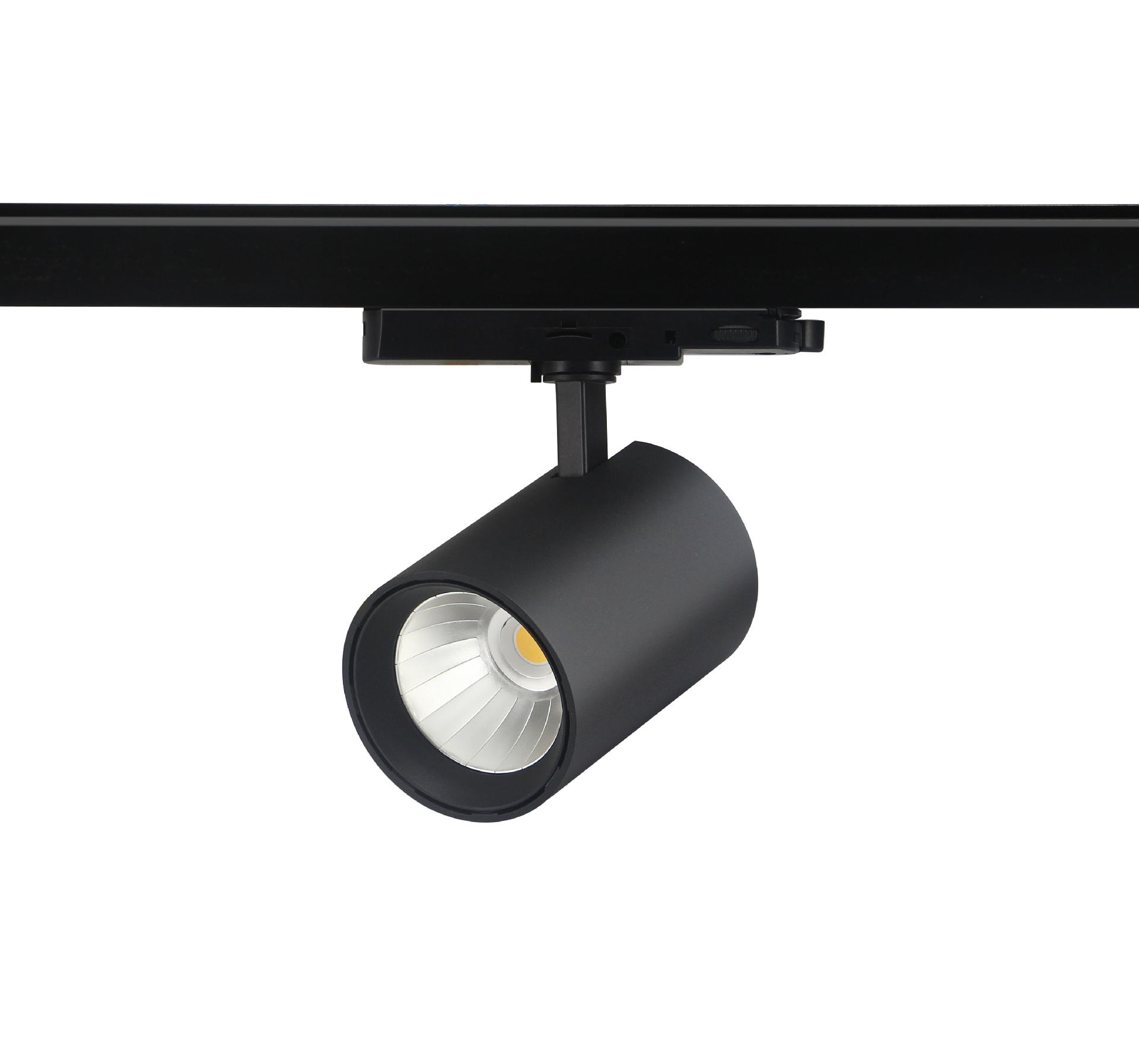
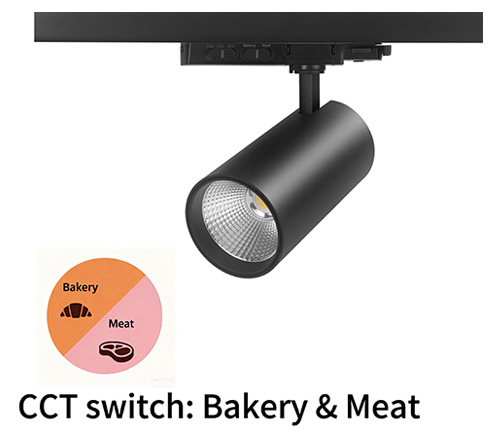
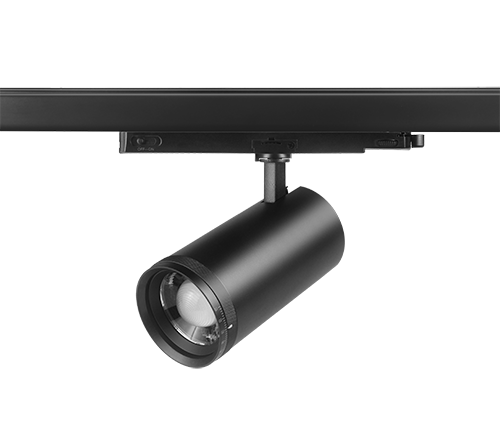
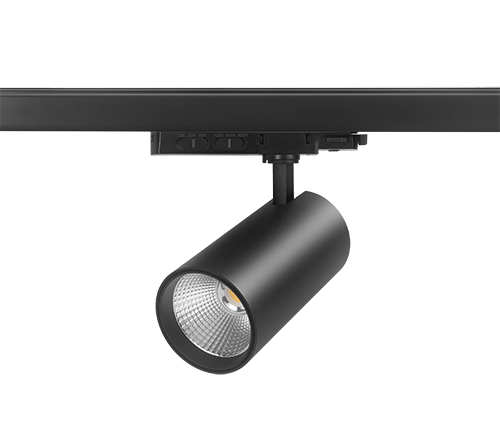
| Features | Triac dimmable track light | Dali2 dimming track light |
| Wattage | 15W-20W-30W 3POWER switchable | 30W |
| CCT | 2700K-3000K-4000K 3CCT switchable | 3000K-6000K(DT8) |
Efficiency
| 90-100LM/W | 2400LM
|
Power Supply
| Pustlux intrack driver | Allooking DALI DIM intrack driver |
Voltage
| AC220-240V | AC220-240V |
Beam Angle
| 15D, 24D, 36D, 60D | 15D, 24D, 36D, 60D |
Light source
| Bridgelux COB | Bridgelux COB |
| CRI | Ra90 | Ra90 |
Track System
| 3 phase 4 wire system | 3 phase 6 wire system
|
3.1 What Is Triac Dimming?
Triac dimming is a dimming method widely used in residential and commercial lighting spaces. It works by controlling the voltage delivered to the lighting sources, reducing brightness. Triac dimmable CCT track lights are popular for their simplicity and affordability.
Here're the key features of Triac dimming track light:
Simulation dimming: Adjust brightness using standard dimmer switches.
Compatibility: Works with traditional AC wiring. No need to replace others.
Simplicity: Easy to install without complex digital controllers.
Lower Cost: Triac dimming track lights are generally more affordable than DALI2 Dimming equivalents.
Easy Installation: No need for digital controllers or specialized wiring.
Basic Dimming: Suitable for small to medium-scale installations.
Reliable Performance: Simple design reduces potential points of failure.
3.3 Ideal Applications for Triac Dimmable CCT Track Lights in lighting projects
Small Retail Stores: Cost-effective dimming for focused product lighting.
Boutiques and Cafés: Adjust ambiance without complex control systems.
Small Offices: Improve visual comfort while reducing energy costs.
Residential Showrooms: Highlight key areas or products economically.
4. DALI2 dimming & Triac Dimmable CCT Track Lights
| Feature | DALI2 Dimming Track Light | Triac Dimmable Track Light |
|---|
| Dimming Type | Digital (0.1%–100%) | Triac (0-100%) |
| Control | Individual addressing, central control, scene setting | Manual dimmer switch |
| Scalability | High, networked systems | Limited, suitable for small setups |
| Installation | Requires DALI controller and wiring | Standard AC wiring, plug-and-play |
| Cost | Higher upfront cost | Lower upfront cost |
| Energy Efficiency | Optimized through sensors and scheduling | Less efficient control |
| Flexibility | Multiple zones, programmable | Single zone, simple dimming |
| Maintenance | Smart monitoring, predictive alerts | Minimal, manual adjustments |
| Future-Proof | Fully compatible with smart building trends | Limited scalability |
5. Applications: Choosing the Right Lighting Solution in the lighting projects
5.1 Large-Scale Retail Chains
Recommendation: DALI2 CCT track lights
Benefit: Centralized control across hundreds of fixtures.
Advantage: Scene programming for seasonal campaigns.
Outcome: Reduce operational costs and improve store ambiance.
5.2 Small Boutique Stores
Recommendation: Triac dimmable CCT track lights
Benefit: Low installation cost and easy operation.
Advantage: Flexible brightness for product display.
Outcome: Maintain aesthetics without heavy investment.
5.3 Museums and Art Galleries
Recommendation: DALI2 CCT track lights
Benefit: Accurate color rendering, precise dimming.
Advantage: Adjustable scenes for different exhibitions.
Outcome: Protect artifacts while enhancing visitor experience.
5.4 Restaurants and Hospitality Spaces
Recommendation: DALI2 or Triac 30wW CCT track light depending on budget
6. Factors to Consider When Choosing CCT Track Lights in 2026
Project Size: Large, complex projects benefit from DALI2; small projects can use Triac.
Budget: Triac is more cost-effective upfront; DALI2 may save operational costs long-term.
Integration: Consider existing building management systems.
Control Requirements: Do you need zone-based, scene-based control or simple on/off dimming?
Energy Efficiency Goals: DALI2 offers advanced energy-saving capabilities.
Future Expansion: Consider scalability for future lighting upgrades.
7. Technical Innovations in 2026 CCT Track Lighting
IoT Integration: DALI2 lights can connect to IoT sensors for occupancy, daylight harvesting, and analytics.
Adaptive Lighting: Automatic adjustment based on natural light and usage patterns.
Enhanced Color Rendering: CRI>90 for retail and gallery spaces, ensuring products and artwork appear true-to-life.
8. Installation and Maintenance Tips
8.1 DALI2 Track Lights
Install DALI controller with proper addressing for each fixture.
Program lighting scenes according to space requirements.
Test network communication and sensors.
Regularly monitor system health via smart apps.
8.2 Triac Dimmable CCT Track Lights
Connect to standard dimmer switches.
Ensure dimmer compatibility with LED lighting driver.
Avoid excessive load per dimmer circuit.
Periodic check of dimmer and wiring for safety.
9. Cost & ROI Analysis
While Triac dimmable track lights offer lower upfront costs, DALI2 track lights provide significant long-term ROI through:
Reduced energy consumption
Lower maintenance
Enhanced lighting control for increased sales in retail environments
Integration with smart building systems for overall operational efficiency
Investors and business owners should consider both initial investment and operational savings.
10. Frequently Asked Questions About the Dali2 dimming & Triac dimming CCT track lights
Q1: Can DALI2 and Triac track lights coexist in the same space?
Yes, but they must be controlled separately. DALI2 requires a digital controller; Triac works with dimmers.
Q2: Are DALI2 track lights compatible with smartphones?
No, currently, there're no products of ours are compatible with smarthpones.
Q3: Which dimming technology is better for energy savings?
That's definitly is DALI2. It offers superior energy optimization through advanced sensors and automated control.
Q4: Is Triac dimming compatible with LED track lights?
Yes, but ensure the LED driver is Triac-compatible to avoid flickering or limited dimming range.
Q5: How long do DALI2 and Triac dimmable track lights last?
Both use LED technology with typical lifespans of 50,000 hours or more, depending on usage and heat management.
11. Why Lighting Project Businesses Should Choose the Right Dimming Technology
Choosing the right CCT track light dimming solution is not only a technical decision but a business strategy. Proper lighting affects customers experience, employee productivity, energy costs, and brand image & reputation. By understanding the differences between DALI2 and Triac dimmable track lights, businesses can select the most suitable technology for their specific lighting needs in 2026.
12. Conclusion: DALI2 vs Triac for lighting solutions in 2026
In 2026, the decision between DALI2 and Triac dimmable track lights depends on:
Scale: Large projects favor DALI2; small projects may use Triac.
Control: DALI2 allows advanced scene and zone control; Triac is manual.
Budget: Triac is cost-effective upfront; DALI2 offers long-term operational savings.
Future Expansion: DALI2 supports smart building integration and scalability.
For businesses seeking precision, flexibility, and future-ready lighting, DALI2 dimming track lights are the optimal choice. For smaller setups with budget constraints, Triac dimmable track lights provide a simple and reliable solution.
Ultimately, in 2026, the “best” lighting solution is one that balances cost, control, scalability, and energy efficiency to meet both current lighting needs and future growth.
 Tel.+86 15013617190
 Email:info@pustlux.com