Industry news

Industry news

How to Choose the Perfect LED Track Light for Your Project: The Ultimate Guide
2025-11-26 10:08:27


LED track light illuminates spaces by combining flexibility, efficiency, and modern aesthetics. For architects, designers, and project managers, selecting the right system is critical for functionality and visual impact.

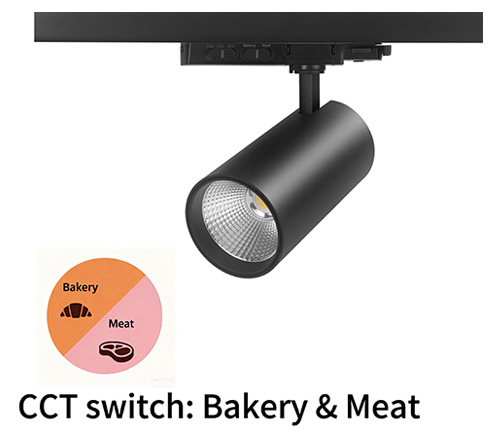
Here, let's have a talk about how to help you save costs and reduce stocks by choosing right CCT track lights.

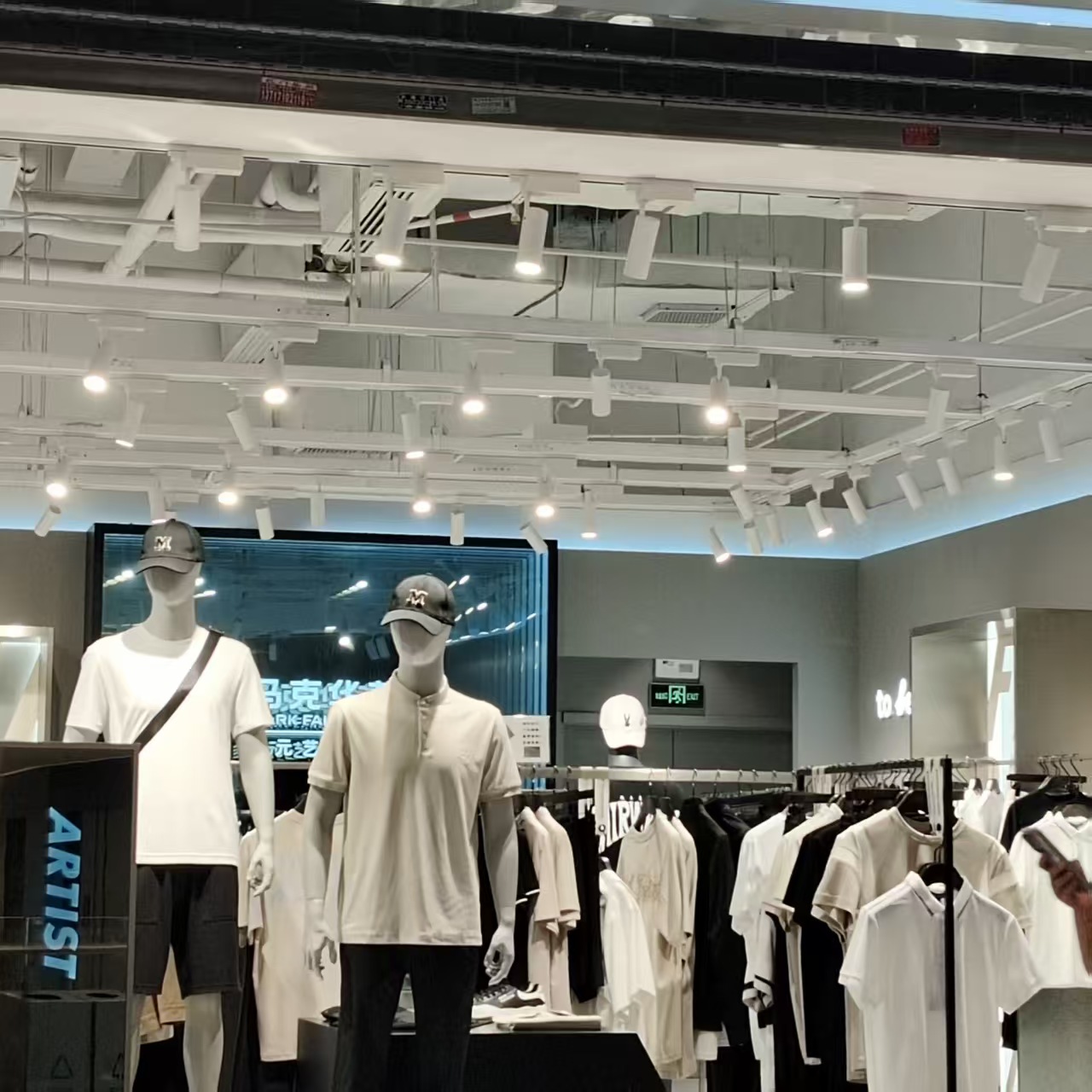
服装店.jpg

1. Understanding LED Track Light Fundamentals

What Makes LED Track Lights Unique?

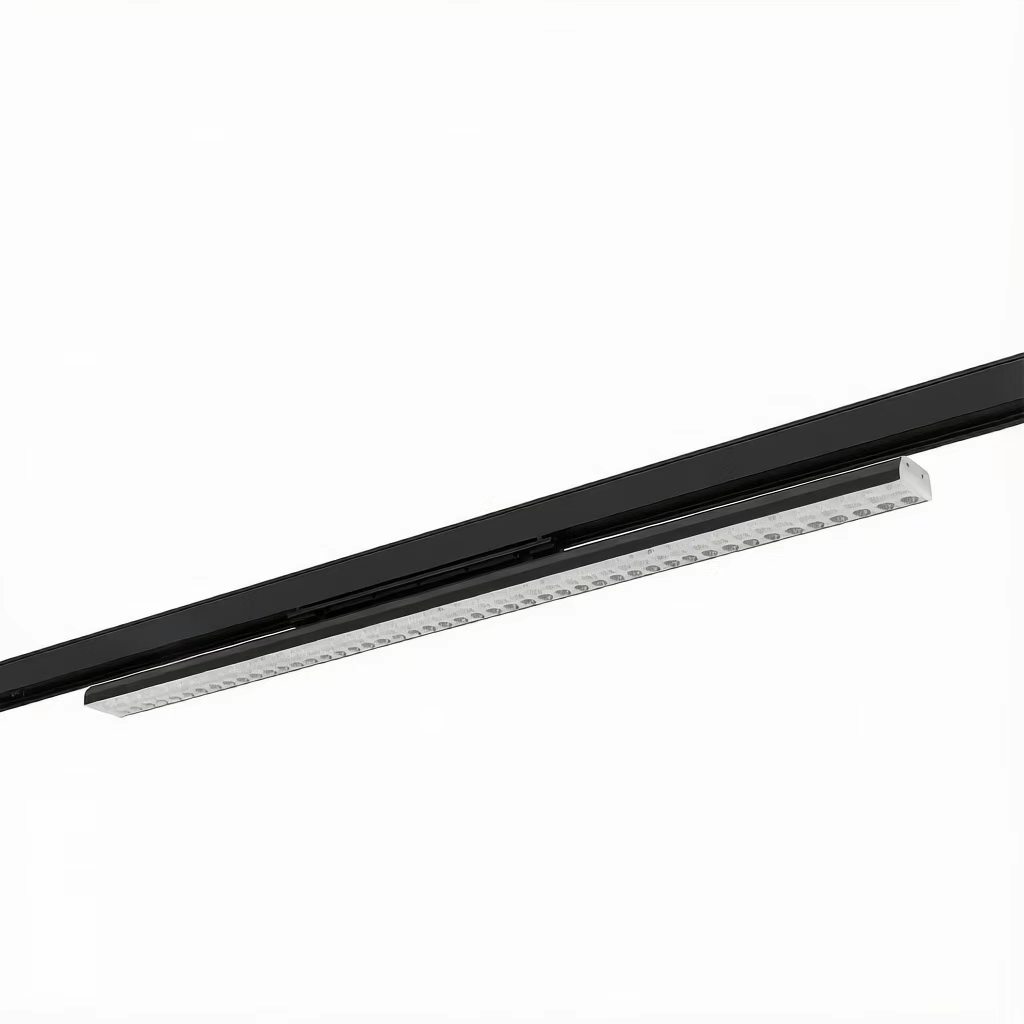
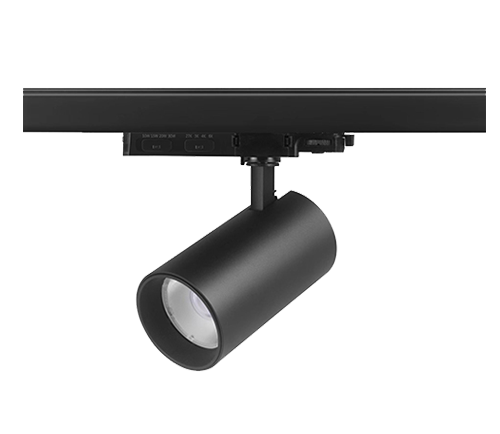
Unlike fixed lighting, track systems feature movable heads on an electrified rail, allowing directional adjustments post-installation. Ideal for galleries, retail stores, kitchens, or offices, they offer:

  • Adaptability: Reposition lights as displays or layouts change.

  • Energy Savings: LEDs consume 75% less energy than halogens.

  • Longevity: Quality LEDs last 50,000+ hours (vs. 1,000–2,000 for incandescents).

  • Focused Illumination: Highlight artworks, merchandise, or architectural details with precision.

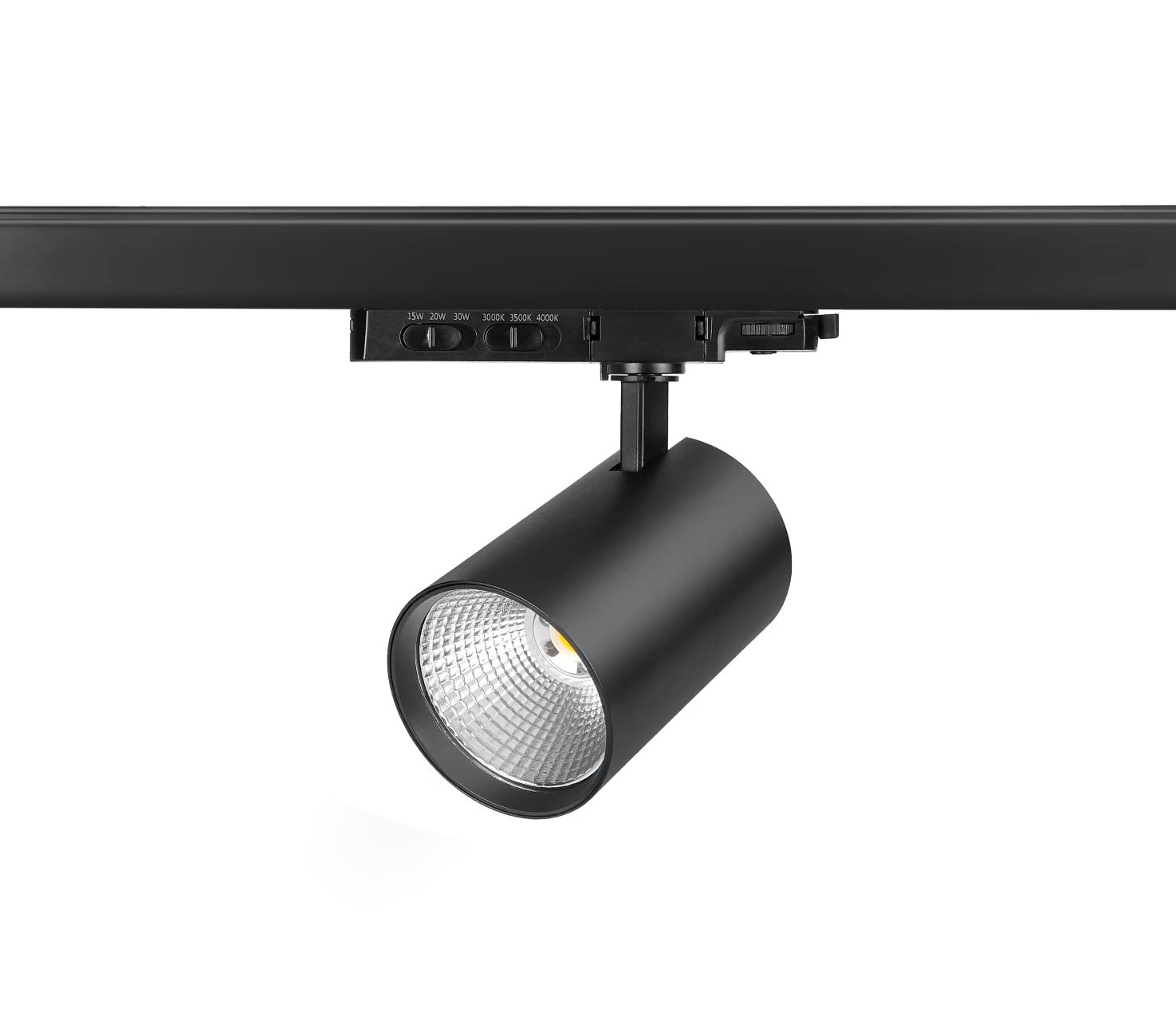
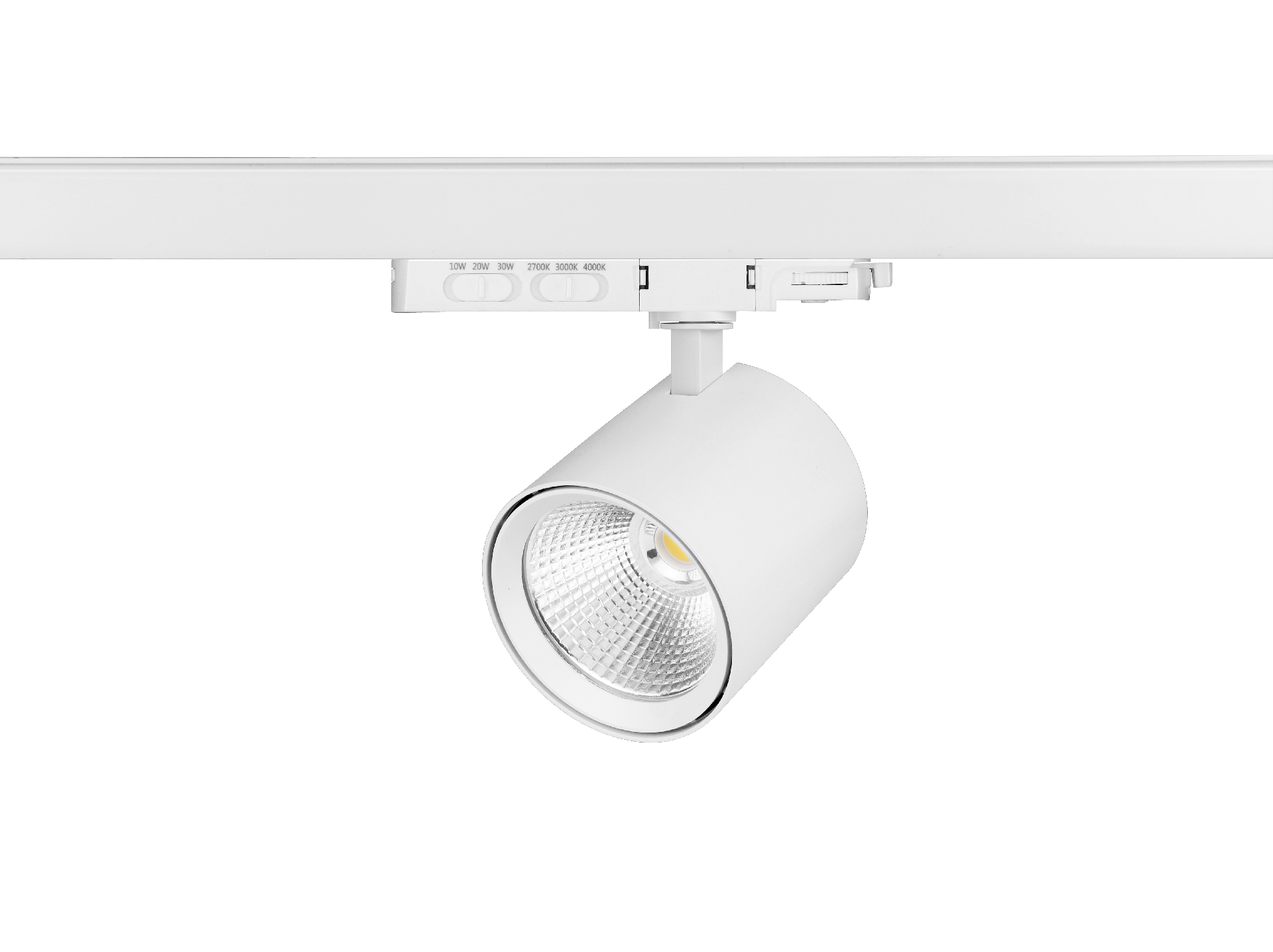
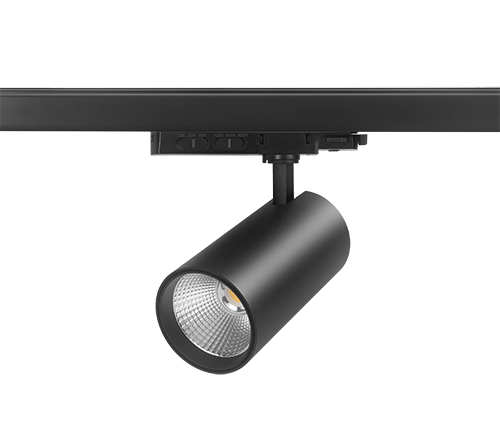
  • CCT adjustable: This LED track light allows the end users to change the color temperaturs in the wide range of: 2700K-3000K-4000K/3000K-3500K-4000K/3000K-4000K-6000K changeable

  • POWER switchable: The CCT track light also can be change the wattage in big ranges: 10W-20W-30W/15W-20W-30W/20W-25W-30W adjustable randomly.

Tips: This CCT track light is integrated all functions into one light, like the POWER & CCT switchable, triac dimmable

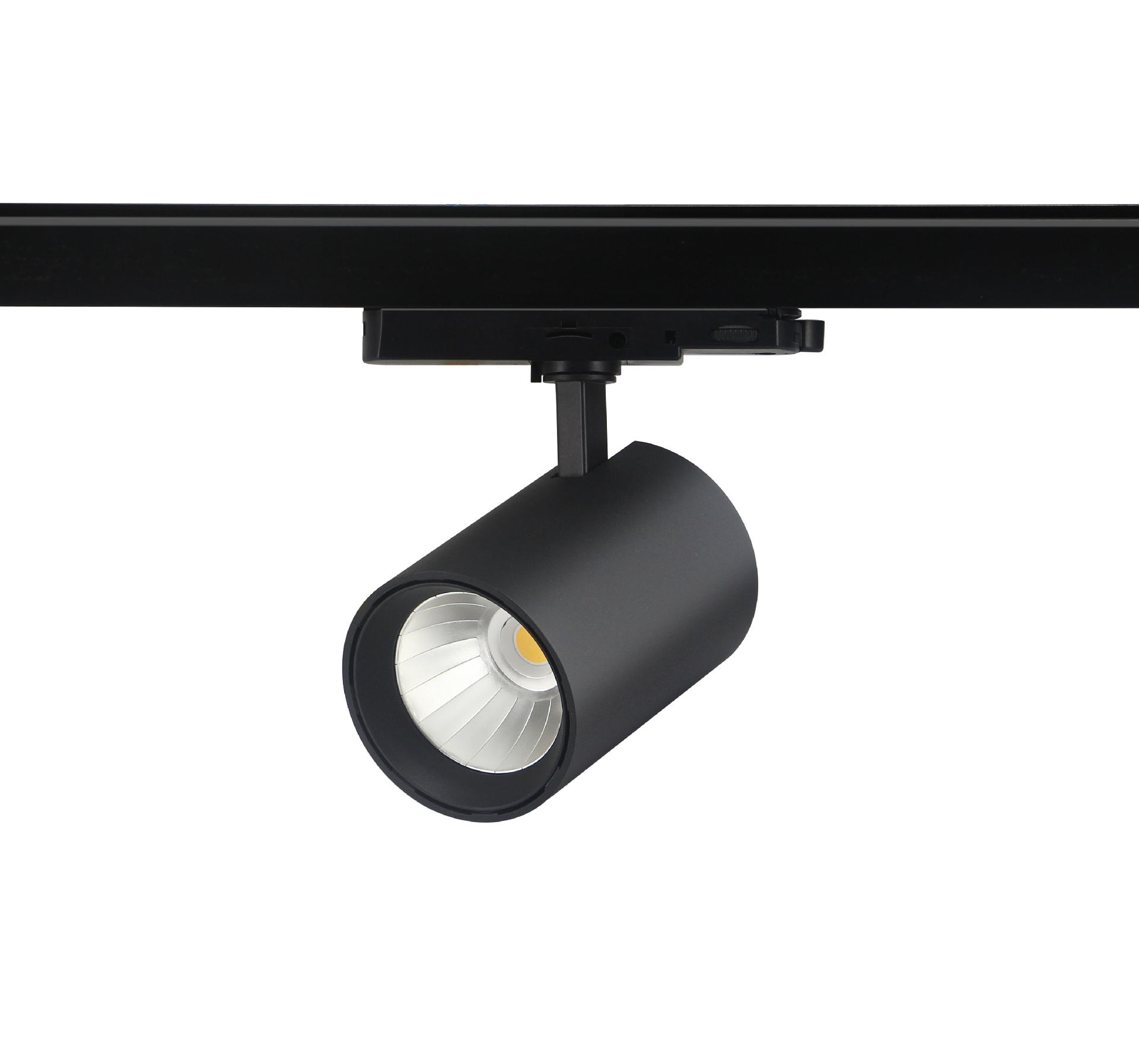
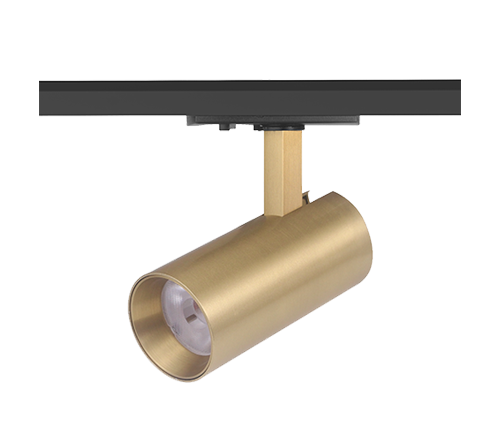
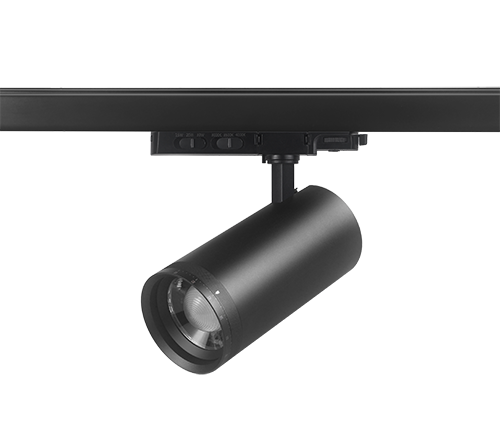
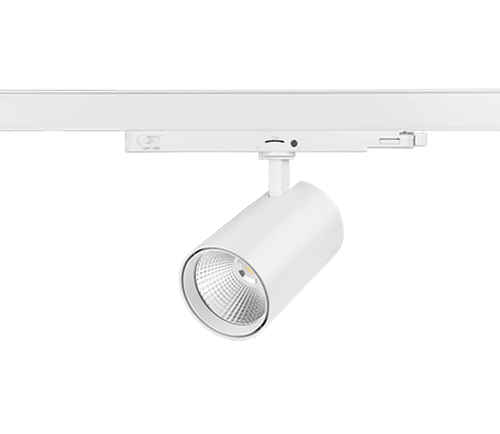
With this CCT track light, the only thing you need to do is to choose the housing color you want.

Core Components:

  • Track: The power-carrying rail (types: H/J/L – see Section 3).

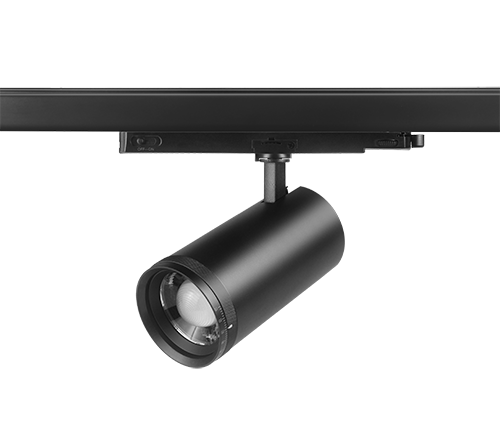
  • Heads/Spotlights: Attach to the track (fixed, gimbal, or pendant styles).

  • Driver/Power Supply: Converts AC to low-voltage DC (often integrated).

2. Key Selection Criteria for Project Success

A. Project Requirements & Environment

Space Function:

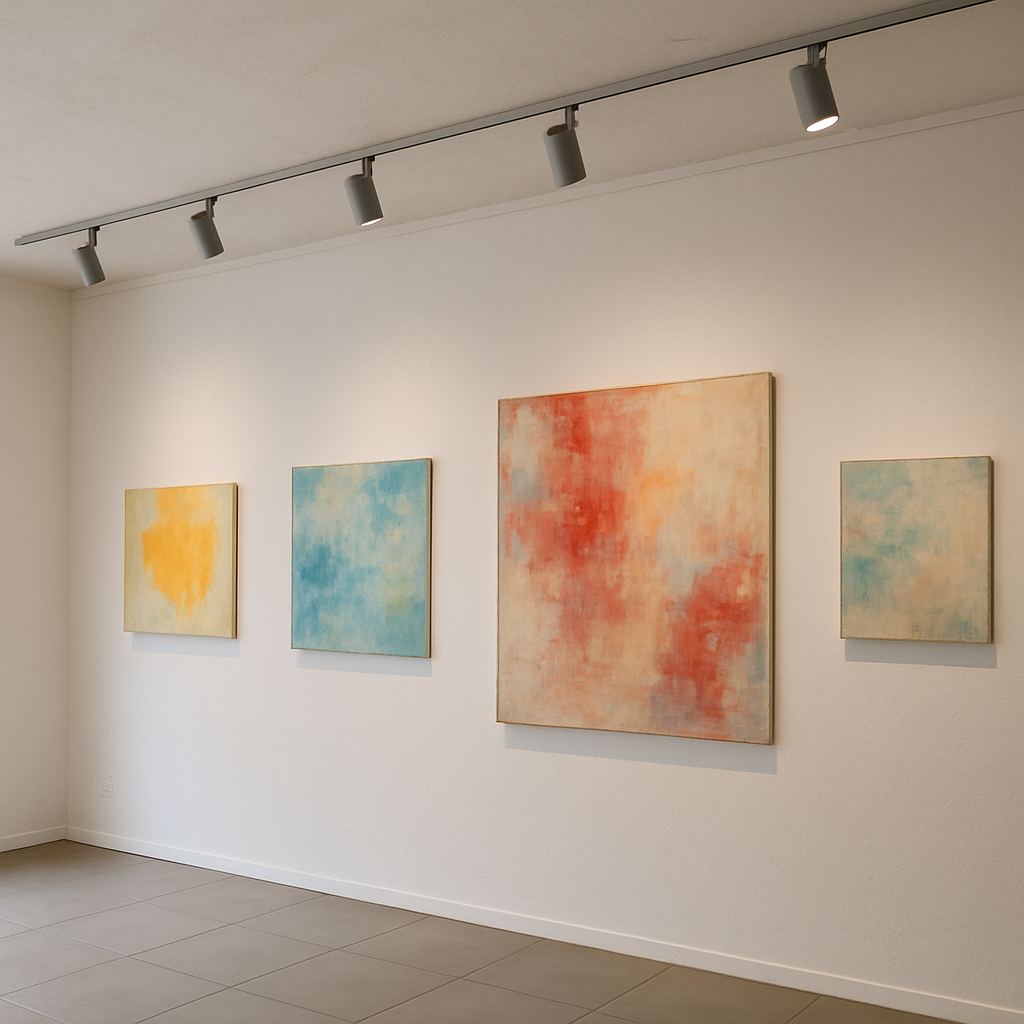
  • Retail/Galleries: Prioritize high CRI (>90) and selectable beam angles-15/24/36/60 degree.

  • Offices/Workspaces: Opt for wide, uniform illumination (100°+ beam angle).

  • Outdoor/Humid Areas: Require IP65-rated fixtures (dust/water-resistant).

Ceiling Height:

Tall ceilings (e.g., lobbies) need narrower beams (15°–30°) to concentrate light; standard heights (8–10 ft) suit 40°–60°.

B. Technical Specifications

Brightness (Lumens)

Calculate needs: Total Lumens = Area (sq ft) × Footcandles (target brightness).

E.g., a 200 sq ft retail display @ 50 fc = 10,000 lumens.

Tip: Divide total lumens by fixture count (e.g., 10 heads = 1,000 lm each).

Color Temperature (Kelvin) adjustable by switching the bottom

2700K–3000K: Warm white (cozy restaurants/homes).

3500K–4000K: Neutral white (offices, showrooms).

5000K+: Cool white (hospitals, task lighting).

CRI (Color Rendering Index)

≥90 CRI essential for art galleries, boutiques, or makeup studios to reveal true colors.

Beam Angle

Spot (15°–30°): Accent walls or products.

Flood (40°–60°): General ambient light.

Wide Flood (≥90°): Large-area coverage.

Dimming & Smart Controls

Verify compatibility with existing systems (TRIAC, 0–10V, DALI, or wireless protocols like Zigbee).

Track System Type

Type
VoltageCompatibility
Ideal for
H-type220V-240VUniversally adaptableRenovations, new installs
J-typeLow voltageRequires transformerHomes, small spaces
L-typeLine VoltageRare; brand-specificLegacy systems

Note: Mixing brands or types often risks incompatibility.


C. Quality & Certifications

  • Certifications: Look for CE, and RoHS (non-toxic materials).

  • Warranty: 5+ years indicates manufacturer confidence.

  • Heat Management: Aluminum housings prevent overheating and prolong LED life.

3. Step-by-Step Selection Process

3.1.Audit the Space: Map ceiling height, obstacles (ducts/beams), and focal points.

3.2.Choose Track Type: Match existing systems or select H-type for flexibility.

3.3.Calculate Fixture Count: Space heads 2–4 ft apart; avoid shadows or glare.

3.4.Select Heads: Combine gimbal (adjustable) for accents + fixed for wash lighting.

3.4.Test Samples: Evaluate color consistency and beam spread before bulk purchase.

4. Top 5 Benefits of Optimal LED Track Lighting

  • Energy Efficiency: Cuts electricity bills by 30–50% vs. traditional lights.

  • Cost-Effectiveness: Long lifespan reduces replacement labor/frequency.

  • Design Versatility: Sleek profiles complement minimalist or industrial aesthetics.

  • Sustainability: Mercury-free, recyclable, and lower carbon footprint.

  • Smart Integration: Pair with sensors/motion detectors for automated control.

17下午.png

Frequently Asked Questions (FAQ)

Q1: Can I install LED track lights myself?

While DIY-friendly, complex projects (e.g., high ceilings, new circuits) require an electrician. Ensure wiring complies with local codes.

Q2: Are LED track lights dimmable?

Most are, some of the products are no dim. Before purchasing, please confirm with us whether the products are dimmable.

Q7: Do LEDs overheat in enclosed tracks?

Quality fixtures have thermal protection, but ensure vents aren’t blocked. Avoid >90°F ambient temperatures.

Conclusion

Choosing LED track lights isn’t just about lumens—it’s about synergy between technical specs, environmental needs, and design vision.

Prioritize certifications, CRI, and system compatibility to avoid costly revisions. By following this guide, your project will achieve optimal illumination that adapts, endures, and impresses.


skype

Contact