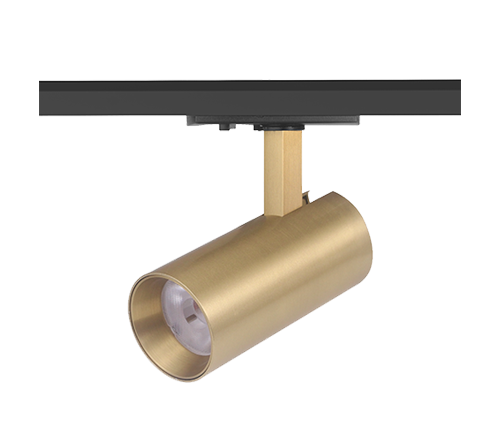
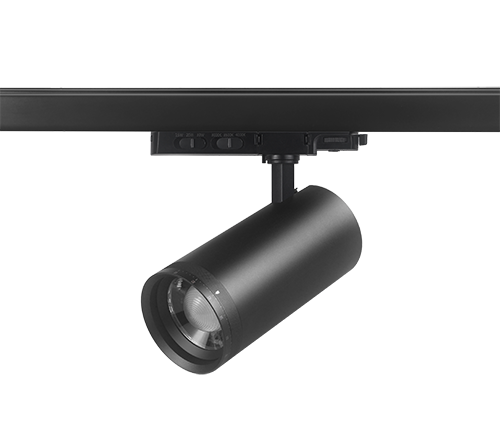
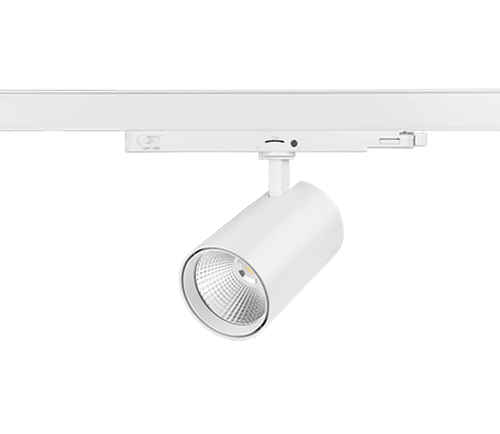
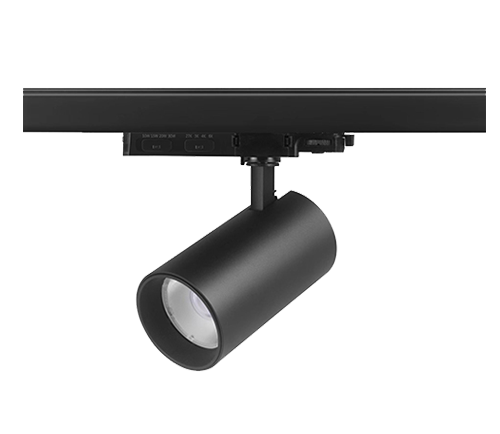
Track lighting has upgraded modern interiors, offering unparalleled flexibility for homes, retail, and commercial spaces. At the heart of this innovation are 3CCT dimmable track lights and traditional CCT track lights, which control not just brightness but also the ambiance of a room.
This guide dives deep into dimmable 3CCT track lights—exploring types, dimming methods, and applications—and compares them critically with single CCT options. Whether you’re designing a cozy cafe, an art gallery, or a functional office, this article helps you choose the optimal solution.
What is 3CCT?
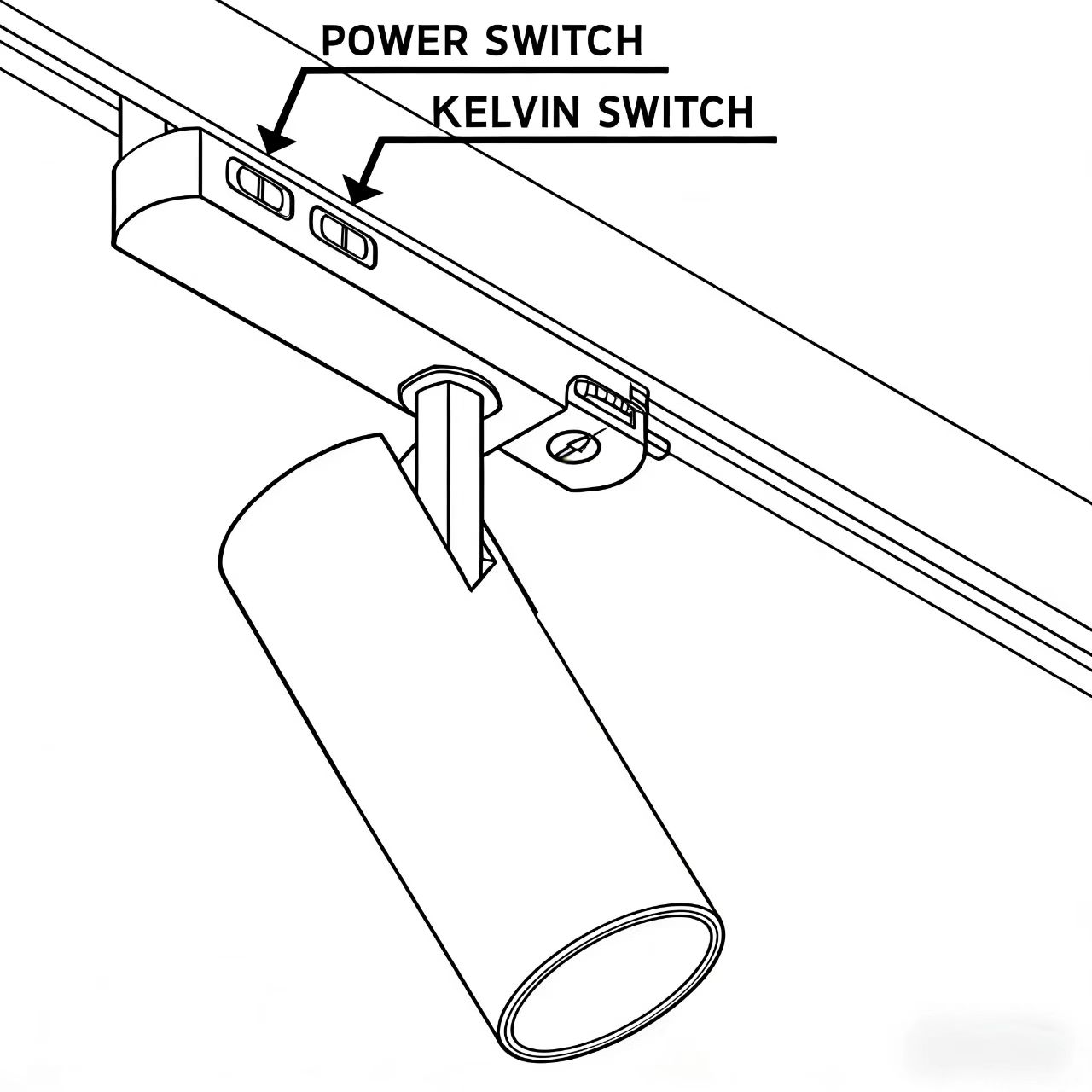
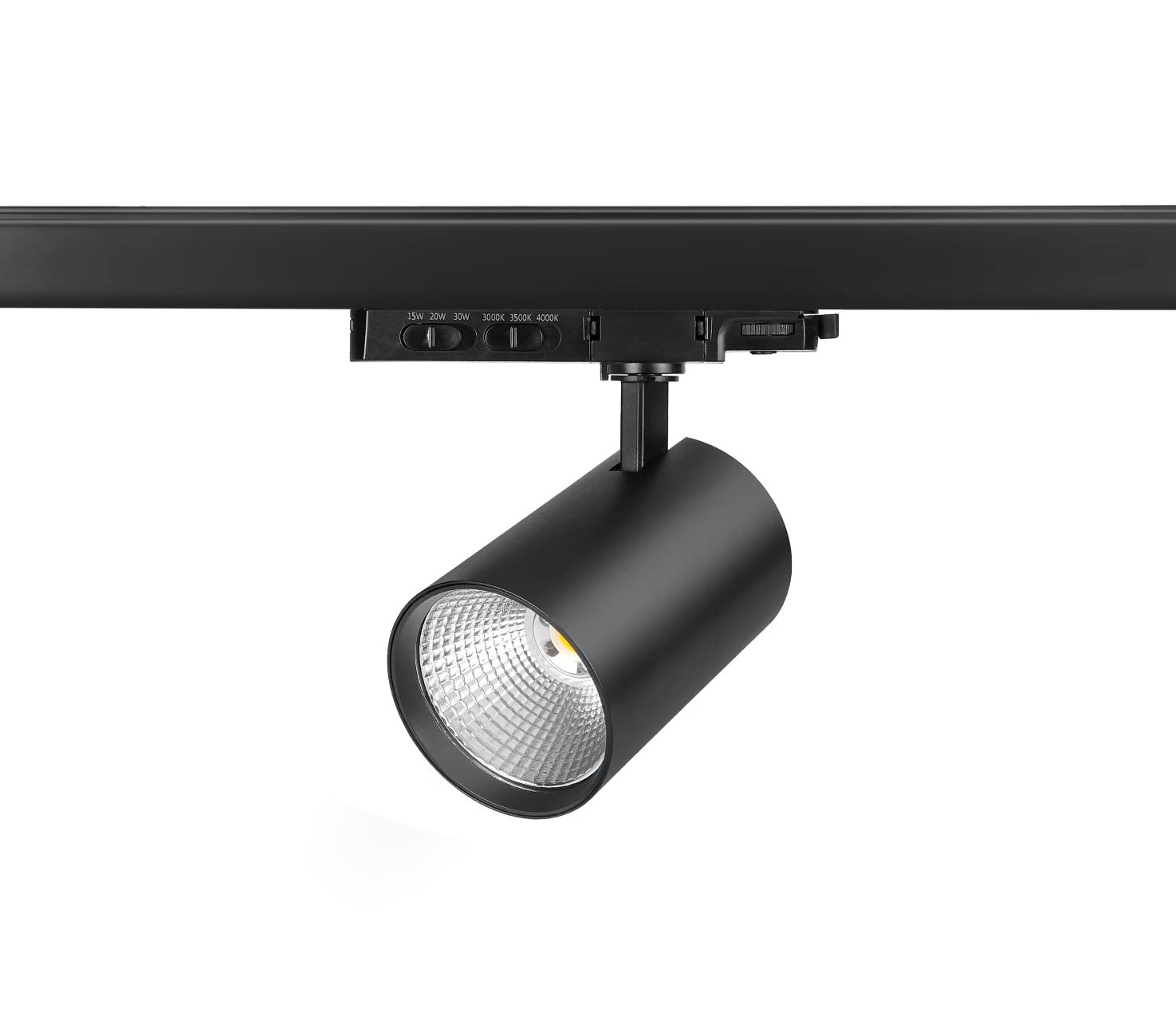
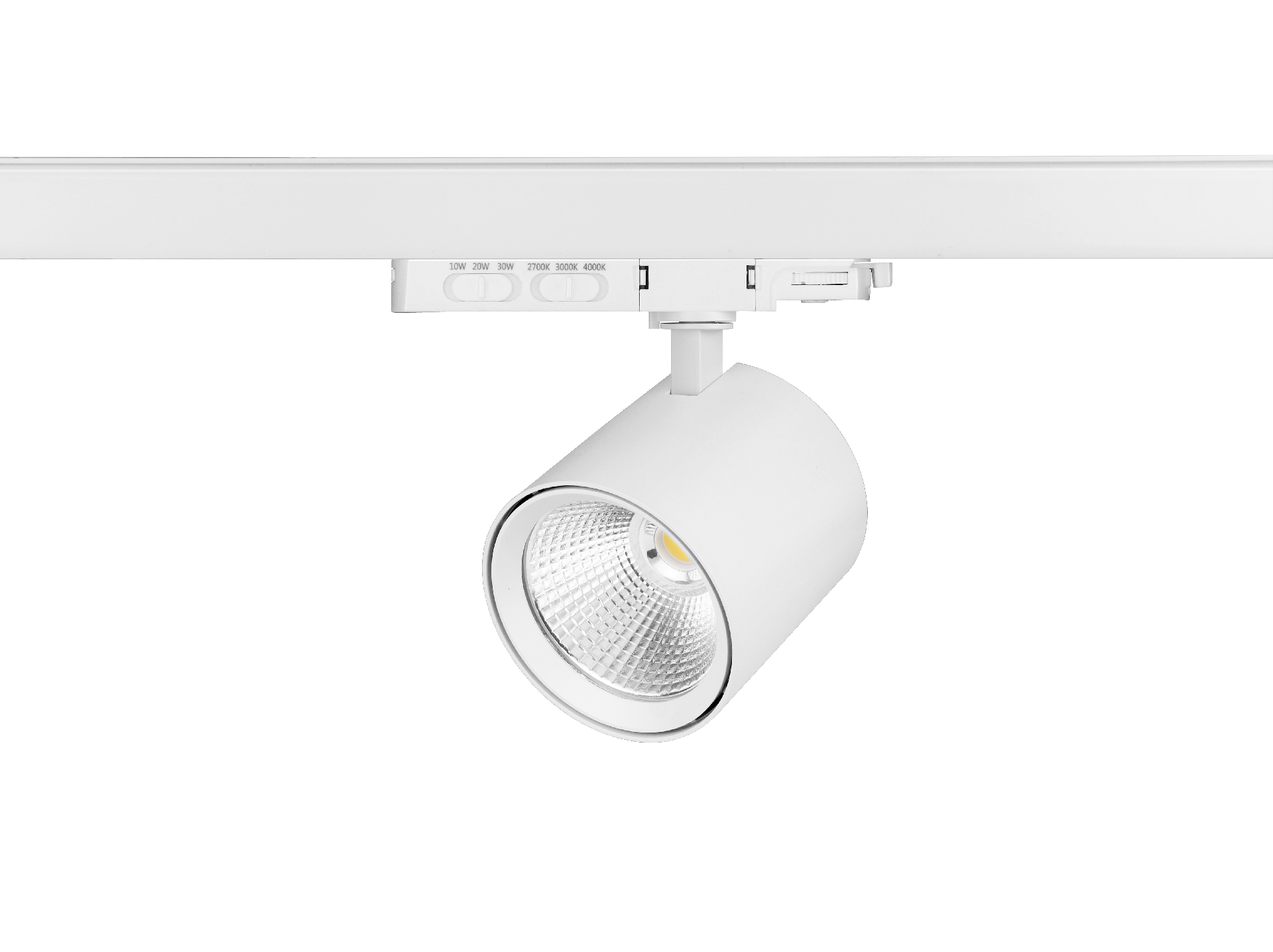
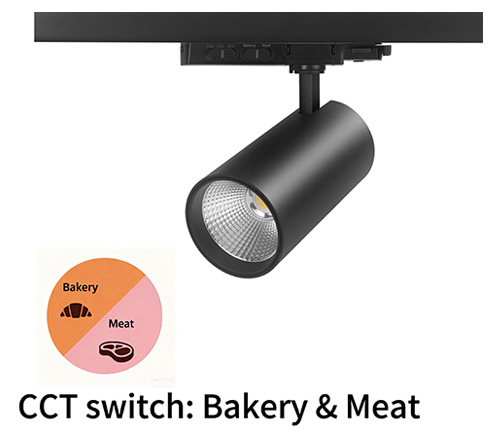
3CCT track lights integrate LEDs capable of emitting three distinct color temperatures in a single fixture. Using a simple switch bottom, users can cycle through 3000K (warm, inviting), 4000K (neutral, balanced), and 5000K (cool, energizing).
This adaptability makes them ideal for spaces requiring dynamic lighting scenarios—like shifting from a relaxed evening mood to a focused task environment.
Types of 3CCT Track Lights
Spotlights (Directional Heads):
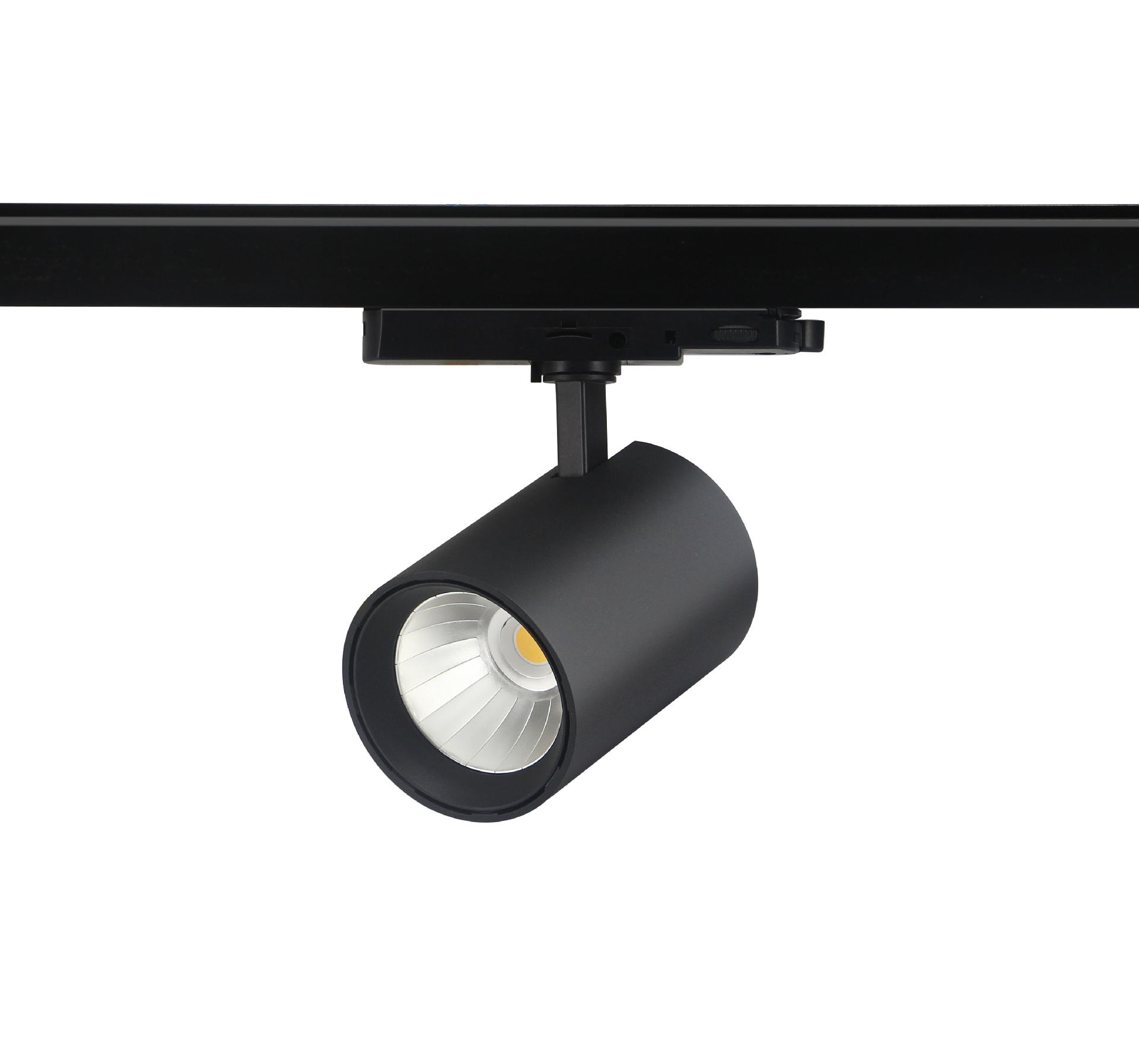
Adjustable heads focus light on specific areas (e.g., artwork or retail displays).
Applications: Galleries, boutiques, accent lighting in homes.
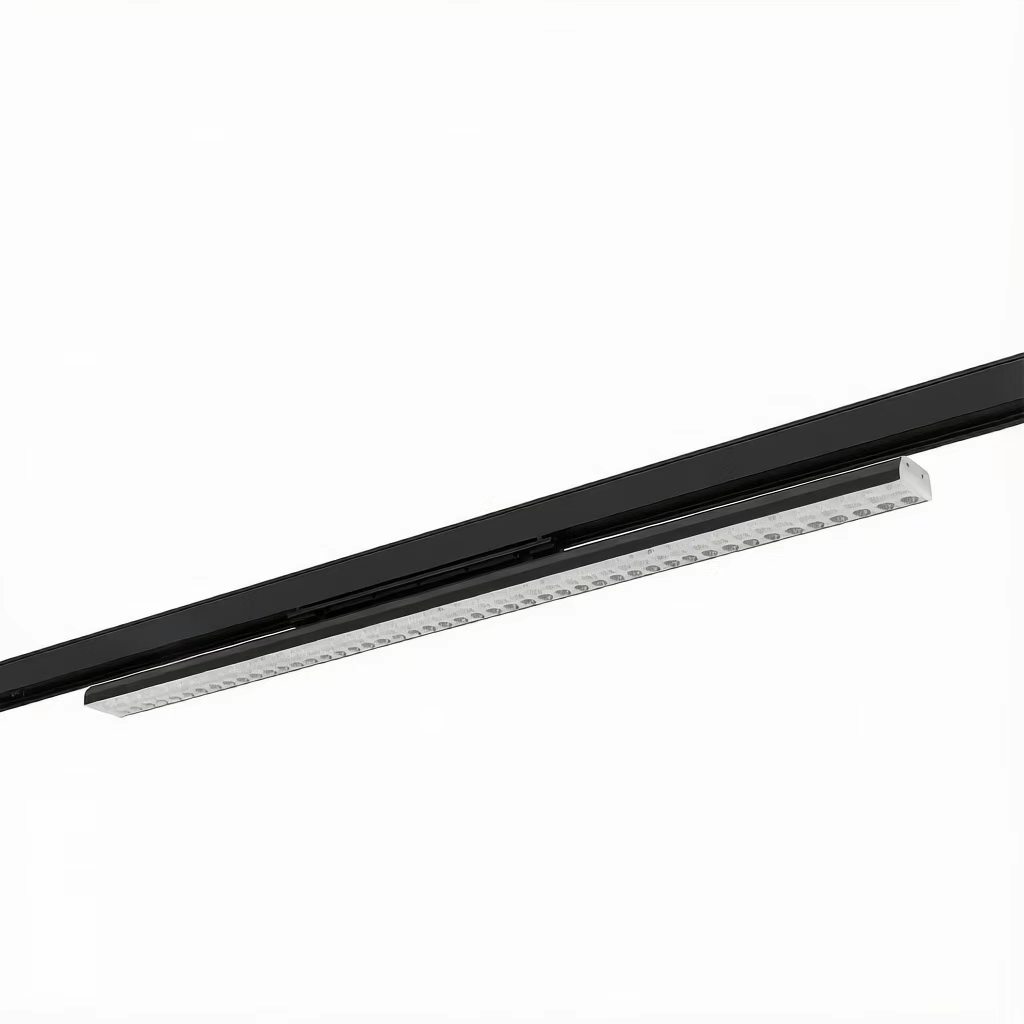
Linear Track Lights (Multi-fixture Systems):
Multiple 3CCT heads on a single track, ideal for uniform illumination.
Applications: Kitchen islands, conference rooms, or retail aisles.
Pendant Track Lights (Suspended Fixtures):
Combine track flexibility with pendant aesthetics for ambient lighting.
Applications: Restaurants, lobbies, or high-ceiling residences.
Dimming Methods
3CCT track lights support dual dimming: adjusting both brightness and color temperature. Key technology is:
Dimmer Switches: Traditional wall dimmers (e.g., TRIAC or 0–10V) control intensity but not color. Requires compatible drivers.
Note: Ensure drivers and LEDs are compatible with your dimming method to avoid flickering.
Residential: Kitchens (4000K for cooking, 3000K for dining), living rooms (scene transitions).
Retail: Highlight products under warm light for appeal, switch to cool light for cleaning.
Galleries: Adapt lighting for paintings (3000K) vs. sculptures (4000K–5000K).
Offices: Neutral white for focus during meetings, warm white for breakout areas.
Hospitality: Restaurants use warm tones for dinner service, bright cool light for setup.
Pro Tip: In high-traffic areas, use DALI systems for centralized control across zones.
Single CCT track lights emit one fixed color temperature (e.g., 4000K). While simpler, they lack versatility. Here’s a head-to-head comparison:
Comparison Table: 3CCT vs. Single CCT Track Lights
| Feature | 3CCT Track Light | Single CCT Track Light |
| Color Temperature | Adjustable (3000K, 4000K, 5000K) | Fixed (e.g., 4000K only) |
| Flexibility | High – Create multiple moods in one space | Low – Static ambiance |
| Dimming Capability | Intensity + Color Temp (dual dimming) | Intensity only (if dimmable) |
| Energy Efficiency | Equivalent (LED-based, same wattage) | Equivalent |
| Ideal Applications | Dynamic spaces: Homes, retail, galleries | Static spaces: Hallways, offices, warehouses |
You can choose 3CCT track light and single CCT track light according to your needs.

Multi-Purpose Spaces: Homes or cafes needing mood shifts.
High-Impact Zones: Retail displays where lighting influences sales.
Future-Proofing: Projects anticipating layout or functional changes.
Architectural Emphasis: Spaces with varied textures/materials requiring tailored illumination.
Example: An art gallery uses 3CCT lights to showcase oil paintings (3000K) and modern sculptures (5000K), eliminating fixture swaps.
When Single CCT Wins
Budget Constraints: Projects prioritizing upfront savings.
Uniform Environments: Offices with consistent task lighting needs.
Simple Installations: Hallways or storage areas where ambiance is irrelevant.
No Dimming Needed: Spaces like warehouses requiring only ON/OFF functionality.
Example: A warehouse installs fixed 5000K single CCT track lights for clear visibility during all shifts.
Dimmable 3CCT track lights redefine lighting flexibility, merging adjustable color temperatures with smooth dimming for spaces demanding versatility. Meanwhile, single CCT track lights offer simplicity and cost savings for static environments.
Your choice hinges on project goals: opt for 3CCT if adapting ambiance is crucial (e.g., retail or residential), or select single CCT for straightforward, budget-friendly solutions. Always verify compatibility between drivers, dimmers, and LEDs to avoid issues. As lighting evolves, 3CCT dimmable systems are becoming the gold standard for dynamic, human-centric design—proving that the right light doesn’t just illuminate; it transforms.
Ready to Upgrade? Consult a lighting specialist to tailor your track system to CCT needs and dimming protocols.