Industry news

Industry news

How to Choose LED Track Lights for Art Galleries and Museums: A Complete B2B Buying Guide
2026-07-15 14:12:32

For museum curators, lighting designers, architects, and electrical contractors, selecting the right LED track lights for art galleries and museums is a long-term investment decision. Because a poor lighting choice may lead to:

  • Color distortion of paintings

  • Reduced artwork lifespan

  • Uncomfortable visitor experiences

  • Poor photography results

  • Increased maintenance costs

On the other hand, a professional museum LED lighting solution can enhance artwork presentation while protecting valuable collections for decades.

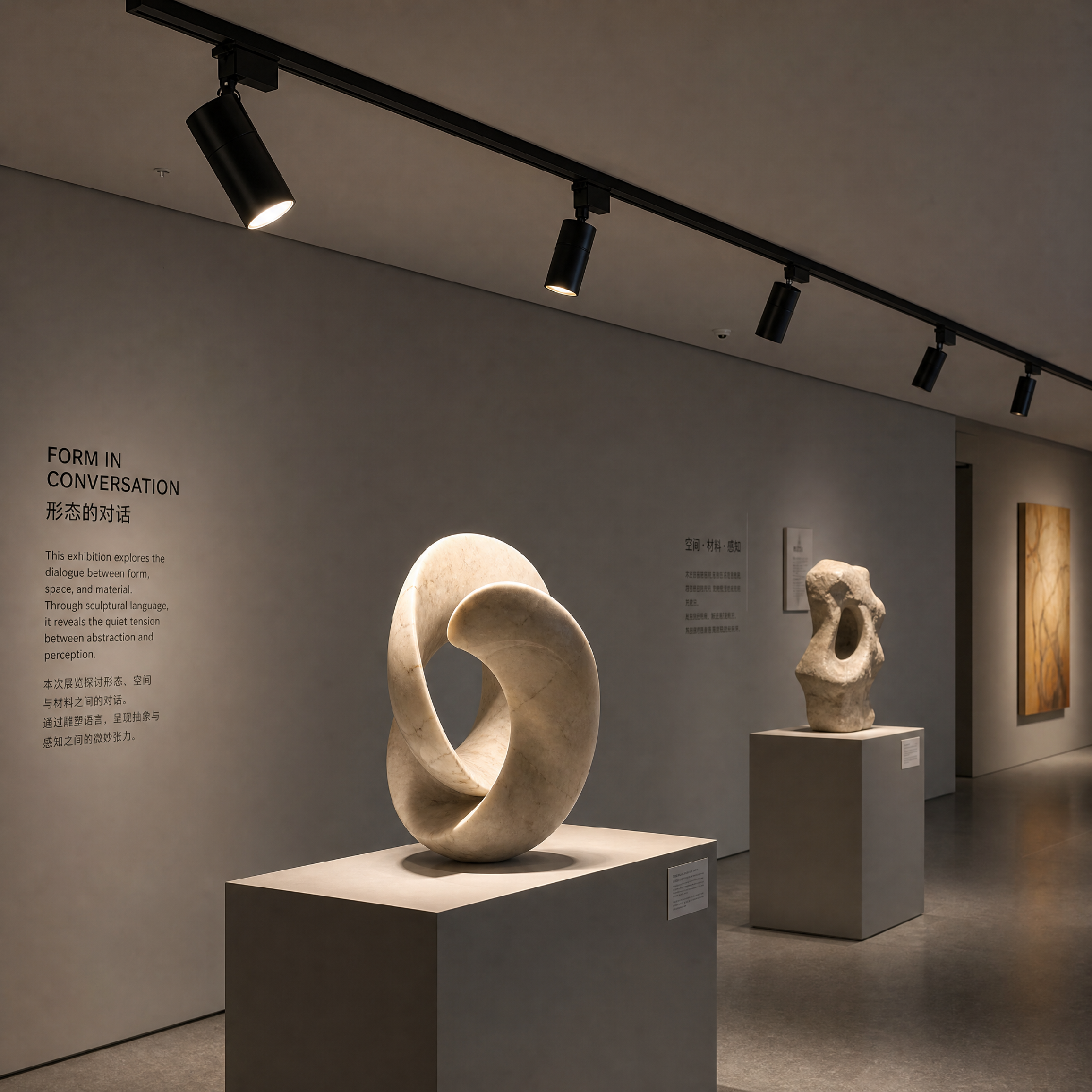
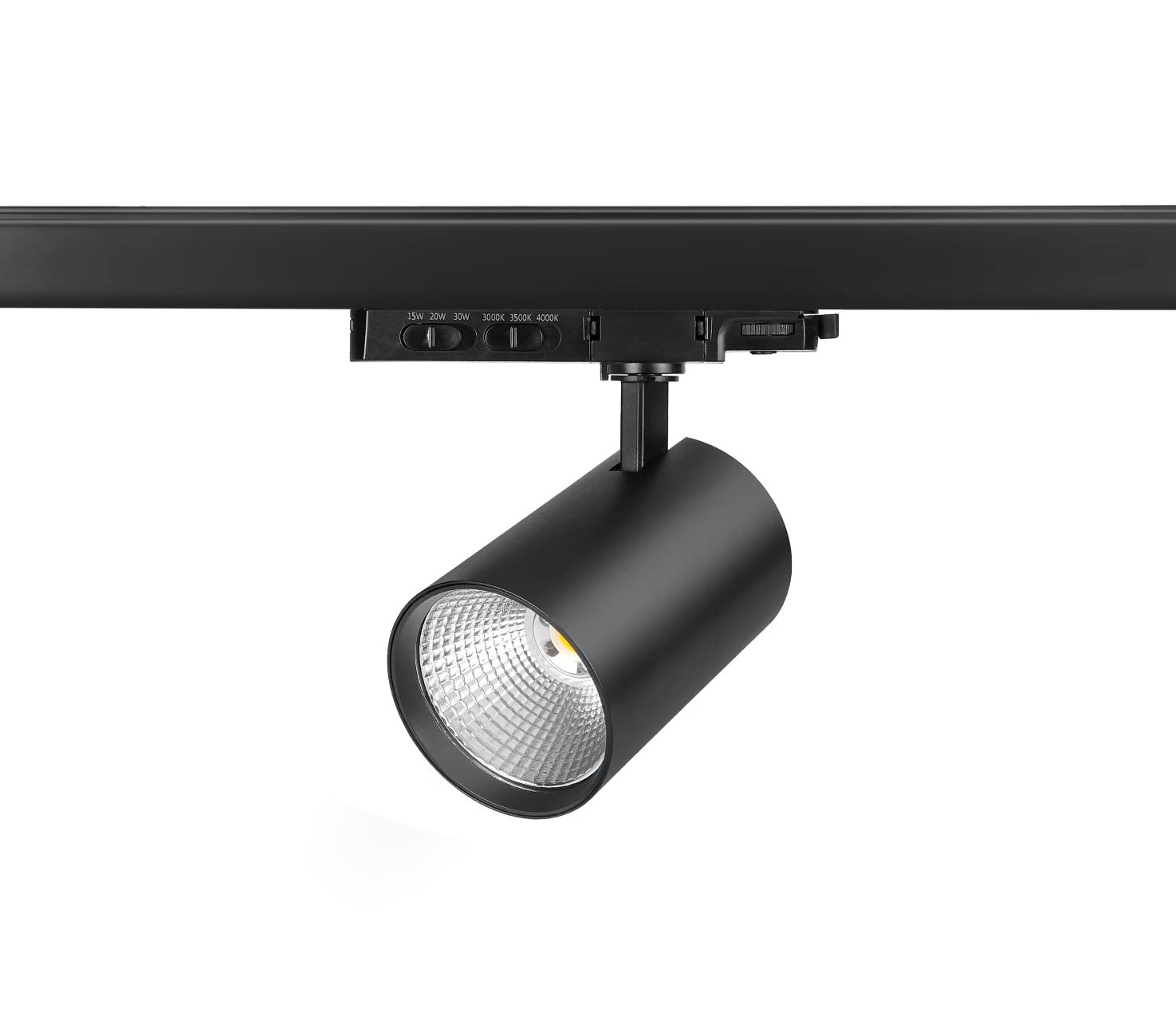
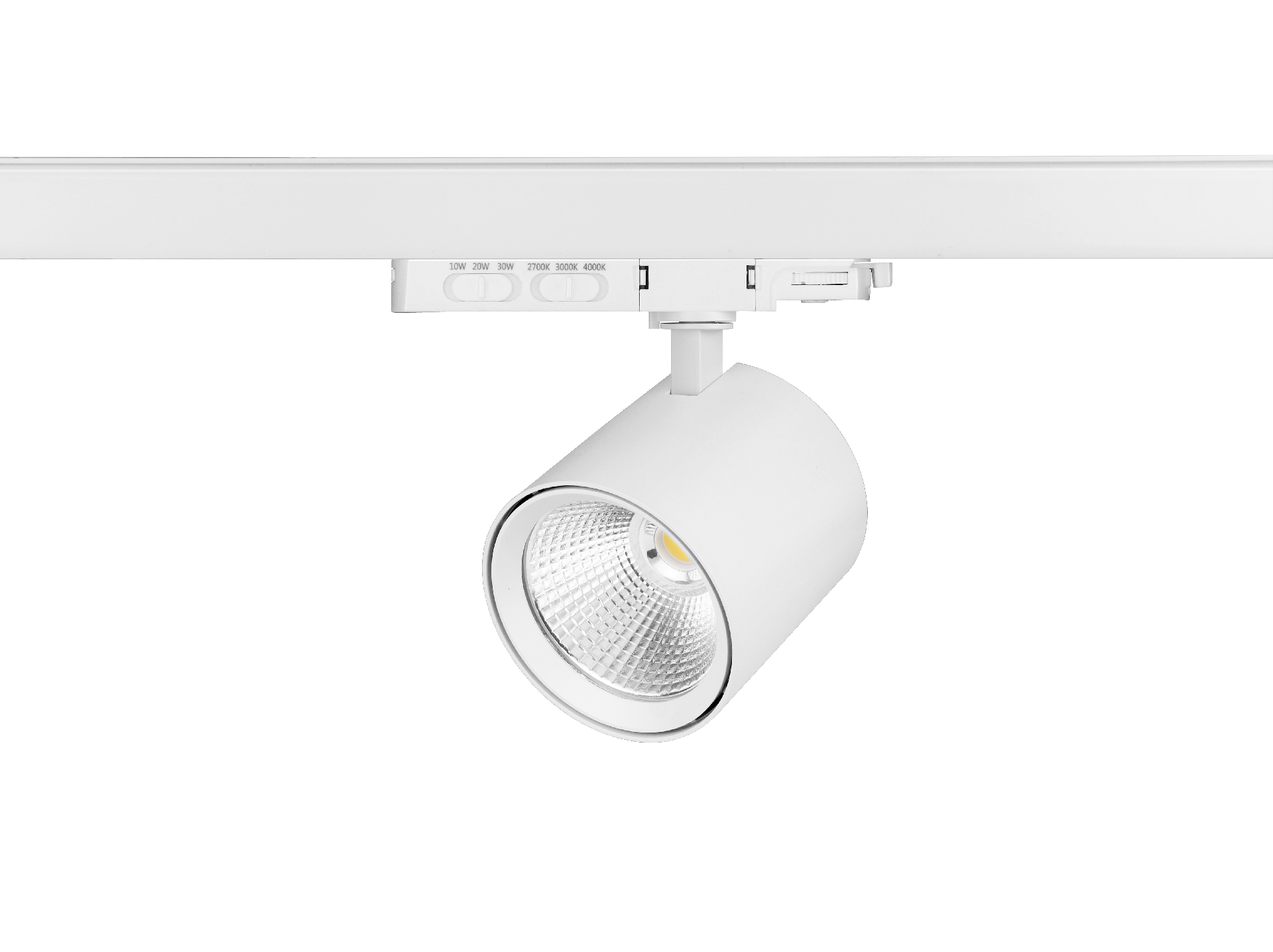
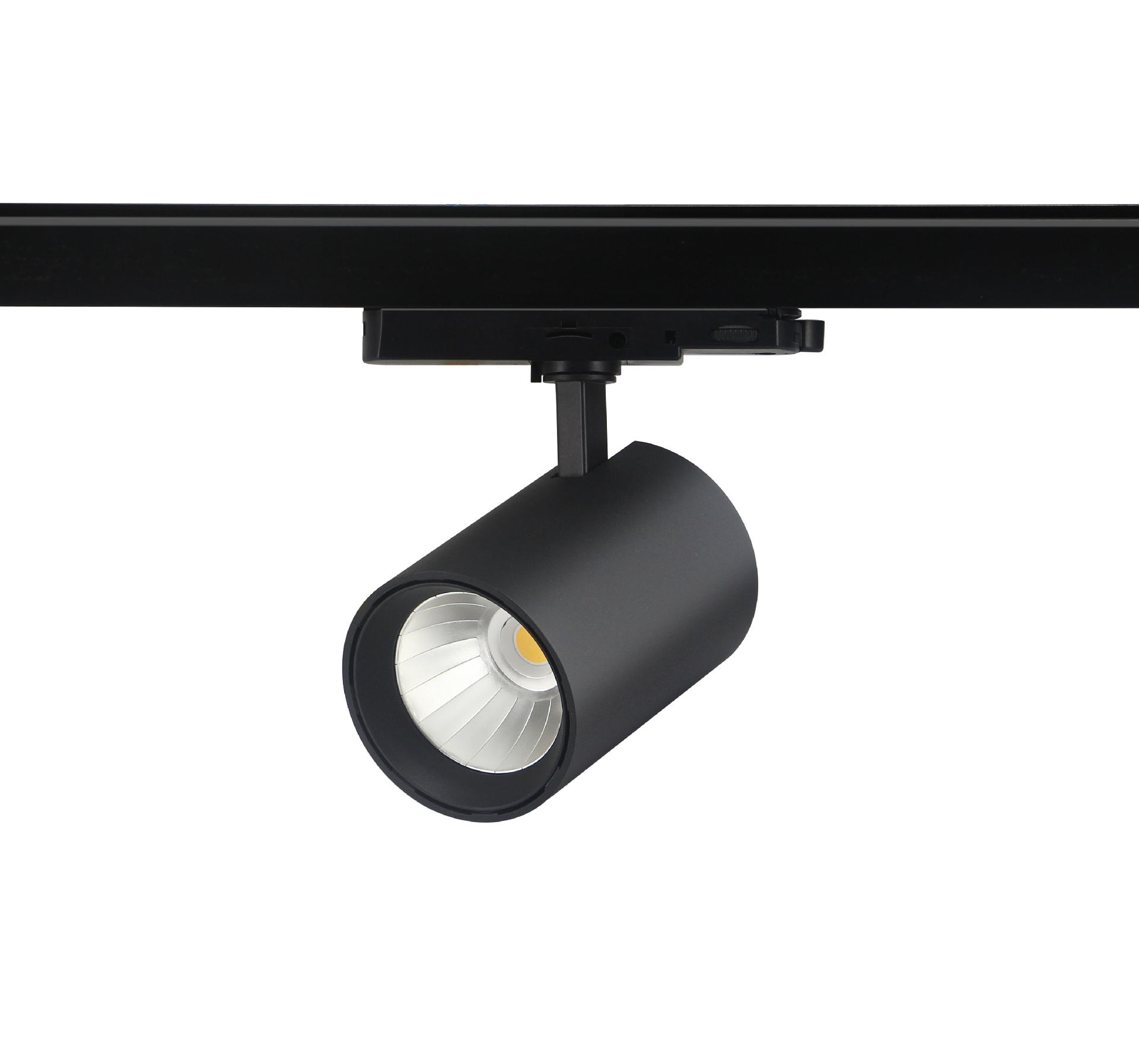
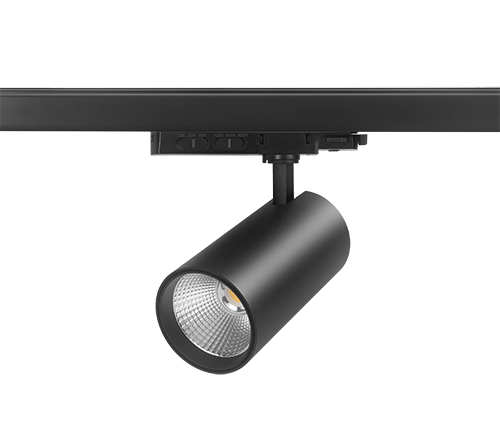
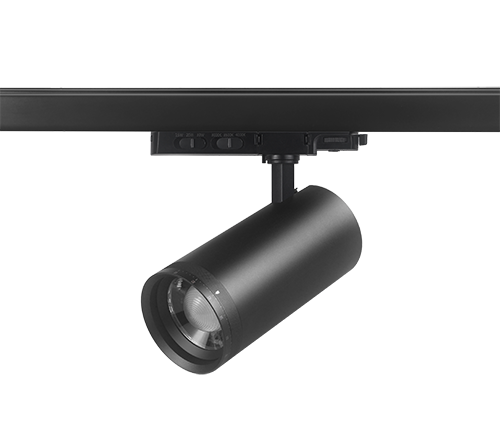
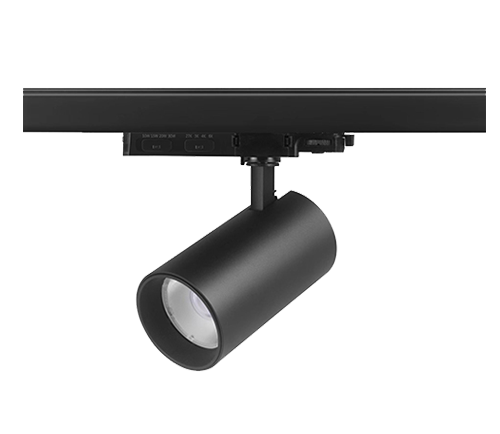
zoomable track light for exhibition.png

This is why high-performance LED track lights with features such as CRI>95+, R9>90, flicker-free drivers, UV-free light output, anti-glare optical design, and DALI-2 dimming compatibility are becoming the preferred choice for modern exhibition spaces lighting worldwide.


1. Why Selecting the Suitable LED Track Lights Matters for Art Galleries

1.1 The Difference Between Commercial Lighting and Museum Lighting

Many lighting systems may appear suitable for galleries because they provide sufficient brightness. However, professional museum lighting requires much more than brightness. In ordinary commercial lighting applications, buyers usually focus on:

  • Lumens

  • Energy efficiency

  • Price

  • Installation convenience

  • Flexibility

However, art galleries and museums focus on:

  • Color accuracy

  • Visual comfort

  • Artwork preservation

  • Lighting flexibility

  • Long-term stability

A painting, sculpture, or historical artifact contains subtle colors and textures that can only be accurately displayed under high-quality lighting.

1.2 The Hidden Risks of Poor Lighting for Artwork

Artwork can be affected by several lighting-related risks:

Risk FactorPotential Impact on ArtworkRecommended Lighting Solution
UV RadiationPigment fading and material degradationUV-free LED technology
Excessive Blue LightLong-term color deteriorationControlled LED spectrum
Heat RadiationAccelerated aging of materialsEfficient LED thermal management
FlickerPhotography issues and visual discomfortFlicker-free driver
GlareReduced visitor comfortAnti-glare optical design

Traditional lighting technologies such as halogen lamps were historically popular in museums because of their warm appearance. However, they generate significant heat and UV radiation, creating risks for sensitive collections.

Modern LED technology solves many of these problems by providing:

  • Stable spectrum control

  • Low heat emission

  • High efficiency

  • Long lifespan

  • Ligting flexibillity


2. CRI and Color Accuracy: The Most Important Factor for Gallery Lighting

2.1 Why High CRI LED Track Lighting Matters

For art galleries, accurate color reproduction is one of the most important lighting requirements. CRI measures how accurately a light source reveals colors compared with natural daylight. The higher the CRI value, the more realistic objects will appear.

General commercial lighting: CRI 80+; Professional retail lighting: CRI 90+; Museum and gallery lighting: CRI 95+; Premium artwork lighting: CRI 98+.

A high CRI LED track light allows visitors to see artwork closer to the artist’s original intention. This is especially important for:

  • Oil paintings

  • Photography exhibitions

  • Textiles

  • Historical artifacts

  • Sculptures

2.2 Why R9 Performance Is Critical for Artwork

Although CRI is important, professional lighting buyers should also consider R9 performance. R9 measures the ability of a light source to reproduce strong red colors.

Red tones are especially important for:

  • Human portraits

  • Traditional paintings

  • Fabrics

  • Food photography exhibitions

Many standard LED products achieve acceptable CRI levels but perform poorly in R9. A professional museum lighting system should provide:

  • CRI >95

  • Strong R9 performance

For premium exhibition environments, our gallery track lighting solutions are designed with:

  • CRI >98

  • R9 >90

  • Flicker-free driver technology

This combination ensures highly accurate color reproduction and reliable performance for both artwork display , exhibitions and professional photography.

2.3 CRI Comparison: Standard Lighting vs Professional Gallery Lighting


SpecificationStandard Commercial LED Track LightProfessional Gallery LED Track Light
CRI80-90>98
R9Usually limited>90
Color AccuracyAverageExcellent
Photography PerformanceMay show color differenceProfessional quality
ApplicationRetail/general lightingMuseums, galleries, exhibitions
Therefore, choosing the track light with suitable CRI will bright the artworks and to achieve the effects the holders want.

3. LED Track Light with Anti-Glare Design and UGR Control for Visitor Comfort

3.1 Why Glare Is a Serious Problem in Art Exhibitions

Even a high-quality LED source can create problems if optical design is poor. Glare occurs when excessive brightness enters the viewer’s eyes directly or reflects from surfaces.

In museums and galleries, glare can:

  • Distract visitors

  • Reduce artwork visibility

  • Create uncomfortable viewing conditions

  • Affect professional photography

Therefore, professional exhibition lighting requires effective glare control. Important technologies include:

  • Deep anti-glare reflectors

  • Precision optical lenses

  • Shielded LED modules

  • Proper beam control

3.2 Understanding UGR Requirements for Gallery Lighting

UGR measures visual discomfort caused by lighting systems. Lower UGR values indicate better glare control.

For professional spaces: Low UGR = Better visual comfort

Although UGR requirements vary depending on application, museums and galleries generally prefer lighting systems designed with strong glare control. A well-designed LED CCT track light should provide:

  • Comfortable viewing experience

  • Focused illumination

  • Minimal visual disturbance

3.3 Choosing the Correct Beam Angle for Artwork

Beam angle selection directly affects exhibition quality. Different artwork sizes require different optical solutions.

Beam AngleRecommended Application
15°Small artwork spotlighting, sculptures, details
24°Medium paintings and display objects
36°Wall washing and general gallery lighting
60°Large artwork areas and wider illumination

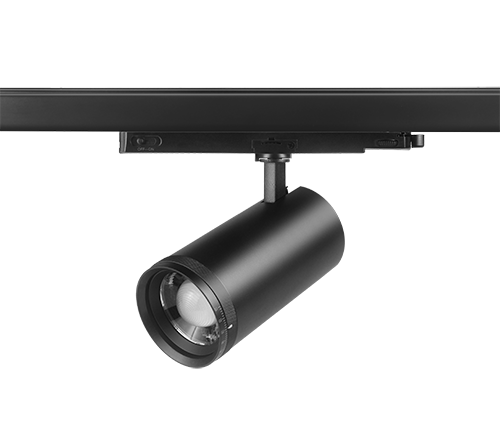
Zoomable LED CCT track lights provide additional flexibility by allowing designers to adjust beam angles and color temperatures according to exhibition changes on site.


4. UV-Free and Blue Light Management: Protecting Valuable Artwork

4.1 Why Traditional Lighting Can Damage Artwork

Many historical artworks contain materials that are sensitive to light exposure. Such as paper, fabric, paint pigments and ancient documents.

Long-term exposure to inappropriate light sources can accelerate fading, chemical changes and material degradation. The most important factors include:

  • UV radiation

  • Excessive energy exposure

  • Heat generation

4.2 How LED Technology Protects Museum Collections

Modern professional LED CCT track lights provide advantages including:

  • UV-Free Light Output

Quality LED systems produce extremely low UV radiation compared with traditional lamps. This helps reduce risks associated with long-term exhibition lighting.

  • Lower Thermal Impact

LED technology generates significantly less radiant heat. This helps protect:

  • Paint surfaces

  • Delicate materials

  • Temperature-sensitive exhibits

This makes LED CCT track lighting an ideal choice for museums and galleries lighting


5. Dimming Compatibility and Smart Control: Why DALI-2 Is Becoming Standard for Museum Lighting

5.1 Why Adjustable Lighting Is Essential for Modern Exhibitions

Modern museums and art galleries are no longer static environments. Exhibition spaces frequently change:

  • New artwork collections

  • Temporary exhibitions

  • Different display layouts

  • Special photography requirements

  • Various visitor experiences

A lighting system that works for one exhibition may not be suitable for another. Therefore, professional galleries require lighting systems that provide precise control over:

  • Brightness level

  • Lighting scenes

  • Energy consumption

  • Artwork exposure time

This is where dimmable LED track lighting becomes essential.

5.2 DALI-2 LED Track Lighting for Professional Museums

Among modern lighting control systems, DALI-2 dimming technology has become increasingly popular in professional commercial and museum projects. DALI-2 enables individual lighting control and communication between fixtures and control systems.

For museums, the benefits include:

✔ Precise brightness adjustment

✔ Individual fixture control

✔ Multiple lighting scenes

✔ Energy optimization

✔ Integration with building management systems

5.3 The Differences Between Different Dimming Solutions

Dimming SystemAdvantagesSuitable Application
DALI-2Precise digital control, individual addressingMuseums, galleries, large exhibitions
0-10VSimple analog dimmingCommercial projects
TRIACCost-effective solutionSmall galleries, retail spaces
Non-dimmableLimited flexibilityBasic installations

For high-end art galleries and museums, DALI-2 dimmable LED track lights provide the highest level of control and future scalability.


6. Recommended Technical Specifications for Choosing Art Gallery LED Track Lights

Selecting the right specifications is critical for achieving professional exhibition lighting performance. A high-performance museum LED track light should meet the following standards:

ParameterRecommended Standard for Art Galleries
LED TypeHigh-quality COB LED
CRI>95+
R9>90
FlickerFlicker-free driver
UV OutputUV-free design
Beam Angle15°-60° adjustable
DimmingDALI-2 / TRIAC / 0-10V
Lifetime50,000+ hours
Efficiency100lm/W+
Color ConsistencySDCM <3

These specifications help ensure:

  • Accurate artwork reproduction

  • Long-term collection protection

  • Comfortable visitor experience

  • Reduced maintenance requirements


7. Fixed LED Track Lights vs Zoomable LED Track Lights for Art Galleries

7.1 Why Flexibility Matters in Exhibition Lighting

One of the biggest challenges in museums is that exhibitions frequently change. A lighting system designed for today's artwork may not fit tomorrow's exhibition.

Fixed beam track lights have limitations:

  • Fixed illumination area

  • Limited adjustment capability

  • More replacement requirements

Zoomable LED CCT track lights solve this problem by allowing designers to adjust beam angles according to the needs of different artwork sizes and spaces.

7.2 Fixed vs Zoomable LED Track Lights

FeatureFixed LED Track LightZoomable LED Track Light
Beam AngleFixedAdjustable
Exhibition ChangeLimited flexibilityHighly adaptable
Artwork Size AdjustmentDifficultEasy
Installation EfficiencyMediumHigh
Long-Term ValueModerateExcellent

7.3 Why Zoomable Track Lights Are Ideal for Museums

A single zoomable track light can support:

  • Small paintings

  • Large wall artwork

  • Sculptures

  • Special exhibitions

By adjusting:

  • Beam angle

  • Installation direction

  • Brightness level

Projectors can achieve professional lighting effects without replacing fixtures just adjust it on site..

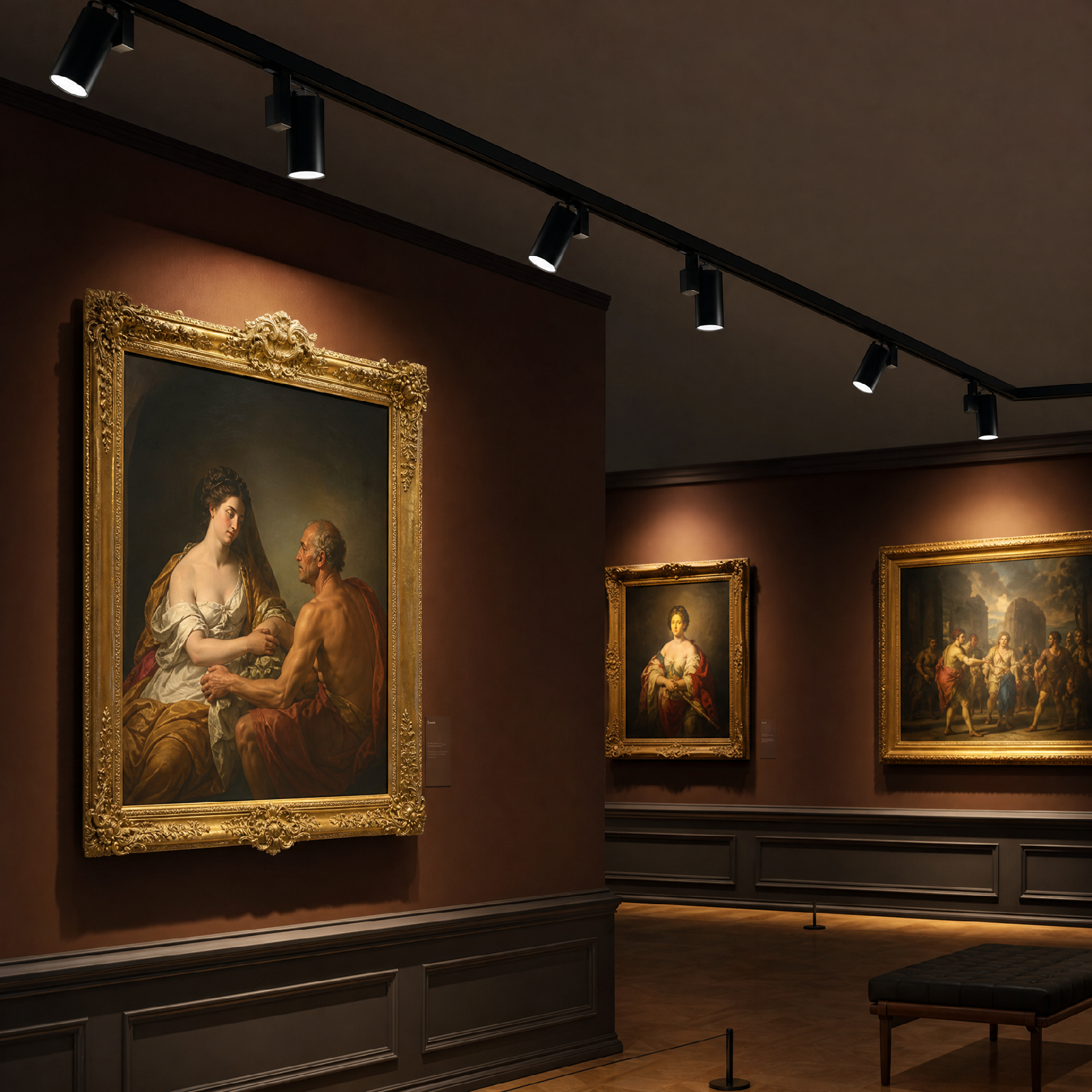
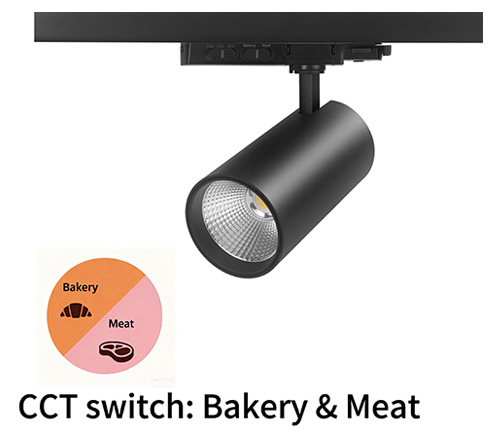
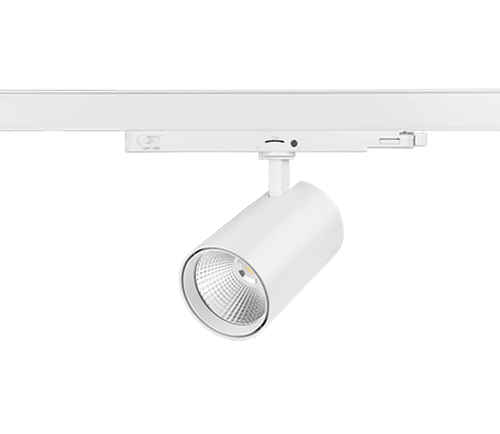
Art lighting CCT track light.png


8. How Lighting Designers and Contractors Should Select a Reliable LED Track Light Supplier

For international museum and gallery projects, supplier selection is just as important as product selection. A reliable LED lighting manufacturer should provide:

8.1 Professional Optical Engineering Capability

Museum lighting requires more than standard LED manufacturing.

Suppliers should understand:

  • Optical lens design

  • Beam control

  • Color management

  • Thermal performance

8.2 Proven Product Testing

Professional suppliers should provide testing data including:

  • Photometric reports

  • Color testing

  • Flicker testing

  • Thermal testing

  • Safety certification

8.3 International Certification Support

For European projects, buyers should consider suppliers supporting:

  • CE certification

  • RoHS compliance

  • EMC testing

  • LVD requirements

These certifications help ensure product reliability and market compliance.

8.4 OEM and Project Customization Capability

Large galleries and lighting brands often require customization. A capable OEM supplier should support:

  • Customized housing design

  • Special beam angles

  • Different wattage options

  • Branding solutions

  • Customized packaging


9. Why Choose Pust Lighting for Museum and Gallery LED Track Lighting Solutions?

For professional lighting projects, Pust Lighting focuses on delivering high-performance LED track lighting solutions designed for demanding applications. Our museum and gallery lighting solutions are developed around four key advantages:

9.1 Ultra-High Color Accuracy

To accurately reproduce artwork details, Pust Lighting gallery track lights feature:

  • CRI >98

  • R9 >90

This ensures:

  • Natural color presentation

  • Accurate artwork reproduction

  • Professional photography quality

9.2 Flicker-Free Driver Technology

Photography and video documentation are becoming increasingly important in modern museums.

Flicker can affect:

  • Camera performance

  • Exhibition recording

  • Visitor visual comfort

Pust Lighting uses flicker-free driver solutions to provide stable illumination.

9.3 Flexible Optical Solutions

Different exhibitions require different lighting effects.

Pust Lighting provides:

  • Zoomable beam options

  • Multiple beam angles

  • Adjustable lighting solutions

Suitable for:

  • Art galleries

  • Museums

  • Exhibition halls

  • Luxury commercial spaces

9.4 Smart Lighting Compatibility

For modern intelligent buildings, Pust Lighting supports:

  • DALI-2 dimming

  • TRIAC dimming

  • Custom control solutions

This enables professional lighting management.


10. Future Trends of Museum and Gallery LED Track Lighting

The future of exhibition lighting will continue moving toward:

10.1 Higher Color Accuracy

As museums demand better visitor experiences, CRI95+ lighting will become increasingly common.

10.2 Smart Lighting Management

Future galleries will increasingly adopt:

  • DALI-2 systems

  • Automated lighting scenes

  • Energy monitoring

10.3 Flexible Lighting Platforms

Exhibition spaces need lighting systems that adapt quickly.

Future solutions will include:

  • Zoomable optics

  • Adjustable power

  • Adjustable color temperature

  • Modular designs


Conclusion: Choosing the Right LED Track Light Is Protecting Art and Enhancing Experience

Selecting LED track lights for museums and art galleries requires a much higher standard than ordinary commercial lighting.

A professional solution must combine:

✔ High CRI performance

✔ Accurate R9 reproduction

✔ Flicker-free operation

✔ UV-free protection

✔ Anti-glare design

✔ Flexible beam control

✔ Smart dimming compatibility

For museum directors, lighting designers, electrical contractors, and project buyers, investing in professional LED track lighting means protecting valuable artwork while creating a better visitor experience. With advanced technologies such as CRI>95+, Rflicker-free drivers, zoomable optics, and DALI-2 compatibility, modern LED track lights provide the ideal balance between artistic presentation, energy efficiency, and long-term reliability.


FAQ – LED Track Lights for Art Galleries and Museums

Q1: What CRI is recommended for art gallery LED track lighting?

For professional art galleries and museums, CRI95+ is generally recommended. High CRI ensures accurate color reproduction, allowing visitors and photographers to experience artwork closer to its original appearance. 


Q2: Are LED track lights safe for paintings and artwork?

Yes, professional LED track lights are considered safe for artwork when designed with UV-free output, low heat radiation, and controlled spectrum performance. Compared with traditional halogen lighting, quality LED systems generate significantly less UV radiation and heat, helping reduce the risk of pigment fading and material degradation.


Q3: Why is flicker-free lighting important for museums?

Flicker-free LED lighting is important because museums increasingly use professional cameras and video equipment for documentation and online exhibitions. Flicker can create visible issues during photography and recording. Flicker-free drivers provide stable illumination, improve visitor comfort, and ensure accurate digital reproduction of artwork.


Q4: Should museums choose DALI-2 dimmable LED track lights?

Yes, DALI-2 is an excellent choice for museums and galleries because it provides precise digital lighting control. Curators can adjust brightness levels, create different exhibition scenes, and optimize energy usage. This flexibility is especially valuable for temporary exhibitions and spaces with changing lighting requirements.


skype

Contact