The Ultimate Guide to CCT Track Lighting: Revolutionizing Modern Spaces with CCT Tunable Illumination
In the changing world of interior design, commercial architecture, and modern living, lighting has transcended its role from a mere necessity to a powerful, versatile tool. It shapes environments, dictates moods, enhances aesthetics, and serves critical functional purposes. At the forefront of this evolution is a technology that is redefining how we think about and use light: CCT Track Lighting.
This guide is designed for architects, interior designers, business owners, sellers and even importers seeking a comprehensive, expert-level understanding of this groundbreaking lighting solution. We will delve deep into the science, applications, benefits, and practical considerations of CCT track lighting, empowering you to unlock its full potential.

1. Introduction: The Need for Adaptable CCT Track Lighting
The premise is simple yet revolutionary: Why be confined to a single type of light when our needs change throughout the day? The light appropriate for a bustling kitchen breakfast is rarely the right light for an evening dinner party, nor is it suitable for an art gallery highlighting a delicate watercolor.
Historically, achieving different lighting "feels" meant installing multiple fixtures or relying on clumsy filters. This 30W CCT track lighting solves this elegantly, bringing the power of adaptability to a single, sleek system, which means 3CCT can be adjustable in one fixture(2700K-3000K-4000K). This technology allows you to change the color temperature of the light—from warm to cool and everything in between—at the touch of a button or the flip of a switch.
Defining our Focus: The Advanced CCT Track Light
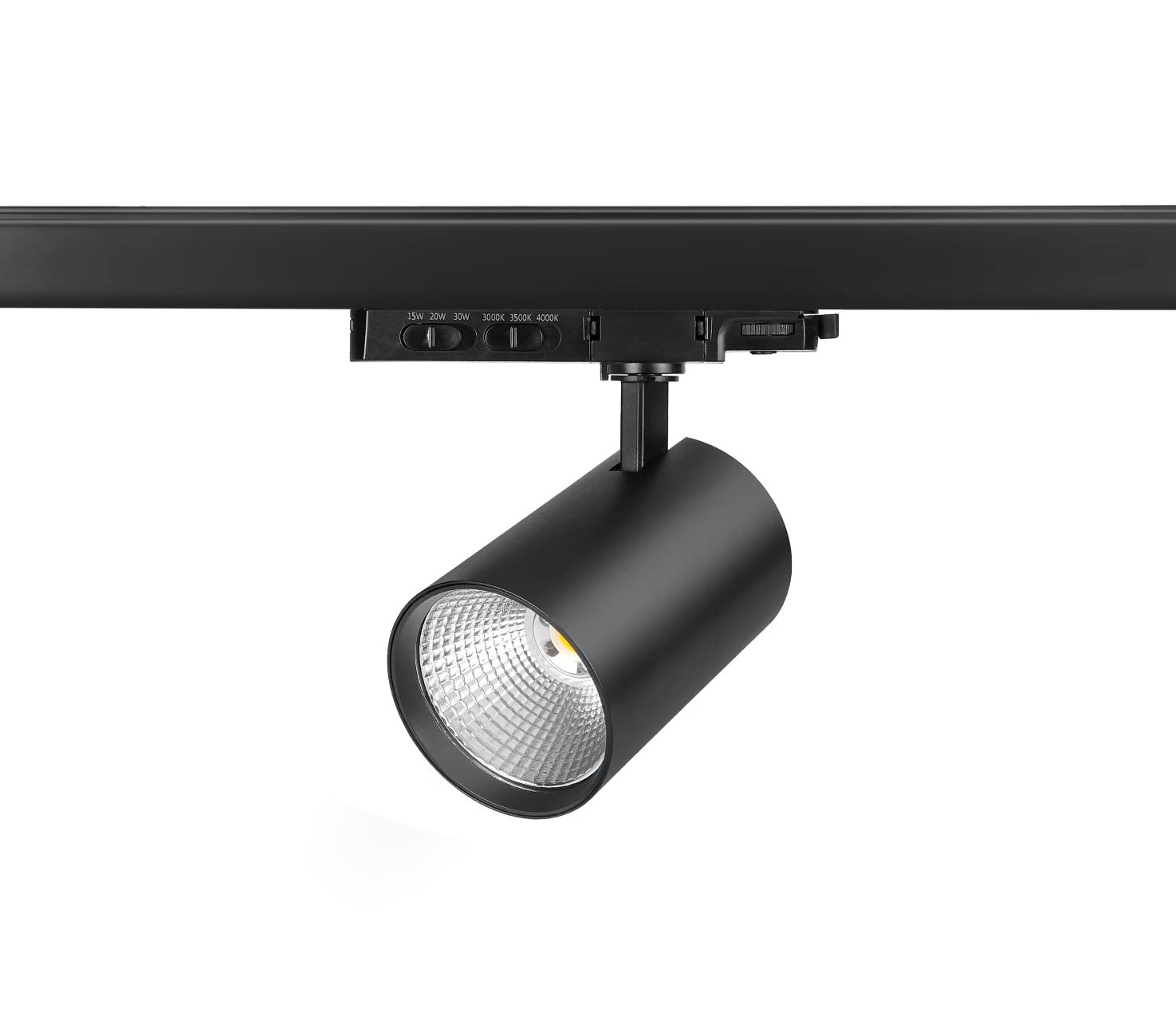
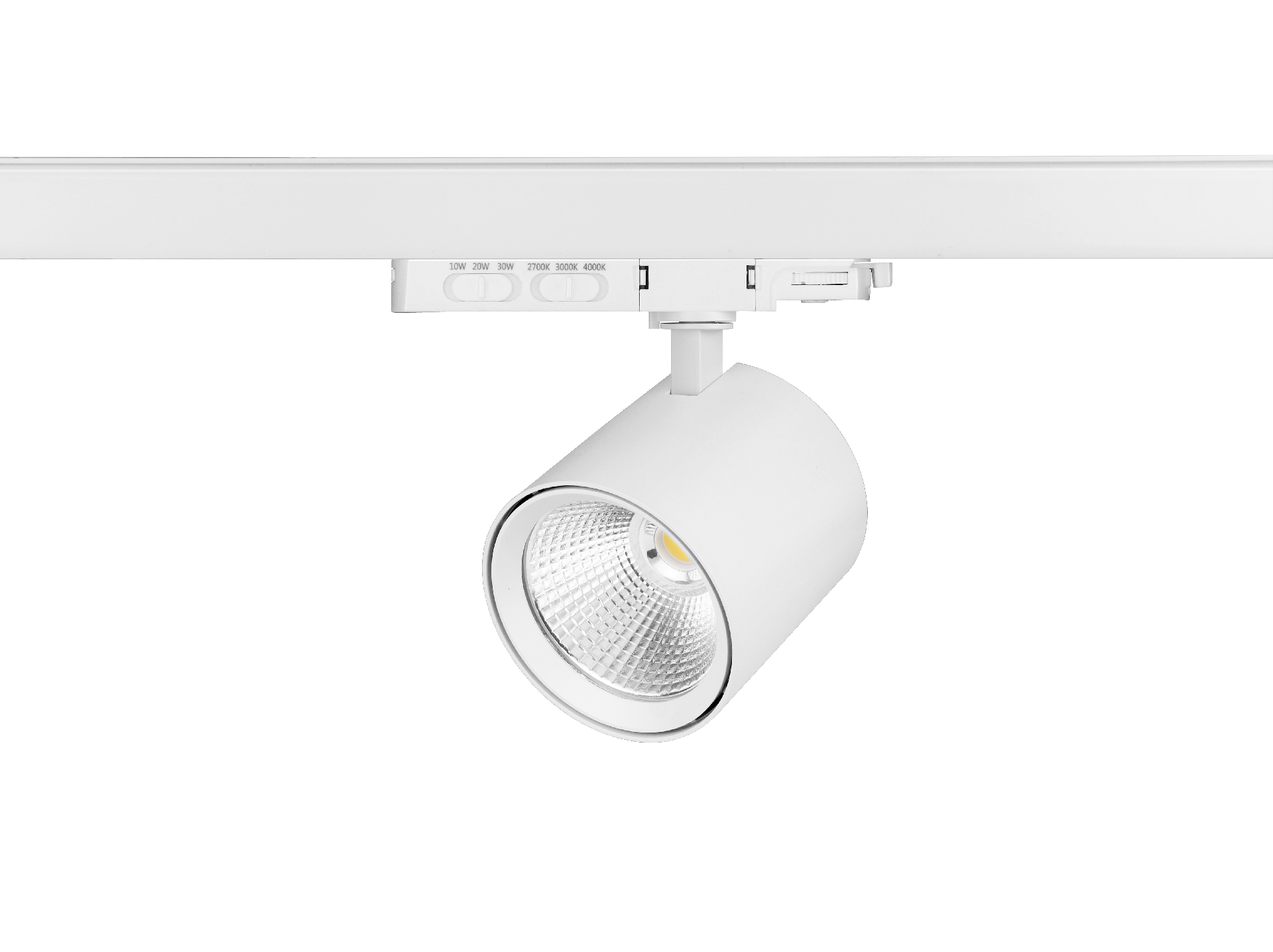
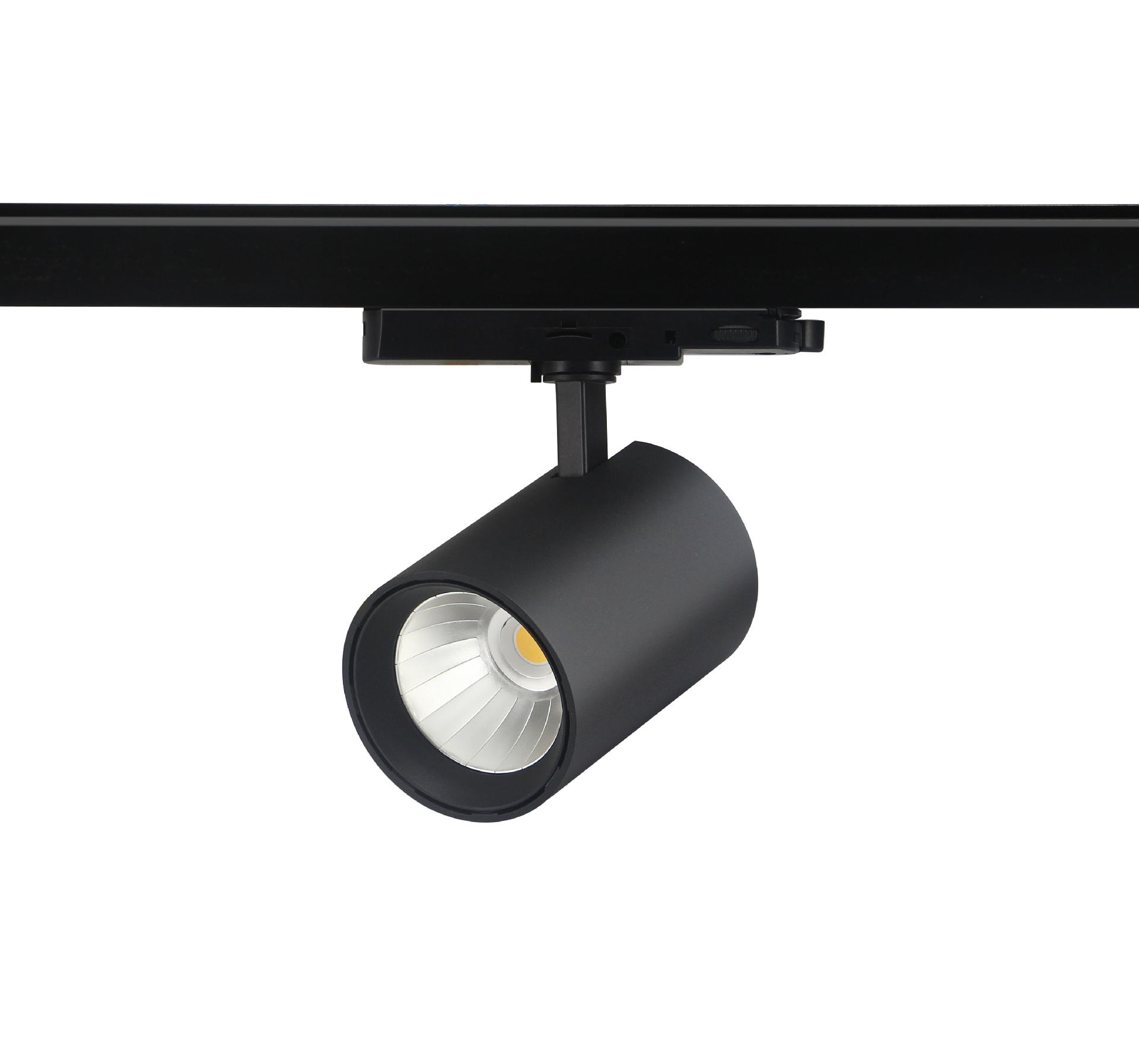
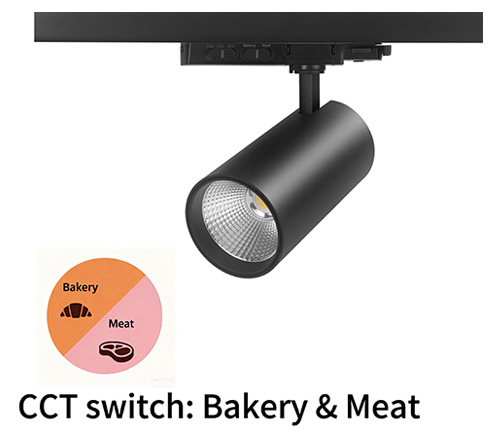
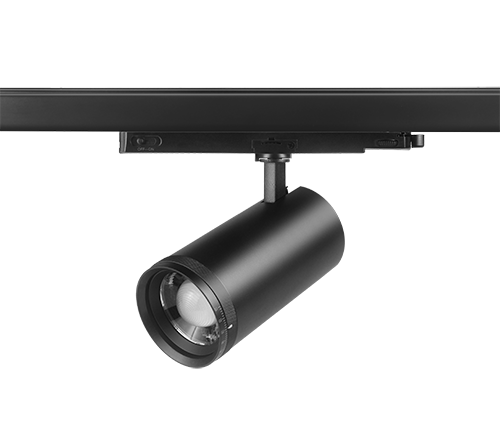
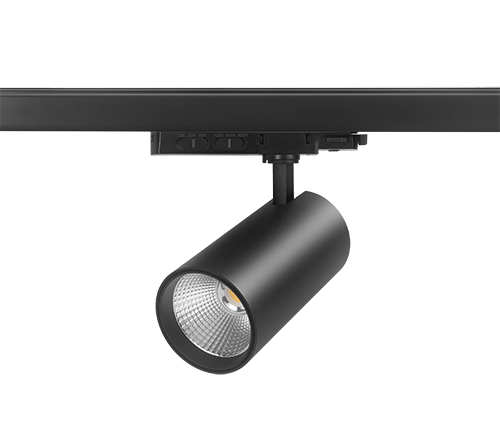
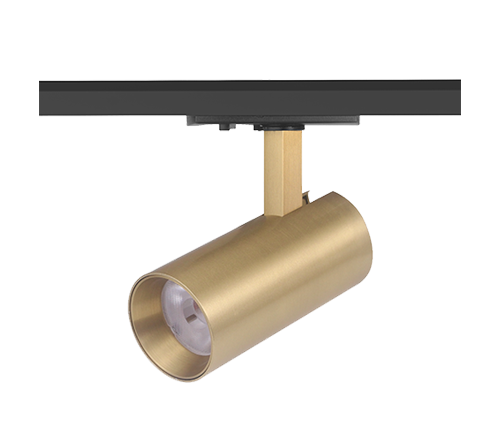
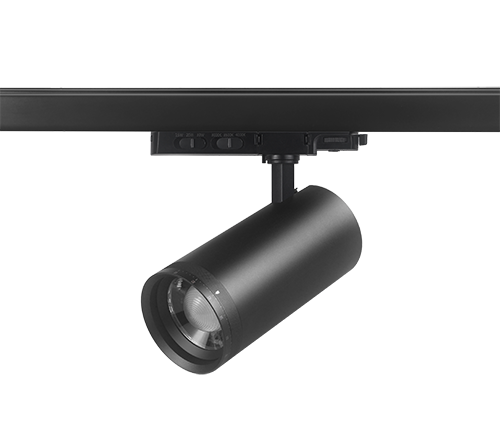
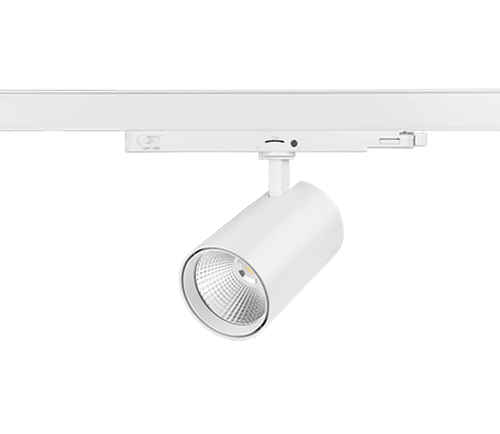
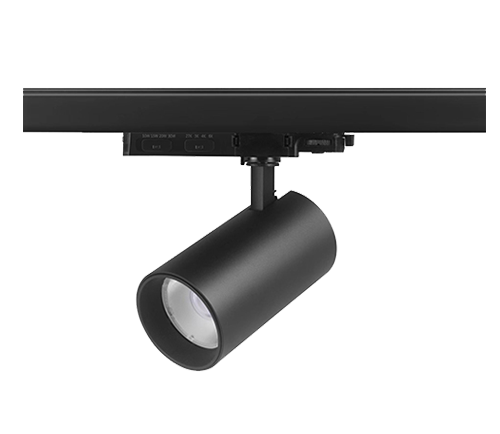
To illustrate these concepts, we will refere to a leading example of this technology, showcasing the pinnacle of modern design: a specification-grade cylindrical CCT track light (D85*L140mm) designed for professional applications. This unit embodies the versatility we are discussing, featuring:
3-CCT Switchability: (e.g., 2700K, 3000K, 4000K)
3-POWER Switchability: (e.g., 15W, 20W, 30W)
Triac Dimmability
Multiple Finishes: Black, White, Gold
With all the functions into one light, so just one light can bring you 9 options.
2. Deciphering CCT: The Science of Color Temperature(CCT)
To truly appreciate the power of a CCT track fixture, we must first master the terminology.
What is Correlated Color Temperature (CCT)?
Correlated Color Temperature, measured in Kelvin (K), is a numerical value used to describe the "warmth" or "coolness" of the light emitted by a light source. It describes the appearance of the light itself, not its actual heat output.
The Kelvin Scale Demystified
The Kelvin scale operates on a spectrum that, perhaps counterintuitively, associates lower numbers with "warm" light and higher numbers with "cool" light.
2000K - 3000K (Warm White): This range produces an amber, yellowish glow, resembling candlelight, firelight, or the traditional incandescent bulb. It is associated with comfort, relaxation, and intimacy.
3000K - 4500K (Neutral White / Soft White): This is a cleaner, whiter light that balances warm and cool tones. It is often described as "crisp" and is excellent for task lighting where color accuracy is important, but a harsh environment is not desired.
4000K - 6000K (Cool White / Daylight): This light is stark, crisp, and bright, often having a slight blue tint. It mimics high-noon sunlight and is used to maximize visibility, promote alertness, and reduce eye strain in highly functional spaces.
The Problem with Fixed-CCT track Lighting
Until recently, purchasing a fixture meant committing to one of these color temperatures. A 3000K fixture was always 3000K. This led to sub-optimal lighting situations, such as:
An office space remaining a harsh 5000K in the evening, hindering the body’s natural circadian rhythms.
A luxury apartment with 4000K "neutral" lighting that fails to create a cozy, warm atmosphere for evening entertaining.
The core innovation of a CCT switchable track light is the integration of multiple sets of LED chips (typically a "warm" set and a "cool" set) within a single fixture. By digitally blending the output of these chips, the fixture can simulate any color temperature within its specified range.
A specification-grade fixture, like the one we are referencing, might allow you to select from three distinct "presets":
2700K (Extra Warm White): Perfect for high-end hospitality, fine dining, intimate living rooms, and bedrooms. It enhances warm colors (reds, golds) and creates an inviting, luxurious feel.
3000K (Soft White): The universal standard for general residential and retail applications. It offers a cleaner white than 2700K while still feeling warm and comfortable.
4000K (Neutral/Cool White): The go-to choice for workspaces, offices, retail display of modern/tech goods, and art requiring high visibility. It maximizes clarity without the excessive blue tones of higher Kelvin temperatures.
The Mechanism of Control
The user-facing control is often an elegantly integrated physical switch discreetly placed on the fixture’s track driver housing. However, higher-end systems integrate CCT control into digital dimming protocols like DALI.
4. Why CCT Track Light is the Modern Designer’s Dream
This section explores the specific benefits that make CCT track light an essential tool for creating flexible and functional spaces.
A. Unmatched Versatility for Multi-Use Spaces
Modern interior design frequently involves open-plan layouts and multi-use spaces. A living room might be a play area in the morning, a home office during the day, and a cinema room in the evening.
Morning (Active): Set the light to 4000K/30W to promote alertness and visibility.
Evening (Relaxing): Transition to 2700K/15W (and dimmed) to create a calm, restful atmosphere.
Only CCT track lighting allows a single installation to serve all these functions optimally by switching the bottom on the track adapter.
B. Precision Retailing and Visual Merchandising
For retail spaces, CCT control is a strategic asset. Light drastically changes how colors are perceived (color rendering).
Jewelry: Diamonds look best under cool light (4000K+), while gold requires warm light (2700K-3000K).
Apparel: Casual/beachwear often looks better under 3000K, while formal or tech-wear may look crisper under 4000K.
Art Galleries: A single CCT setting will never do justice to a diverse collection. Tunable CCT track light allows the light to be optimized for each artwork, whether it's a warm-toned oil painting or a cool-toned sculpture.
C. Enhanced Wellbeing: Supporting Human Centric Lighting (HCL)
Human Centric Lighting is a design philosophy that optimizes lighting to support our physiological wellbeing, primarily our circadian rhythms (sleep/wake cycles). Our bodies are wired to react to the natural sunlight cycle.
Blue light (higher CCT) in the morning triggers cortisol and suppresses melatonin, promoting alertness.
Amber light (lower CCT) in the evening mimics sunset, allowing melatonin to rise and preparing the body for rest.
Fixed-CCT lighting often works against this, providing "morning light" in the evening. Tunable CCT track lights are the cornerstone of a true HCL system.
D. Simplified Specification and Reduced Inventory (For Designers/Contractors/Importers/wholesellers)
From a project management perspective, CCT track lights simplify the design process. An architect can specify a single fixture for an entire project, knowing the exact CCT can be finalized on-site during commissioning. This reduces the risk of incorrect ordering and dramatically lowers the inventory a contractor needs to manage. Since just 1pc of this POWER CCT adjustable track light can meet different lighting need(1 SKU=9 Options)
5. Beyond Color: The Synergy of Dimming and 3Power Switchability
CCT is only one dimension of modern light control. For a truly versatile system, it must be combined with effective dimming and selectable power output.
The Role of Dimming (Specifically Triac Dimmability)
While changing CCT alters the color appearance, dimming controls the intensity (lumen output). A specification fixture referencing Triac dimming means it is compatible with traditional forward-phase (Triac) dimmers, which are standard in most residential and simple commercial renovations.
Combining dimming and CCT control allows for sophisticated "layering":
A soft (dimmed), warm (2700K) accent light for a relaxed ambiance.
A bright (full-power), neutral (4000K) light for maximum visibility.
The Advantage of 3Power Switchability (Multi-Wattage)
This is a powerful, less-discussed feature of advanced track lights. Many "3-in-1" fixtures allow the installer to select the fixture’s maximum power output. Our CCT track light allows a selection of:
15W: Ideal for lower ceilings, residential applications, and gentle accent lighting where heat dissipation must be minimized.
20W: A balanced output for standard retail or commercial task areas.
30W: High output designed for high ceilings, high-impact accent lighting (e.g., highlighting large museum displays or storefront signage).
Benefits of 3Power Switchability:
Energy Efficiency: Run the light at the minimum necessary power, reducing energy consumption.
Thermal Management: Select a lower wattage in areas with poor airflow or sensitive materials.
Inventory Efficiency: One physical fixture can replace three distinct stock units (15W, 20W, and 30W).
6. Installation, Components, and Integration Strategies
Understanding the physical architecture of track lighting is crucial for correct installation and optimal performance.
Anarchy of the System: Track Types and Compatibility
The "track" itself is the electrified rail that mounts to the ceiling (or wall). Track systems are generally not universally compatible.
1-Circuit (Single Circuit): All lights on the track are controlled by a single switch/dimmer.
2-Circuit or 3-Circuit (Multi-Circuit): This more robust track has multiple electrical channels, allowing groups of lights on the same physical track to be controlled independently. This is ideal for CCT track light lighting. For example, fixtures on channel 1 could be set to 3000K, while those on channel 2 are 4000K.
Track Adapters: Each fixture has a track adapter that plugs into the rail. You must ensure the fixture's adapter matches the track type (H-type, J-type, L-type, Global 3-circuit, etc.). Our referenced unit uses a robust, widely compatible professional adapter.
Methods of Control for CCT and Dimming
The method chosen for controlling CCT and dimming significantly impacts the cost, complexity, and user experience.
| Control Method | Pros | Cons | Best For |
| Manual Switch on Fixture | Extremely simple, low cost, works with any system. | Must physically reach the fixture to change CCT. Hard to ensure consistency across multiple fixtures. | Fixed-display retail (where CCT is rarely changed), small offices, high-access ceilings. |
| Traditional Phase (Triac) Dimmer | Low cost, uses existing wiring, standard controls. | CCT cannot be changed dynamically from the dimmer; only dimming intensity. | Applications requiring smooth dimming where CCT will be manually pre-set. |
| DALI (Digital Addressable Lighting Interface) | Individual or group control of CCT and dimming. Reliable, industry standard for large projects. Dynamic CCT tuning from a panel/app. | Complex wiring (requires extra signal wires). Higher fixture and control cost. | Commercial offices, museums, high-end retail, smart homes. |
| Wireless / Smart Control (Zigbee, Wi-Fi, CASAMBI) | Very flexible, no extra control wires needed. Intuitive app control. Automation (circadian programming). Easy to retrofit. | Dependence on network stability. Higher fixture cost. | Residential upgrades, smaller retail renovations, flexibility in multi-use spaces. |
Architectural Design Principles for Track Lighting
Beam Angle: The conical spread of light. Narrow beams (15-24°) create dramatic, high-contrast highlights. Medium beams (30-45°) are versatile for general accent and area fill. Wide beams (>50°) provide smooth, broad illumination. Our cylindrical fixture (D85*L140mm) typically has interchangeable optics to support this flexibility.
Fixture Placement & Spacing: Avoid creating shadows or hot spots. In retail, aim lights at a 30-45° angle to minimize glare and optimize the display of three-dimensional objects. Spacing generally depends on beam angle and desired brightness.
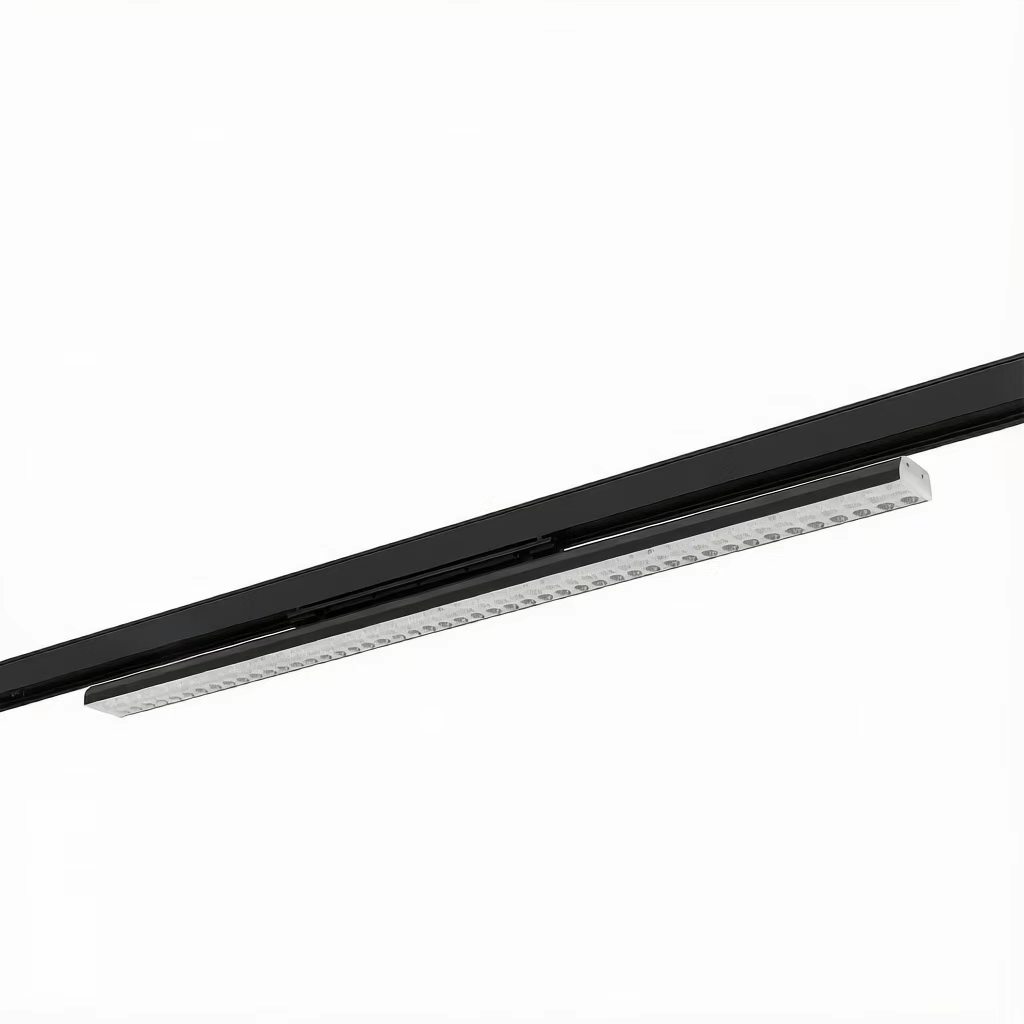
Track Integration: Tracks can be surface-mounted, suspended (using pendants), or recessed (flangeless installation for a minimalist look). Recessed tracks offer the cleanest aesthetic.
7. Performance Standards and Quality Considerations
Not all LED track lights are equal. Specifying a quality fixture is essential for long-term satisfaction and performance.
A. Color Rendering Index (CRI)
While CCT describes the color appearance, CRI describes the fixture’s ability to faithfully reveal the true colors of objects compared to daylight.
Standard CRI (80+): Acceptable for general residential and non-critical commercial spaces.
High CRI (90+): Mandatory for retail, art, museums, medical settings, and anyone who wants their spaces to look vibrant and accurate.
A truly professional CCT track light will maintain a consistent CRI across all selectable CCT settings (2700K, 3000K, and 4000K).
B. Binning and Color Consistency
Poorly manufactured CCT fixtures can suffer from noticeable color differences between units, even at the same setting (e.g., one "3000K" fixture looking warmer than its neighbor). High-quality manufacturers use tight MacAdam Ellipse binning (e.g., a 3-step or 2-step process) to ensure virtually undetectable differences between fixtures.
C. Thermal Management and Driver Reliability
Cylindrical track lights often place the driver (the power supply) directly above the LED array within the housing. Efficient heat dissipation is critical for extending LED and driver life. Quality fixtures feature robust aluminum heatsinks (as suggested by the metal finishes) and specifications for the driver's operating temperature range.
D. Certification and Compliance
Always ensure the fixture carries mandatory certifications for your region, such as:
E. Finish and Aesthetics
The physical appearance of the fixture matters. Sleek designs with robust finishes are necessary. Our referenced fixture’s availability in Black, White, and Gold allows it to blend with or contrast against architectural elements:
White: Minimalist, blends with most ceilings.
Black: Contemporary, industrial look, disappears into exposed black ceilings.
Gold: Adds a touch of luxury, ideal for high-end hospitality or premium retail.
8. Where the CCT track light is used and installed
This section examines how CCT track lighting transforms specific environments.
Case Study: A Contemporary Retail Flagship (e.g., Apparel and Accessories)
Challenge: A dynamic high-street store with frequently changing product lines (summer wear vs. autumn coats, gold jewelry vs. sterling silver).
Solution: Specify H-type multi-circuit track with CCT/Power-switchable fixtures (D85*L140mm).
Implementation:
Main Floor (Apparel): Lights set to 3000K/20W. Smooth dimming capability is used. When neutral tone apparel (grey coats) arrive, fixtures can be quickly re-set (or dimmed down) to 3000K to preserve warmth, rather than making the space look cold.
Window Displays: High-wattage (30W) fixtures with narrow beam angles create dramatic highlights.
Accessories Counter (Jewelry):
Track Layout: Pendent-suspended tracks over the kitchen island and perimeter lighting around the living area.
Kitchen/Work Zone: At 8 AM, the system runs 4000K/30W to promote energy and visibility. At 4 PM (homework), it dims slightly but maintains 4000K.
Living/Relaxation Zone: A "Circadian Schedule" is programmed. At sunset, the lights gradually transition to 2700K and dim to 20% (using the 15W power setting). This prepares the family for sleep. For a dinner party, a "Cozy Scene" (2700K/ dimmed) is activated at the touch of an iPad.
Impact: A single installation provides the perfect lighting solution for every family activity, enhancing both function and comfort, while supporting wellbeing.

9. Conclusion: Lighting for the Future
The shift from fixed-output to dynamic lighting is not a fleeting trend; it is the natural evolution of how we design and inhabit spaces. CCT track lighting, especially when paired with selectable power and advanced dimming, offers a level of control and versatility that was unimaginable just a decade ago.
By prioritizing CCT adaptability, you are not just purchasing a light fixture—you are investing in the capability to rewrite the mood of a room, maximize the appeal of a product, and support human health.
Whether you are designing a high-impact retail environment, a sophisticated museum, or a modern, healthy home, CCT track lighting is the essential foundation for a future-proof lighting design. By understanding the principles and technologies outlined in this guide, you are empowered to make informed, impactful lighting choices that truly illuminate the world around you.
 Tel.+86 15013617190
 Email:info@pustlux.com