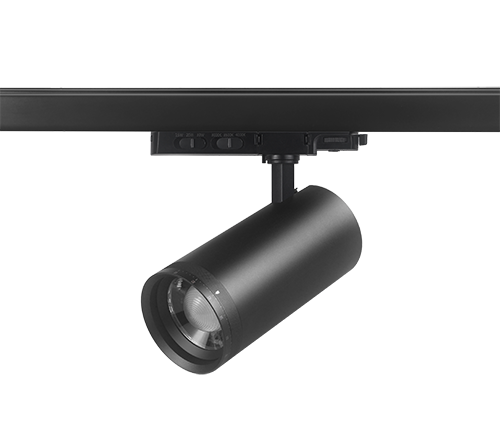
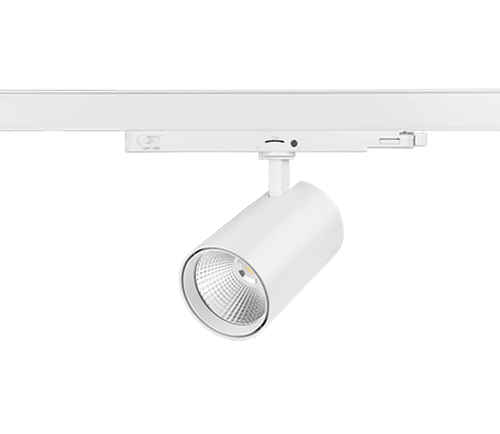
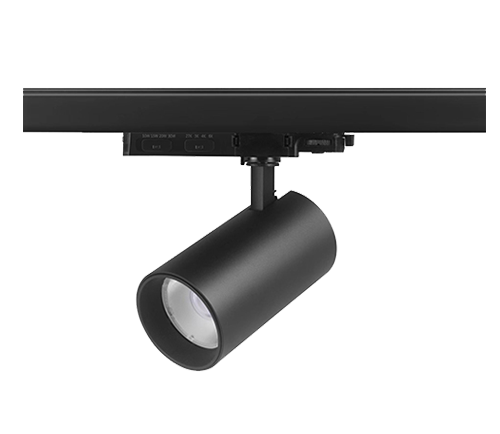
In the evolving landscape of architectural and interior lighting, flexibility is no longer a luxury—it is a necessity. As spaces become increasingly multi-functional, the lighting that illuminates them must adapt. Enter the CCT Adjustable Track Light.
This comprehensive guide explores everything you need to know about Correlated Color Temperature (CCT) adjustable track lighting. Whether you are a commercial lighting designer, a retail business owner, or a homeowner looking to upgrade your ambiance, this 4,500-word deep dive will provide the technical insights and practical advice needed to master this versatile lighting solution.

Table of Contents
Introduction to CCT in Lighting
What is a CCT Adjustable Track Light?
The Science Behind Color Temperature
Key Benefits of CCT Adjustable Track Lighting
Commercial and Residential Applications
Technical Components and How They Work
Choosing the Right CCT Range
Installation and Control Systems
Future Trends in Track Lighting
Conclusion
1. Introduction to CCT in track Lighting
Lighting does more than just banish darkness; it defines the "feel" of a room. For decades, consumers and professionals had to choose a single "bulb color"—either the warm yellow of an incandescent or the clinical blue-white of early fluorescents. Once installed, that choice was permanent unless the fixture was physically replaced.
The advent of LED technology changed the game, and the development of CCT Adjustable (or Selectable) technology has revolutionized the industry. By allowing users to toggle between different white light tones, CCT adjustable track lights have become the gold standard for dynamic environments like art galleries, retail stores, and modern kitchens.
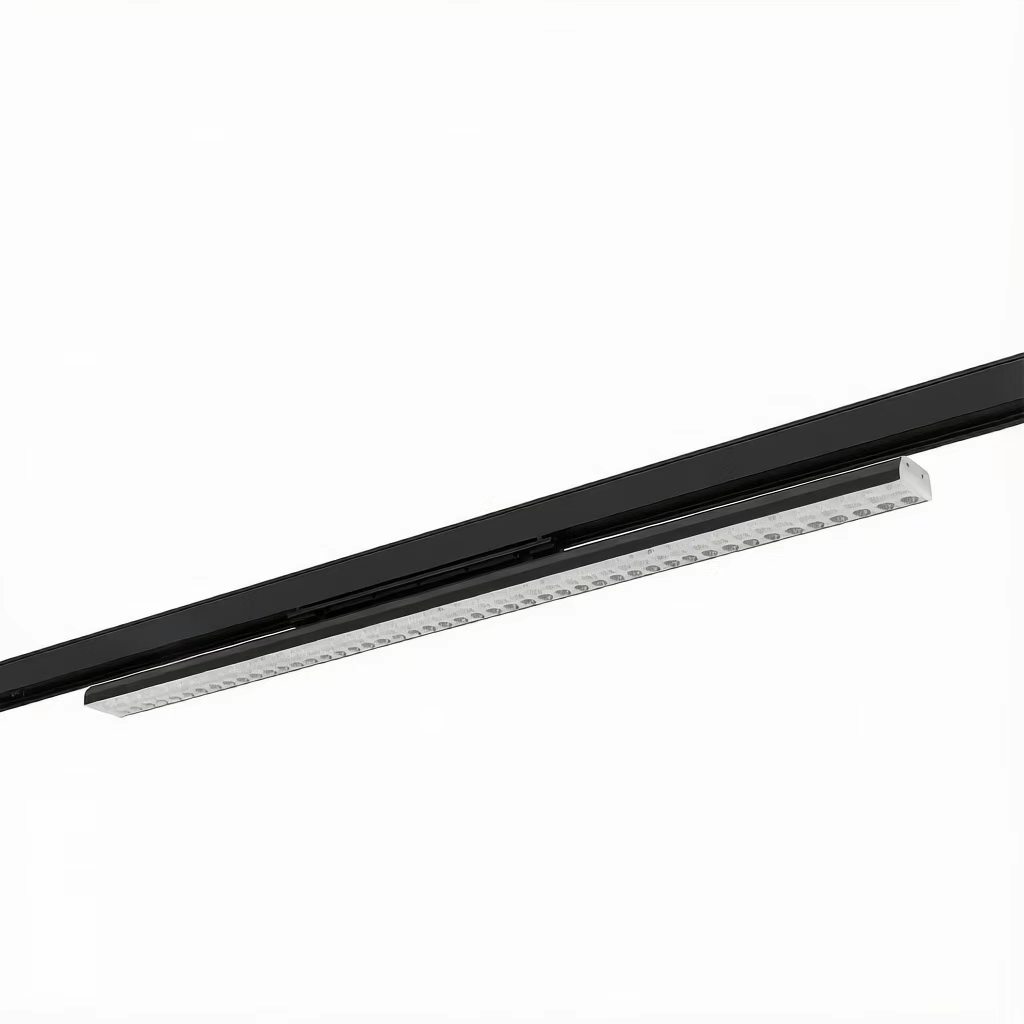
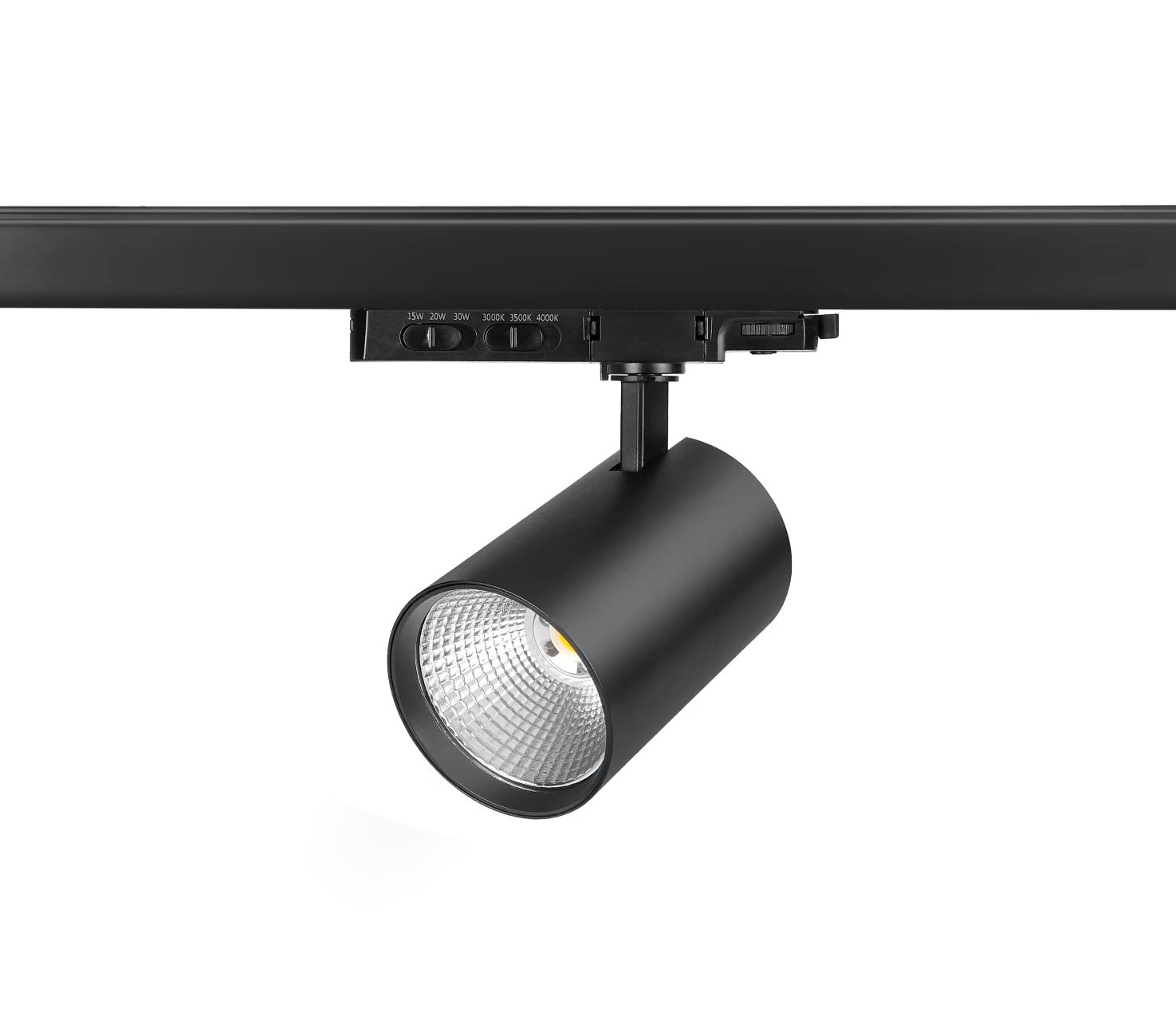
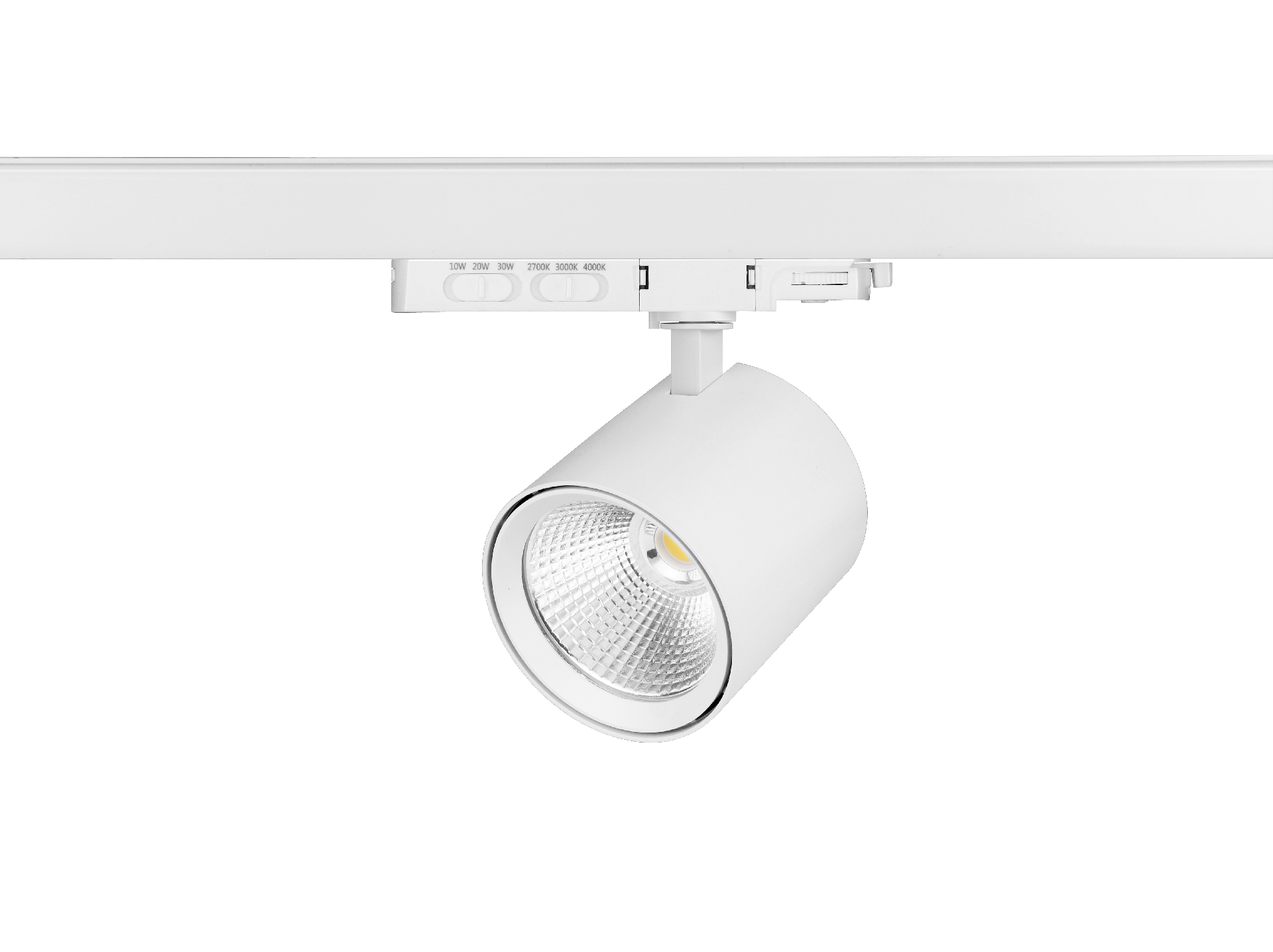
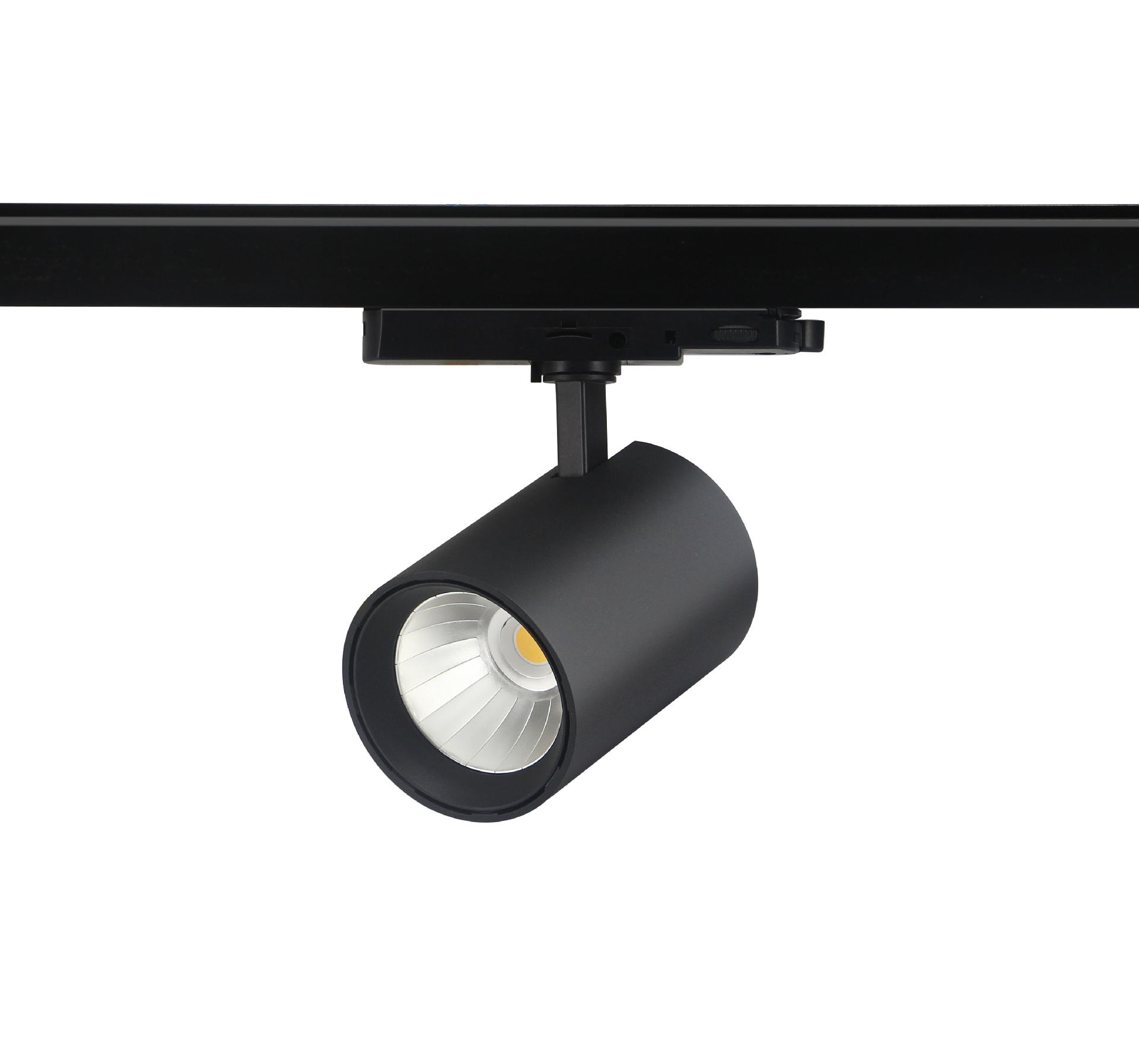
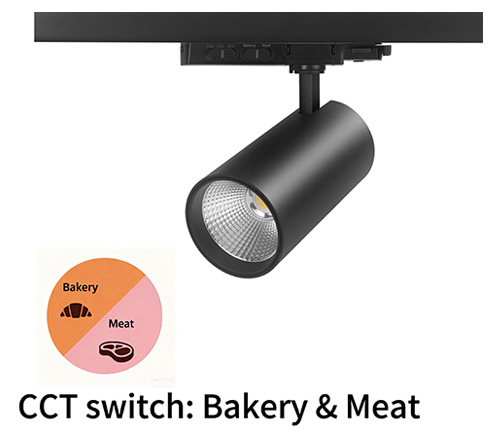
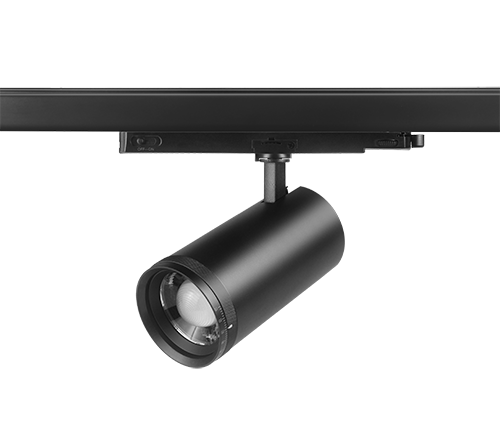
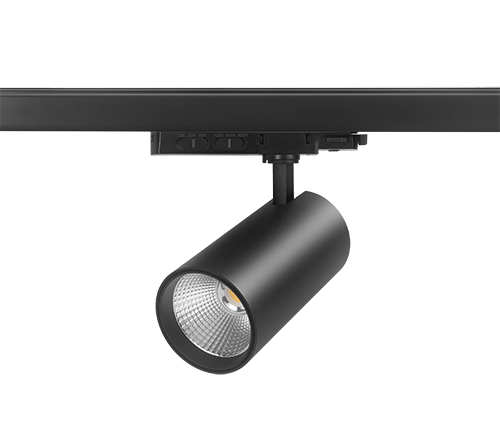
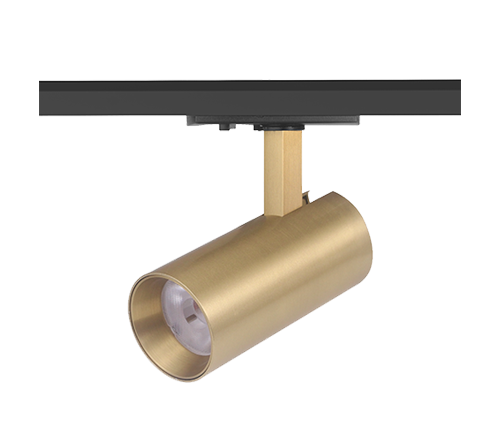
A CCT Adjustable Track Light is a specialized LED luminaire designed to be mounted on a power track system. Its defining feature is a built-in mechanism—usually a physical dip switch on the back of the fixture or a digital control via a remote or app—that allows the user to change the color temperature of the output.
Commonly offered as "3-CCT" or "4-CCT" models, these lights typically allow switching between:
3000K (Warm White): Cozy, inviting, and traditional.
4000K (Neutral White): Clean, modern, and energizing.
5000K+ (Daylight/Cool White): High contrast, crisp, and task-oriented.
By integrating these options into a single SKU (Stock Keeping Unit), manufacturers solve the problem of "wrong color" orders, and users gain the freedom to redefine their atmosphere at any time.
3. The Science Behind Color Temperature
To understand why a CCT adjustable track light is so valuable, we must understand the Kelvin scale.
Understanding the Kelvin Scale
Correlated Color Temperature (CCT) is measured in Kelvin (K). It describes the appearance of the light emitted by a source.
Lower Kelvin (2000K - 3000K): These lights appear more "warm" or yellow/orange. They mimic the sunset or candlelight.
Mid-Range (3500K - 4500K): These are considered "neutral." They don't lean too heavily toward yellow or blue.
Higher Kelvin (5000K - 6500K): These appear "cool" or bluish-white, mimicking natural midday sunlight.
Circadian Rhythm and Human Centric Lighting (HCL)
Modern research shows that color temperature significantly impacts human biology. Warm light promotes melatonin production, helping us relax. Cool blue-toned light suppresses melatonin and boosts cortisol, improving focus and alertness. CCT adjustable track lights allow for "Human Centric Lighting" designs where the light temperature can be shifted to match the natural progression of the day.
Why choose CCT adjustable fixtures over fixed-temperature models? The advantages span logistics, design, and economics.
A. Inventory and Logistics Efficiency
For contractors and distributors, stocking fixed-CCT lights is a nightmare. You need three times the warehouse space to hold 3000K, 4000K, and 5000K versions of the same light. A CCT adjustable track light reduces inventory complexity, ensuring the right light is always in stock.
B. Aesthetic Versatility
Interior design is rarely static. You might paint a wall blue today and replace it with warm wood panels next year. A 5000K light that looked great on blue paint might make wood look dull. With CCT adjustability, you simply flip a switch to 3000K to bring out the richness of the wood grains.
C. Psychological Comfort
In office environments, workers often have different preferences. While some prefer the "daylight" feel for productivity, others find it straining. CCT adjustable systems allow for zoning, where different areas of a track can be set to different temperatures to satisfy diverse needs.
D. Highlight Accuracy
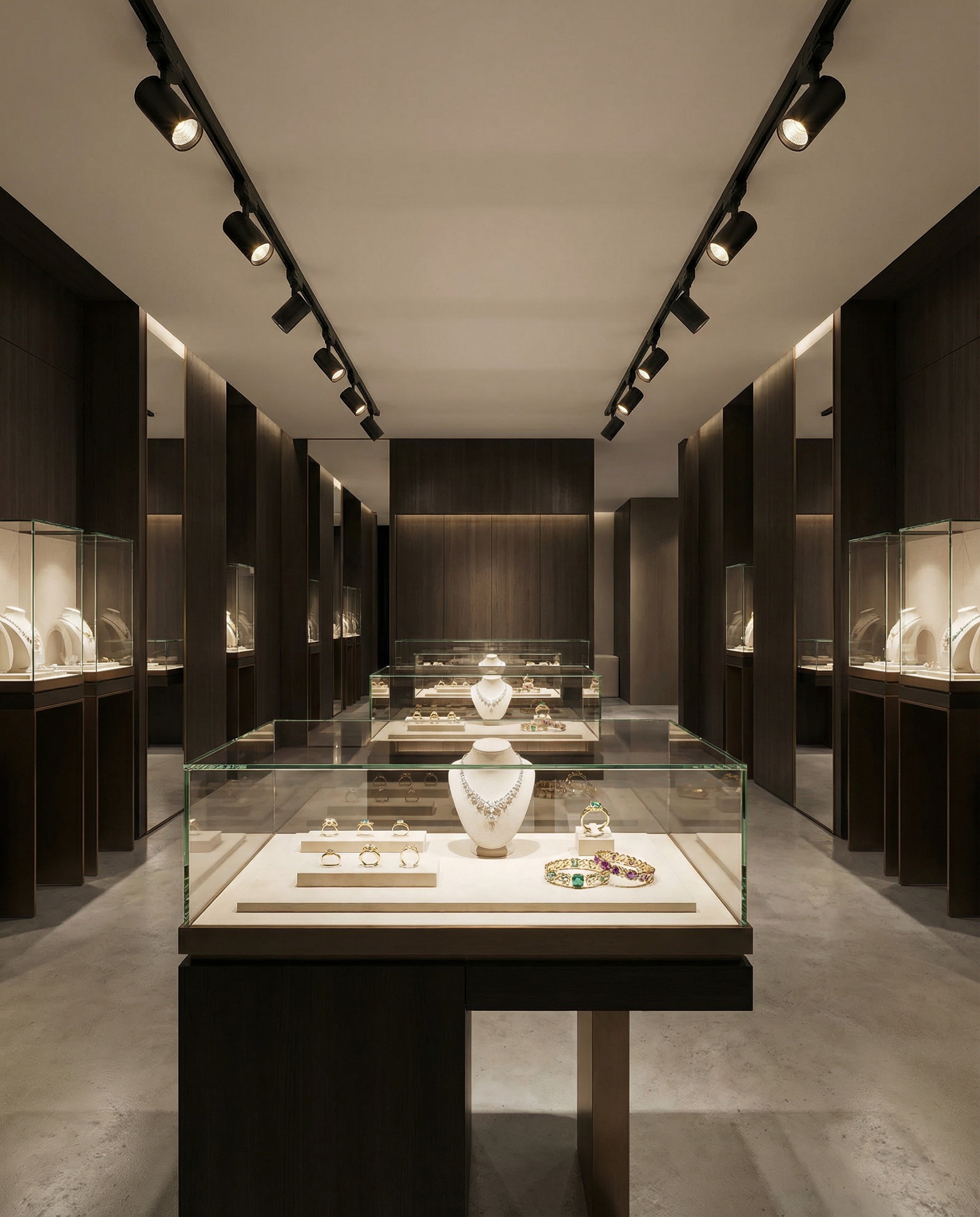
In retail, the color of the light can literally sell the product. A jewelry store might use 5000K to make diamonds sparkle, while a bakery uses 2700K to make bread look golden and fresh. CCT adjustable track lights allow retailers to change their inventory without changing their lighting hardware.
5. Commercial and Residential Applications
The versatility of the CCT adjustable track light makes it suitable for almost any high-ceiling or accent-lighting scenario.
Retail Stores and Boutiques
Retail is the primary driver for track lighting. Seasonal displays change frequently. A summer clothing line looks best under 4000K (neutral/bright), while a winter collection of wool coats might look more luxurious under 3000K.
Art Galleries and Museums
Different mediums of art require different light. Oil paintings often benefit from warmer tones to highlight earthy pigments, while contemporary photography or blue-toned sculptures may pop under cooler light. CCT adjustability ensures the art—not the fixture—is the focus.

Residential Kitchens and Living Rooms
Track lighting is a favorite for modern "industrial" or "minimalist" home designs. In a kitchen, you might want 4000K for food prep (task lighting) but want to dim the lights and switch to 2700K for a dinner party (ambiance).
Hospitality (Hotels and Restaurants)
Lobbies often serve as bright workspaces during the day and moody lounges at night. CCT adjustable track lights integrated with smart controls can automate this transition.

6. Technical Components and How the CCT track lights Work
What goes on inside a CCT adjustable fixture? It is more complex than a standard LED.
The Multi-Chip LED Array
Inside the COB (Chip on Board) or SMD (Surface Mounted Device) array, there are actually two types of LED chips: warm-white and cool-white. When you select a specific CCT:
Warmest Setting: Only the warm chips are powered.
Coolest Setting: Only the cool chips are powered.
Neutral Setting: Both sets of chips are powered at varying intensities to "mix" the light to the desired Kelvin.
The Driver
The LED driver must be sophisticated enough to manage the power distribution between these two sets of chips while maintaining consistent lumen output and preventing flicker. High-quality CCT adjustable track light drivers ensure that the brightness (lumens) doesn't significantly drop when you change colors.
The Housing and Heat Sink
Because these fixtures often run two sets of LEDs, thermal management is critical. Premium track lights use die-cast aluminum heat sinks to dissipate heat, ensuring the LEDs last their rated 50,000 hours.
7. Choosing the Right CCT Range
When shopping for CCT adjustable track lights, you will encounter different ranges. Here is how to choose:
Range | Best For |
|---|
2700K - 3000K | Bedrooms, high-end restaurants, residential living areas, vintage boutiques. |
3500K - 4500K | Offices, showrooms, kitchens, grocery stores, pharmacies. |
5000K - 6500K | Hospitals, high-detail task areas, jewelry stores, garages, outdoor-simulated environments. |
Pro Tip: Look for a high CRI (Color Rendering Index). A CCT adjustable light is only as good as its ability to show colors accurately. Aim for CRI >90, especially for retail and gallery use.
8. Installation and Control Systems
Installation of a CCT adjustable track light is similar to standard track lighting, but with a few extra considerations for the "adjustment" part.
Physical Switch
Manual Switch: The most common and cost-effective. You set the CCT during installation. If you want to change it later, you need a ladder.
Track Compatibility
Ensure your fixture matches your track type. The three most common standards are H-Type, J-Type, and L-Type. A CCT adjustable fixture must have the correct adapter to lock into your existing rail.
9. Future Trends in Track Lighting
The "CCT Adjustable" trend is just the beginning. The next frontier includes:
Full Spectrum RGB+CCT: Not just whites, but any color in the rainbow.
AI-Driven Lighting: Sensors that detect the color of the floor or walls and automatically adjust the light CCT to maximize aesthetic appeal.
Sustainable Materials: Moving away from heavy plastics toward recycled aluminum and biodegradable components.
10. Conclusion
The CCT adjustable track light represents the pinnacle of modern lighting flexibility. By consolidating multiple color options into a single, sleek fixture, it empowers users to take control of their environment's mood, productivity, and visual accuracy.
For businesses, it’s a tool for better sales and lower inventory costs. For homeowners, it’s a way to future-proof their interior design. As we move toward more personalized and healthy living spaces, the ability to adjust light color temperature will remain a cornerstone of architectural lighting design.
 Tel.+86 15013617190
 Email:info@pustlux.com