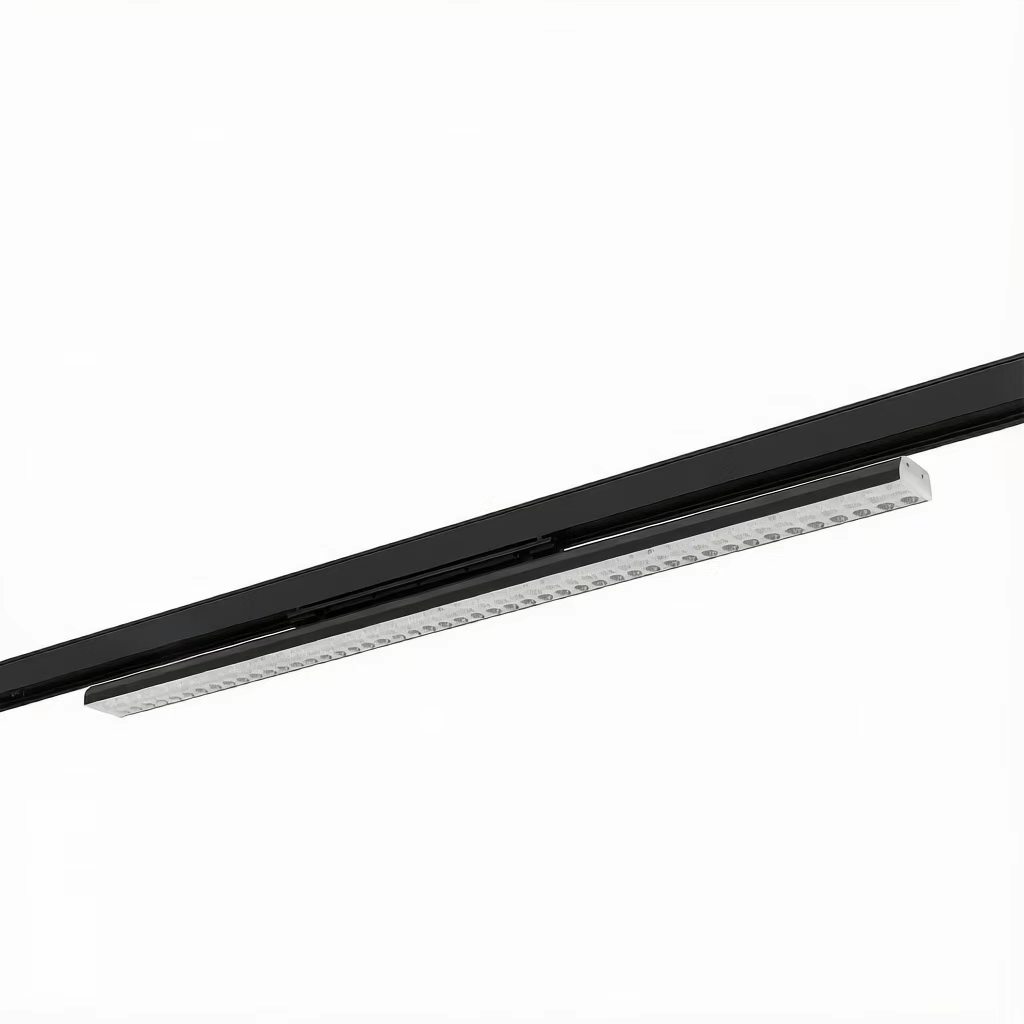
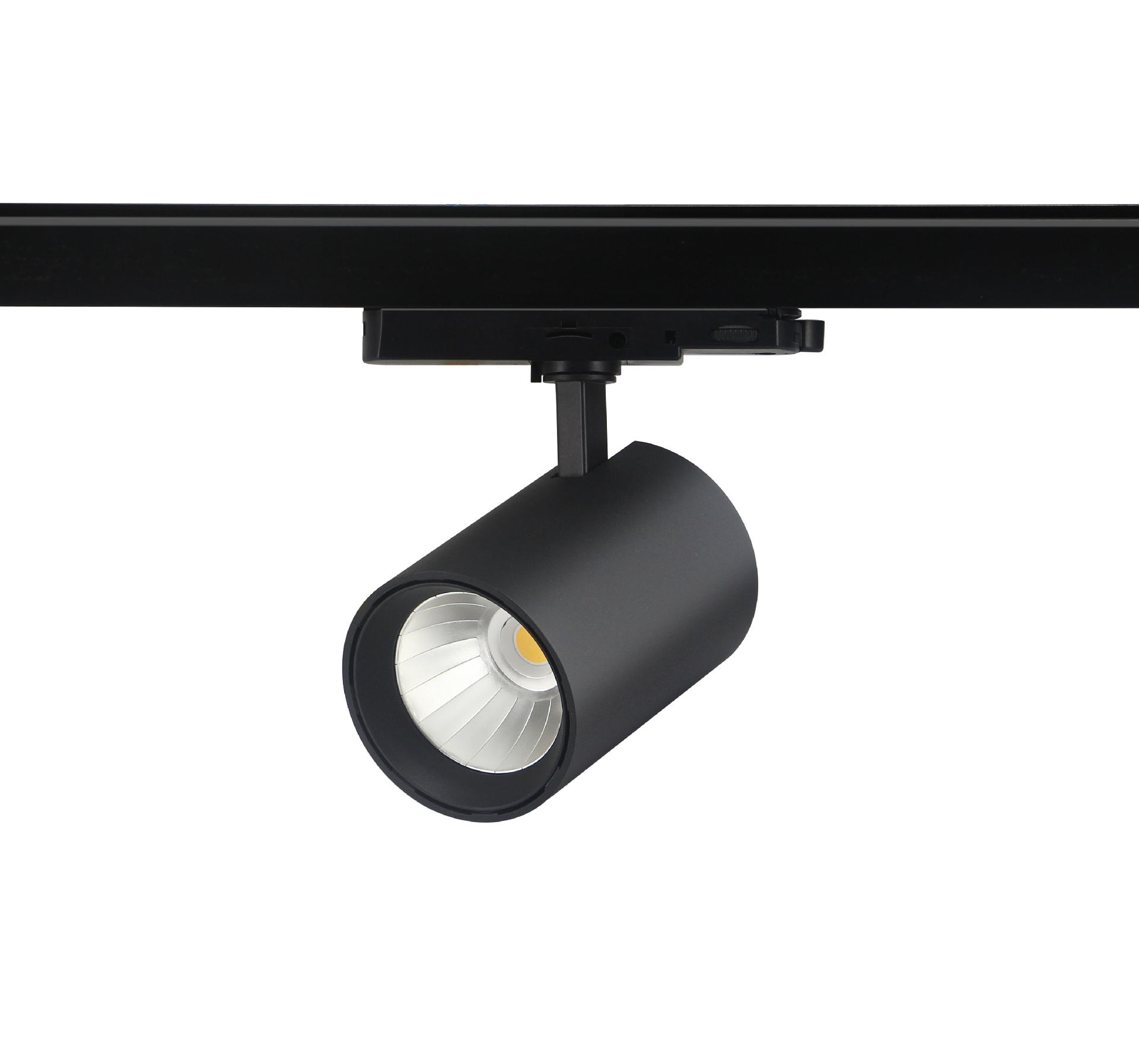
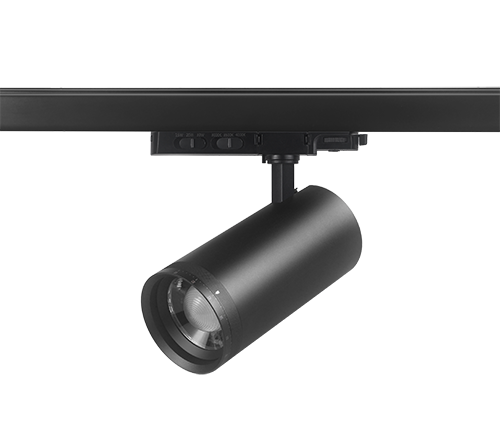
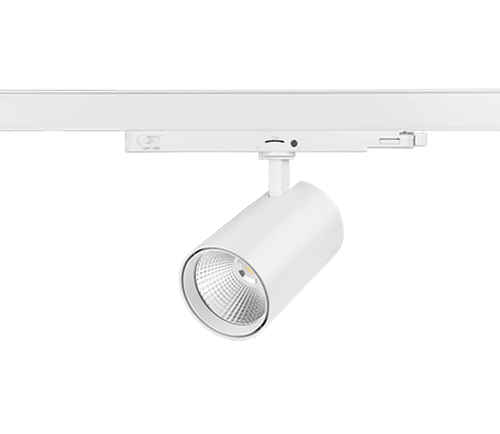
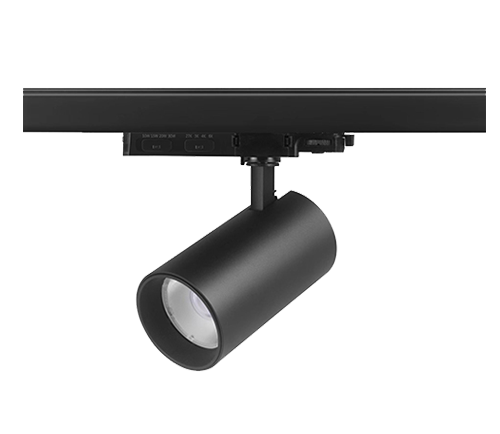
The Ultimate Museum-Grade Solution: Why 3CCT & Power-Switchable TRIAC Track Lights are the Future of Gallery Lighting
In the sophisticated world of art curation, the dialogue between the observer and the masterpiece is dictated by one invisible force: Light. For decades, museum lighting required a trade-off between aesthetic fidelity and operational flexibility. Gallerists were forced to choose between fixed color temperatures that might not suit future exhibits, or complex, expensive control systems that required constant maintenance.
As we navigate 2026, a new paradigm has emerged. The All-in-One 3CCT & Power-Switchable TRIAC LED Track Light represents the pinnacle of this evolution. By integrating variable wattage, adjustable color temperatures, and high-fidelity triac dimming into a single fixture, this technology is not just illuminating art—it is future-proofing the cultural institutions that house it.

1. The "Single Fixture" Revolution: Solving the Inventory Crisis with 3CCT Track Light
For years, lighting distributors and gallery managers faced a logistical nightmare: stocking dozens of different SKU (Stock Keeping Units) to account for varying ceiling heights and art types. A 15W 3000K light for a small hallway; a 30W 4000K light for a large mural.
The All-in-One Advantage
The introduction of Power-Switchable and 3CCT (Correlated Color Temperature) technology track light has fundamentally changed the supply chain.
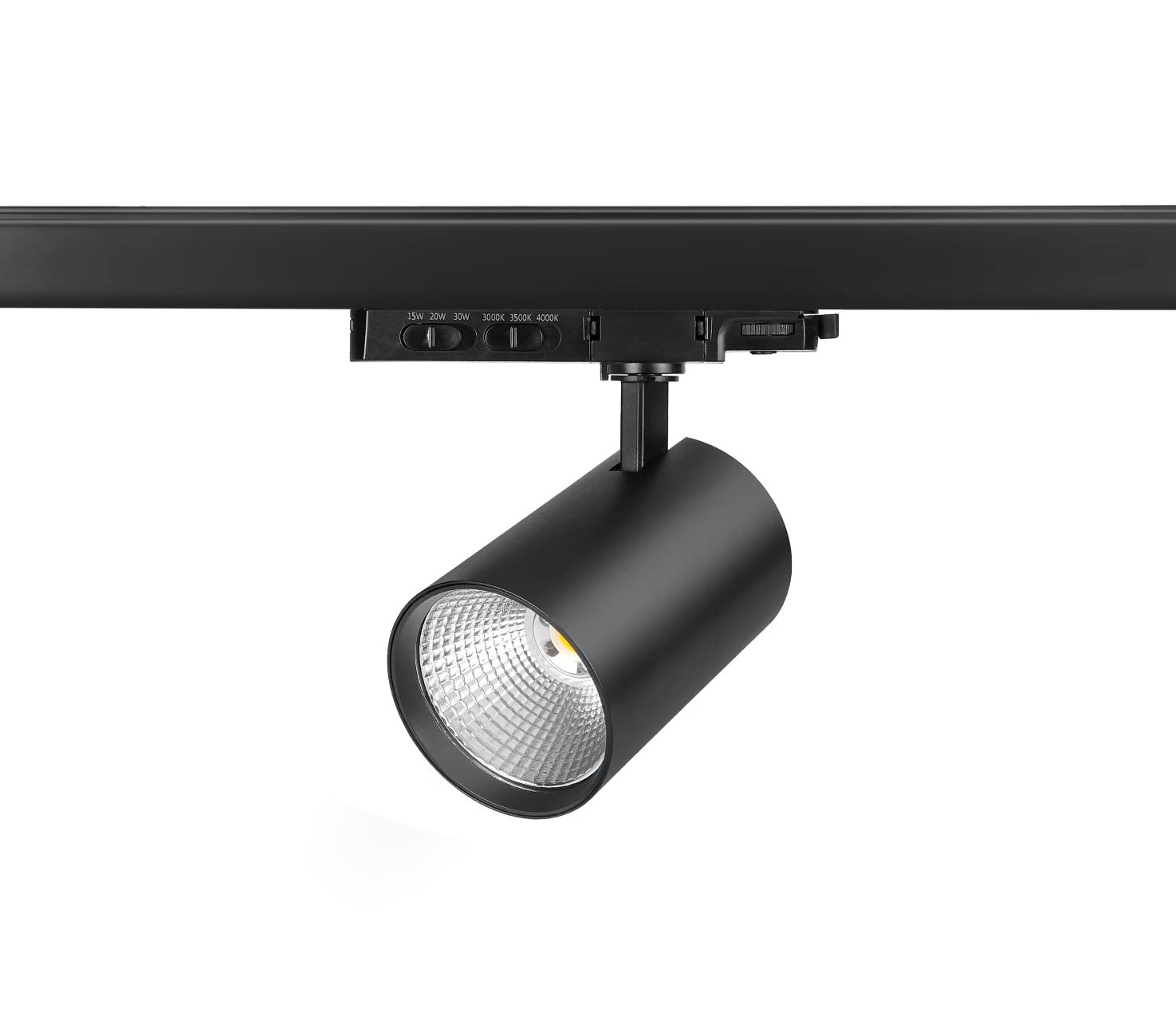
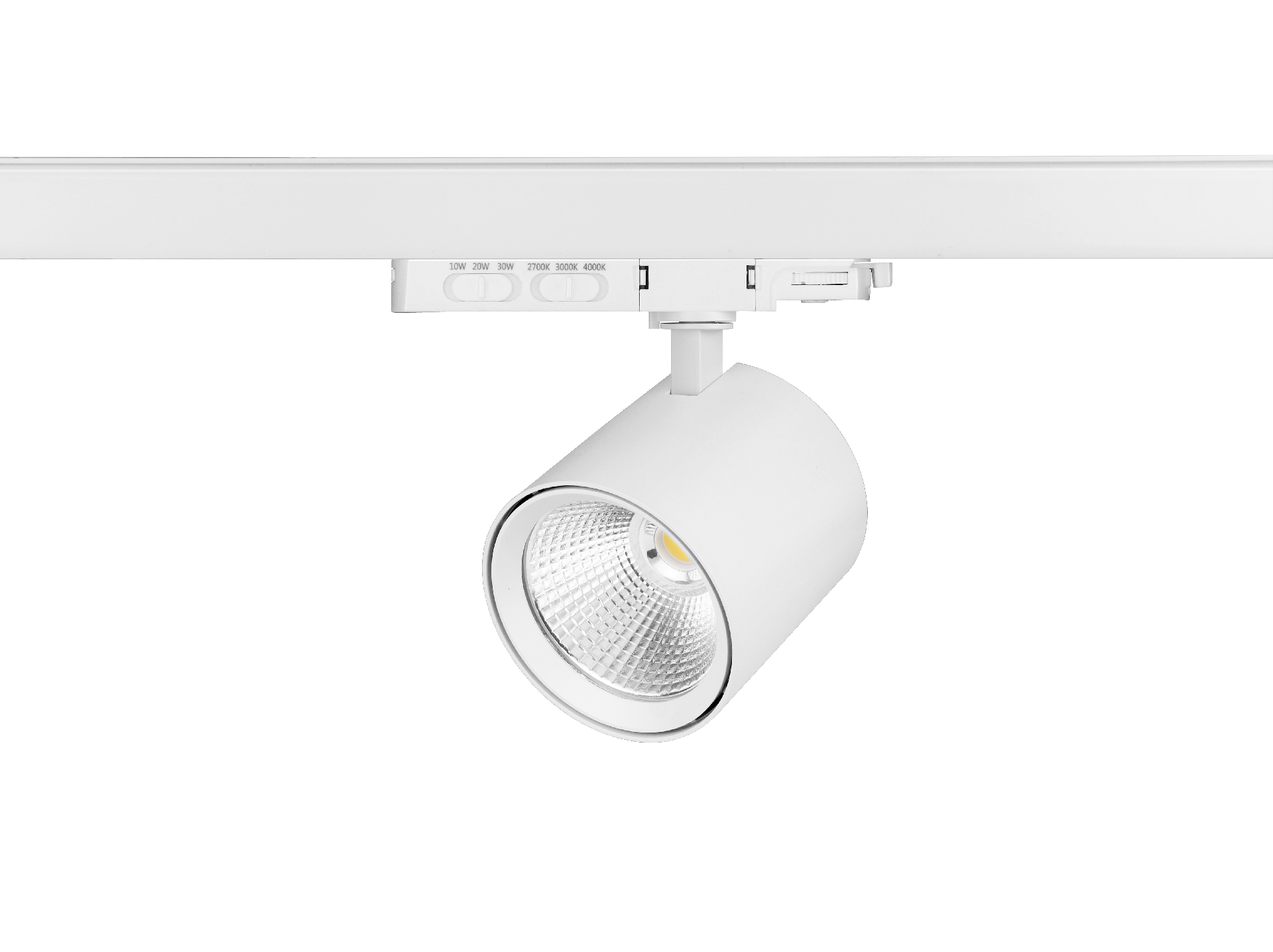
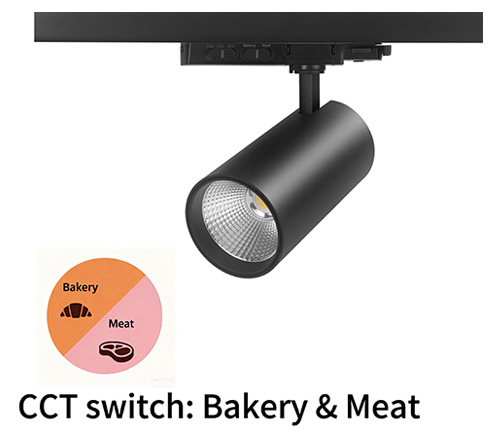
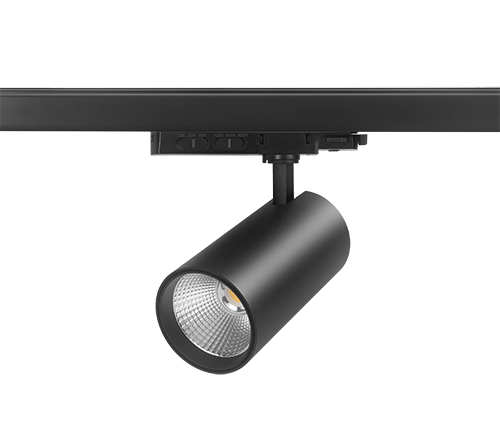
Stock Efficiency: Instead of three different lights, users now stock just one piece. By adjusting the integrated toggles on the track adapter, a single unit can serve as a soft 15W accent light or a powerful 30W floodlight.
On-Site Adaptability: Curators no longer need to guess which light will look best. They can test 3000K, 4000K, and 5000K settings directly on the artwork during the installation phase, ensuring perfect visual harmony every time.
2. Technical Mastery: Light Quality for improving space lighting with the CCT track light
Museum-grade lighting is defined by its ability to render color with absolute truth. When a light fails to provide a full spectrum, the artist’s intent is lost.
Beyond CRI: The R9 and TM-30 Standards
While standard commercial LEDs offer a CRI of 80, the Ultimate Museum-Grade Solution demands a CRI of 97+.
R9 Excellence: Saturated red (R9) is the hardest color for LEDs to reproduce. Our system maintains an R9 > 95, ensuring that oil paintings, skin tones, and vibrant textiles appear rich and deep rather than grey or "muddy."
Color Consistency (MacAdam Ellipse): In a long gallery corridor, even a slight shift in white balance between two fixtures is jarring. Utilizing a <3-Step MacAdam Ellipse ensures that every light on the track rail is visually identical.
Preservation: Managing the Spectral Power Distribution (SPD)
Light is energy, and energy can be destructive. Standard LEDs often suffer from a "Blue Spike," which can accelerate the fading of sensitive pigments. Our museum-grade fixtures utilize specialized violet-chip technology to create a "Sun-like" spectrum that eliminates harmful UV peaks, staying well within the safe 90-100 mW/lm threshold for photochemical safety.
3. The Power of TRIAC: Why Hardwired Dimming Still Wins in the commercial lighting with the CCT track light
In an era of modern lighting, why is TRIAC (Phase-Cut) Dimming the future of gallery lighting? The answer lies in Reliability and Legacy Compatibility.
Zero-Latency Performance
The convenient systems can be prone to interference, especially in crowded galleries where hundreds of visitors carry mobile devices. A TRIAC dimmable track system uses the physical dimmer to transmit dimming signals. It is 100% stable, zero-latency, and immune to signal drops, which will be more convenient for operators
Smooth, Flicker-Free Transitions
High-end galleries require deep dimming—often down to 1% for sensitive paper-based works. Our TRIAC drivers are engineered for flicker-free performance, ensuring that the light remains perfectly steady. This is critical not just for the human eye, but for professional photography and high-definition videography during gallery openings.
4. Optical Precision: Painting with Light
A museum-grade light must be a surgical tool. It should put light exactly where it is needed and nowhere else.
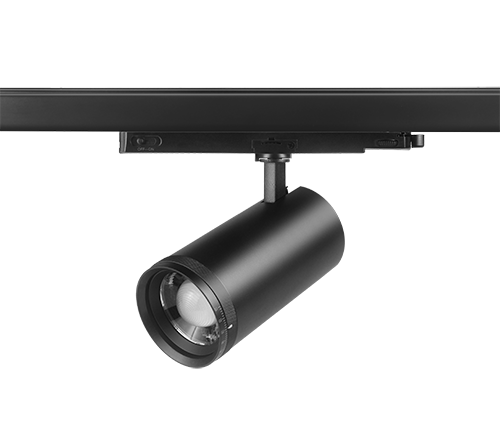
Interchangeable Lens/reflector System: Our fixtures feature tool-free, swappable optics (15°, 24°, 36°, 60°). This allows a curator to switch from a "Pin-Spot" for a sculpture to a "Wall Wash" for a mural in seconds.
Deep-Regressed COB Design: By placing the light source deep within the housing, we achieve a UGR < 19, meaning the viewer sees the glowing artwork, not the glare of the lamp.
5. Comprehensive Technical Specification Table for the CCT track light
This table represents the professional requirements for a 2026 Museum-Grade installation.
| Feature | Museum-Grade Requirement | Technical Advantage |
| CCT Range | 3CCT Selectable (2700K / 4000K / 5000K) | Adaptability for classical vs. modern art. |
| Power Range | Switchable Watts (15W / 20W / 30W) | One SKU meets all ceiling height needs. |
| CRI / R9 | Ra 97+ / R9 95+ | Reveals the true depth of the artist's palette. |
| Dimming Type | TRIAC Dimmable (1% - 100%) | Hardwired reliability and legacy compatibility. |
| Beam Options | 15°, 24°, 36°, 60° (Interchangeable) | Precision accentuation and uniform wall washing. |
| Color Fidelity | < 3-Step MacAdam Ellipse | Uniform color across the entire track system. |
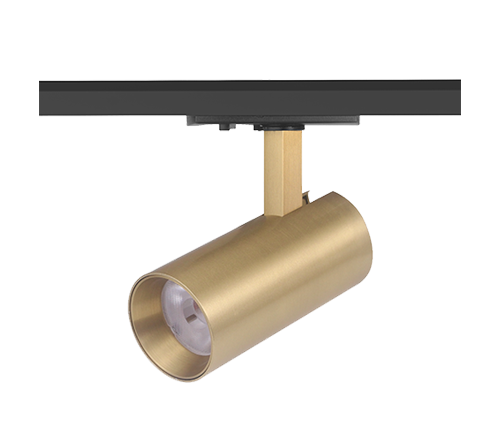
| Colors | White/Black/Gold | Different lighting color options |
| Efficiency | 110 - 120 lm/W | Low operational costs for 24/7 institutions. |
| Lifespan | L80 B10 > 50,000 Hours | Decades of maintenance-free operation. |
With all the functions in one light, the operators can just to switch the bottom one the track adapter to change the POWER and Color temp according to the lighting needs for certain arts.
6. Installation Strategy: The Professional guide for the installation of CCT track light
Even the best light will fail if positioned incorrectly. In a gallery setting, we follow the 30-Degree Rule:
The Goal: Prevent the viewer's shadow from falling on the art and eliminate reflections on protective glass.
The Math: For a standard 10ft ceiling, the track should be mounted 3ft to 4ft from the wall. This hits the art at a 30° angle, emphasizing the texture of the brushstrokes without creating harsh shadows or "veiling reflections."
7. The "Expert" Section: Frequently Asked Questions about the CCT track light
Q1: Why should I choose 3CCT over a fixed color light?
A: Art exhibitions are rarely permanent. A gallery that shows gold-leaf Renaissance paintings today (best at 2700K) may show modern photography tomorrow (best at 4000K). A 3CCT system ensures you never have to replace your fixtures when your exhibit changes.
Q2: Does TRIAC dimming work with smart home or building systems?
A: Absolutely. TRIAC is the most widely compatible dimming protocol in the world. It works seamlessly with high-end architectural systems like Lutron, Leviton, and Crestron, as well as standard wall dimmers.
Q3: Is the "Power-Switchable" feature safe for the LEDs?
A: Yes. The power-switchable driver is designed to regulate current precisely at each setting. Running a fixture at 15W or 20W actually extends the lifespan of the LED chip further by reducing heat load.
Q4: How do these lights protect against "fading" of sensitive art?
A: Our museum-grade LEDs are engineered with a specific phosphor coating that minimizes the "Blue Light Spike" found in cheap LEDs. Combined with our low-wattage settings and dimming capabilities, you can maintain Lux levels that meet strict conservation standards.
Q5: Can I change the beam angle myself?
A: Yes. Our tool-free interchangeable lens/reflector system allows anyone to twist off the front ring and swap lenses (15° to 60°) in under 30 seconds.
8. Conclusion: The Smart Curator’s Choice over the CCT track light
Choosing the Ultimate Museum-Grade Solution is about more than just aesthetics; it is a strategic business decision. By utilizing 3CCT and Power-Switchable TRIAC Track Lights, galleries can drastically reduce their inventory costs, simplify their installation process, and provide the highest possible level of care for their collections.
In 2026, excellence in lighting is no longer a luxury—it is a standard. Ensure your gallery breathes with the life, color, and precision it deserves.
 Tel.+86 15013617190
 Email:info@pustlux.com