In the realm of high-end commercial design and art curation, lighting has evolved far beyond simple illumination. How can light precision-carve the details of a masterpiece? How do we balance visual aesthetics with the preservation of delicate artifacts?
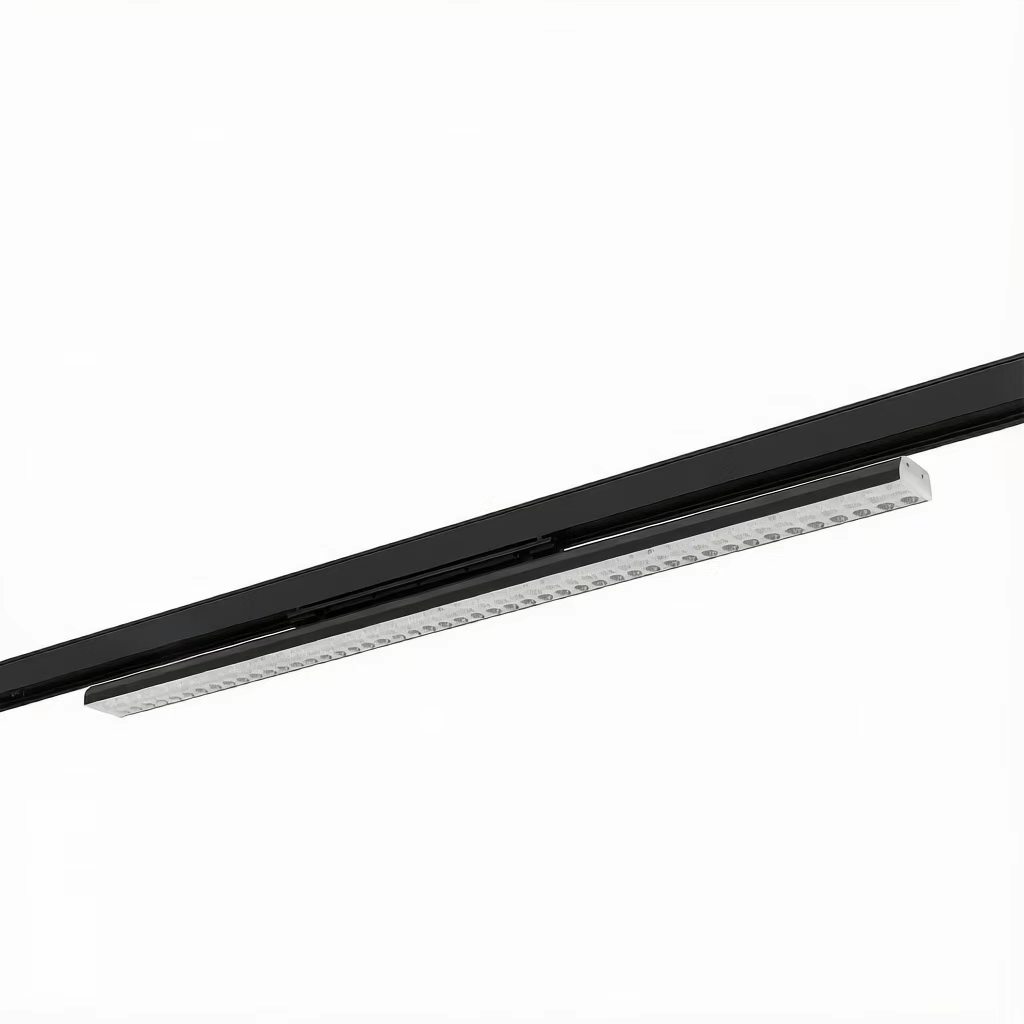
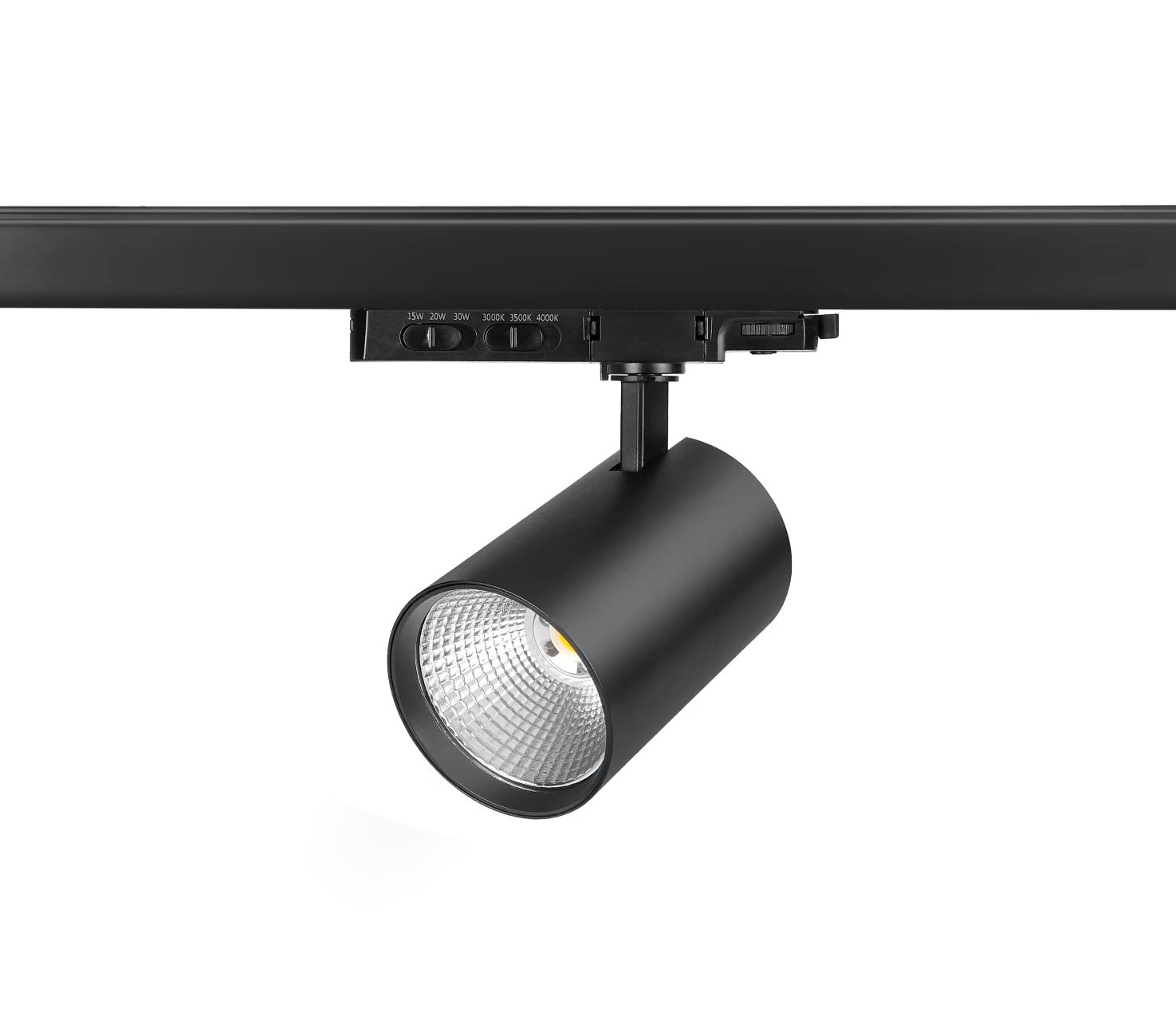
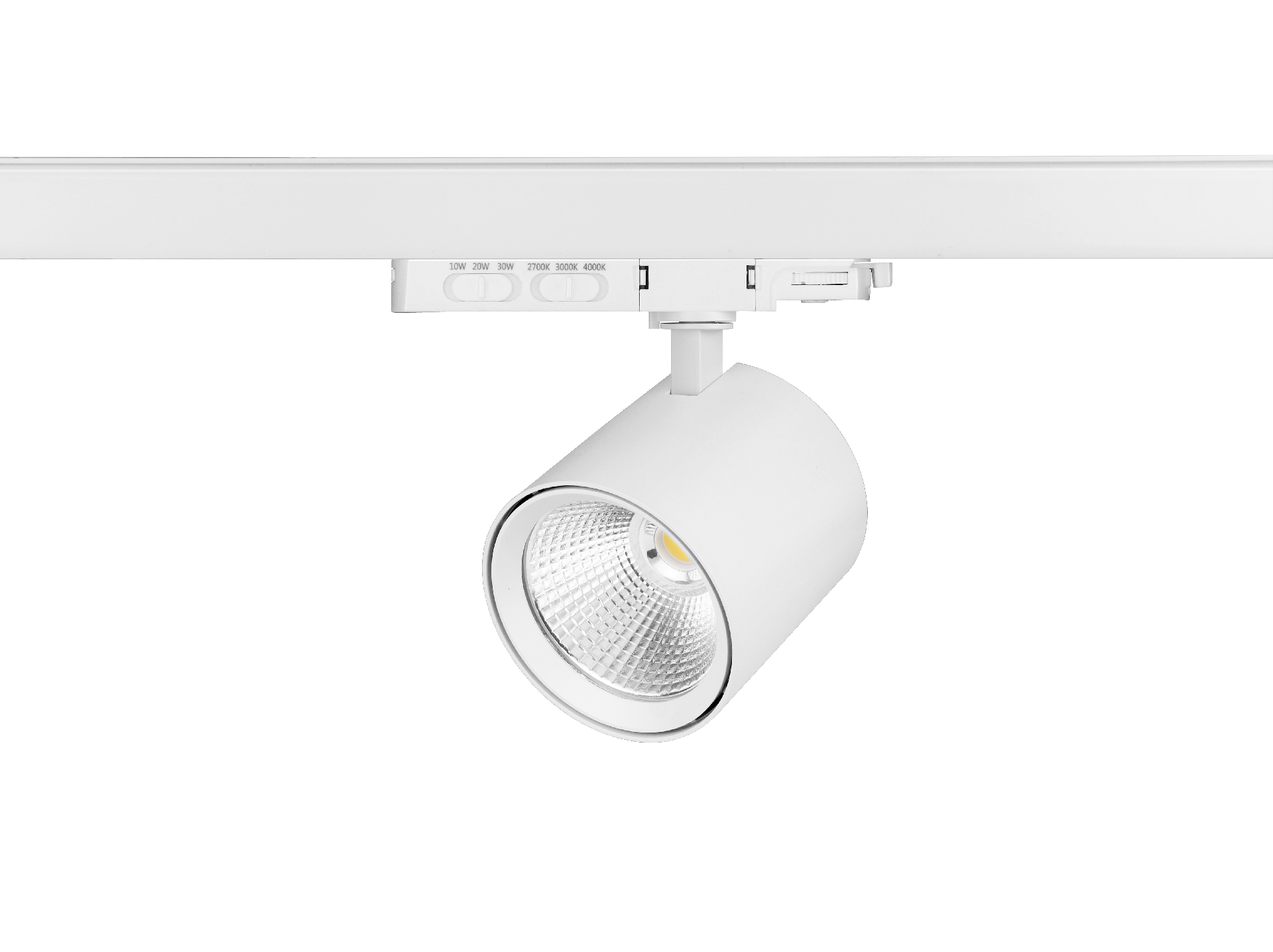
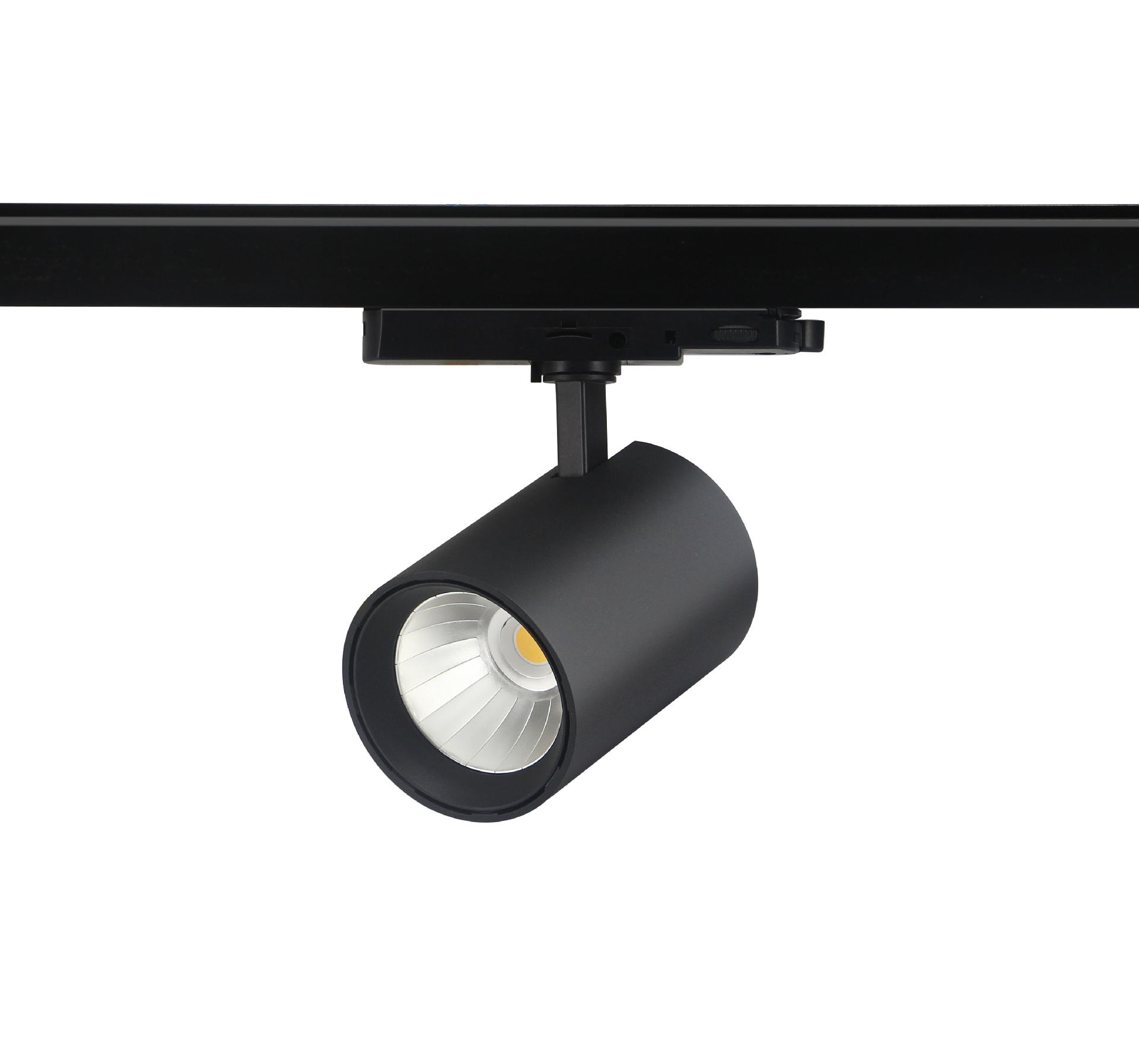
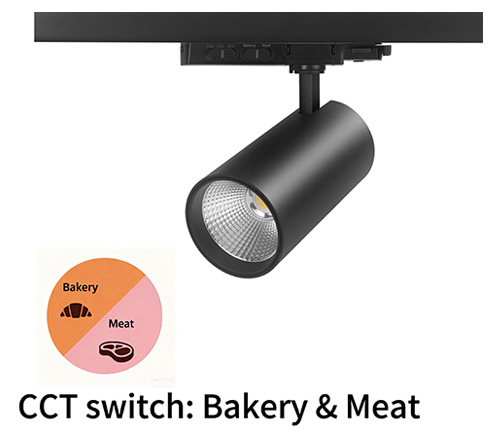
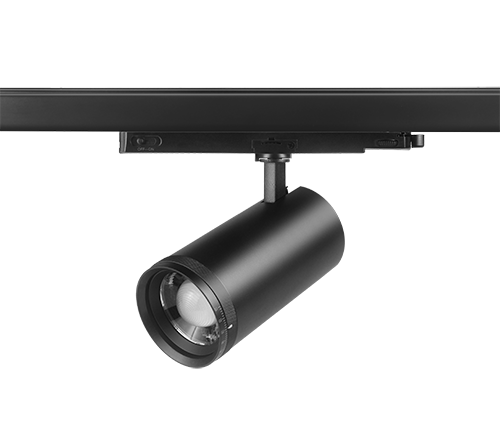
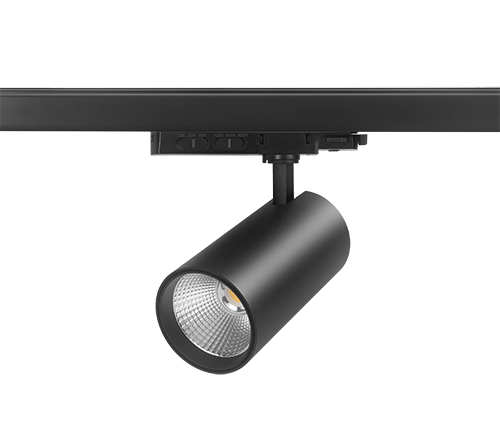
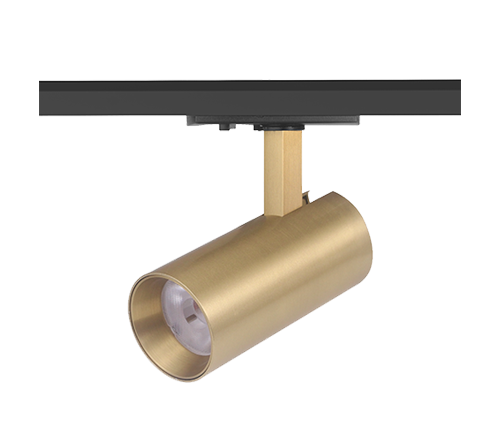
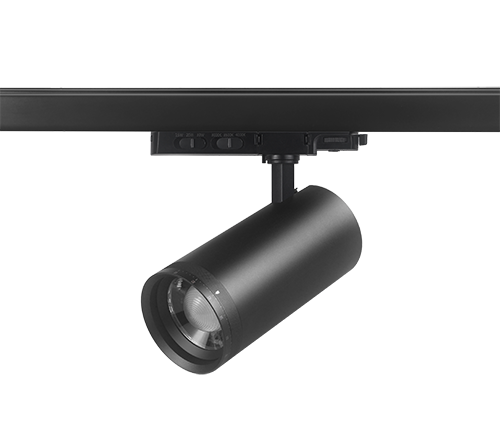
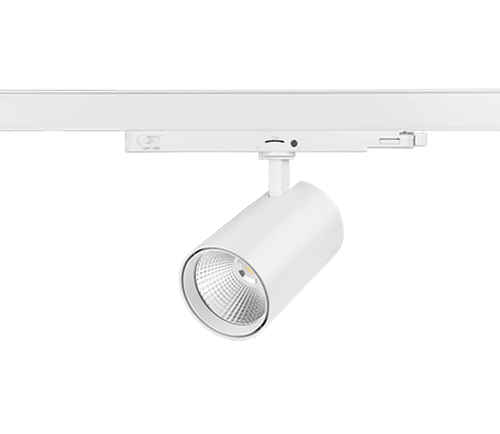
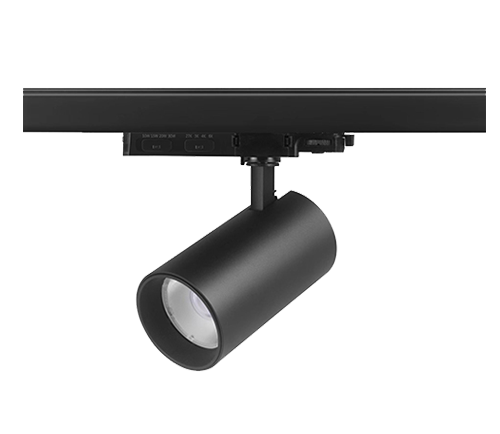
The Pust Lighting's CCT LED Track Light is engineered to answer these critical questions. As a benchmark for museum-grade lighting in 2026, the 3CCT track light integrates high-performance LED technology with precision optics and advanced dimming protocols.
This guide explores why the 3CCT track light is the definitive choice for professional art environments.
For galleries, faithful color reproduction is the highest priority. The Pust Lighting's CCT LED Track Light utilizes premium COB (Chip-on-Board) technology, maintaining a Color Rendering Index (CRI) of 95+.
Even more critical is the R9 value (saturated red). In oil paintings, historical textiles, and portraiture, red spectrum saturation dictates the "vibrancy" of the piece. The 3CCT track light optimizes R9 levels to ensure that every stroke of red and every skin tone appears exactly as the artist intended.
Different exhibits require different light distributions. The 3CCT track light offers multiple optical lens options:
24° Narrow Beam: Ideal for sculptures or small artifacts, creating dramatic contrast with high center-beam candlepower.
36° Medium Beam: The "all-rounder" for commercial retail and standard-sized paintings.
60° Wide Beam: Perfect for wall washing or ambient lighting, ensuring soft transitions without harsh shadows.
Exhibition layouts are dynamic. The 3CCT track light accommodates this with:
350° Horizontal Rotation
90° Vertical Tilt
This allows curators to reposition light beams without reinstalling tracks, significantly reducing labor costs during exhibition turnovers.
The lifespan and color stability of an LED depend on heat dissipation. The 3CCT track light features colod-forging aluminum with an integrated extrusion design. This maximizes surface area, ensuring the chip operates within safe temperature limits even during 24/7 operation, extending the lifespan to over 50,000 hours.
In 2026, manual dimming is no longer sufficient for professional venues. The 3CCT track light supports global mainstream smart protocols:
DALI-2 (Digital Addressable Lighting Interface): The industry standard for large-scale museums. It allows for individual lamp addressing, enabling curators to set precise lux levels (e.g., 50 Lux for paper, 200 Lux for oil) via a central tablet.
Triac Dimming: Ideal for retrofitting historic buildings where adjustable lightiness is needed. Control your entire gallery's lighting scenes via switch.
Q1: Why is the Pust Lighting's CCT LED Track Light considered a museum-grade track light?
A: The CCT track light meets the "Gold Standard" of museum lighting: a CRI Ra≥95 for color accuracy, R9>90 for deep red rendering, support for DALI-2/Casambi dimming for precise lux control.
Q2: Can the Pust Lighting's CCT LED Track Light be used for high-end jewelry retail?
A: Absolutely. Its high-intensity center beam and switchable CCT in 2700K-3000K- 4000K color temperature options make it exceptional for highlighting the fire in diamonds and the luster of precious metals, significantly enhancing the perceived value of merchandise.
Q3: What beam angle should I choose for a standard 1-meter wide painting?
A: For a standard gallery ceiling height (approx. 3-4 meters), a 38° beam angle is recommended. It provides enough coverage for the canvas while maintaining a focused "pop" that separates the art from the wall.
Q4: Is the 3CCT track light compatible with existing track systems?
A: Pustlux offers various adapters (2-wire, 3-wire, or 4-wire/3-phase) to ensure the TL09 is compatible with most global track brands, making it an ideal choice for both new builds and upgrades.
Q5: How does the 3CCT track light contribute to museum energy efficiency?
A: By utilizing high-lumen-per-watt COB LEDs and smart sensors (via DALI or Triac), the 3CCT track light can reduce energy consumption by up to 70% compared to traditional halogen museum lights, while offering a much longer maintenance-free lifecycle.