Industry news

Industry news

What is Dimmable CCT Track Lighting for Museum Lighting: Best Guide 2026
2026-04-23 14:51:02

As we move through 2026, the philosophy of museum lighting has shifted from "static illumination" to "dynamic storytelling." The cornerstone of this revolution is Dimmable CCT (Correlated Color Temperature) Track Lighting.

For curators and lighting designers, this technology is no longer a luxury—it is a requirement for modern conservation and immersive exhibition design.

Showroom lighting with 3000K.jpeg


1. What Exactly is Dimmable 3CCT Tunable Track Lighting?

Dimmable CCT Track Lighting refers to LED fixtures mounted on a power track that allow for two independent variables of control:

  • Intensity (Dimming): Controlling the brightness from 0% to 100%.

  • Color Temperature (CCT Tuning): Adjusting the "warmth" or "coolness" of the white light, typically ranging from 2700K (Warm White) to 6500K (Daylight).

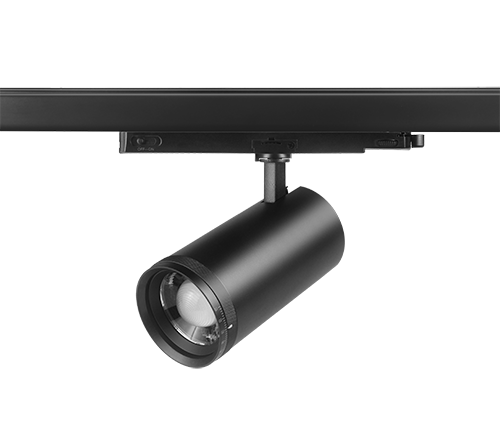
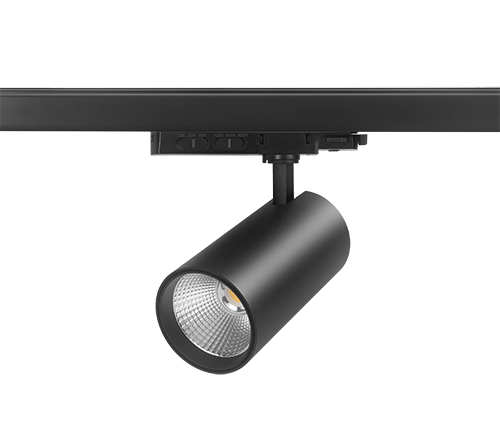
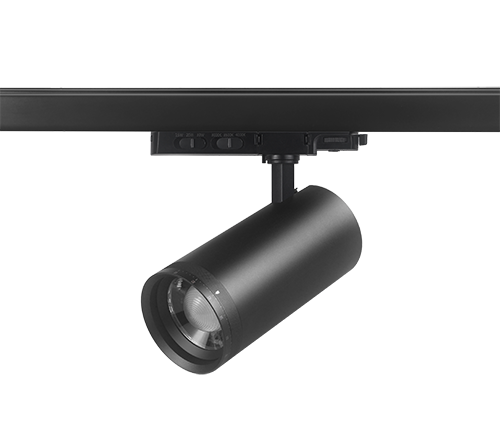
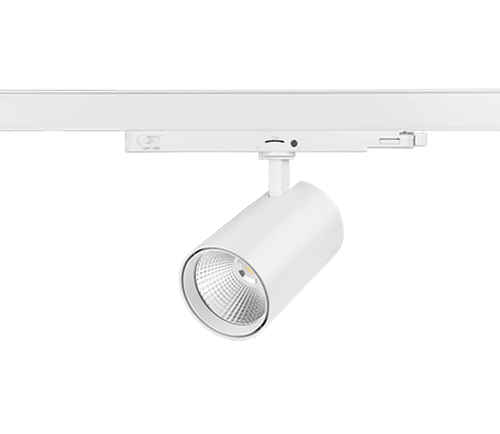
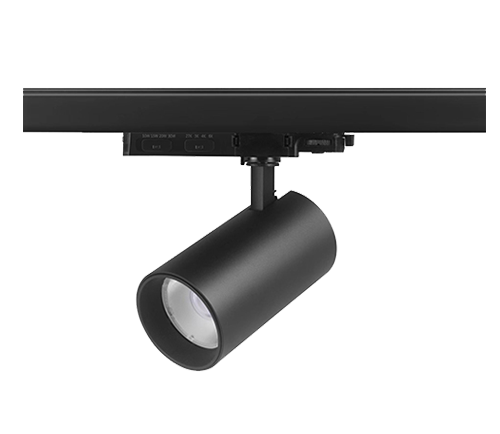
In 2026, the best systems (like the Pustlux 3CCT&3POWER track Series) utilize Tunable White technology, allowing these changes to happen without swapping bulbs or lenses.


2. Why Dimmable CCT Track spotlight is Critical for Museums in 2026

A. Material-Specific Optimization

Different materials react differently to color temperatures.

Gold and Wood: Look richer and more "authentic" under warm light (2700K - 3000K).

Blue Pigments and Silver: Appear vibrant and crisp under cooler light (4000K - 5000K).

The CCT Advantage: Curators can "tune" the light to match the specific chemistry of the artifact’s pigments, bringing out details that static lights would flatten.

B. Circadian and Atmospheric Narrative

Modern exhibitions often aim to simulate specific times of day or historical eras. Dimmable CCT allows a gallery to transition from a bright, "outdoor" midday feel to a dim, "candlelit" evening atmosphere, enhancing the emotional connection of the visitor to the history.

C. Advanced Conservation (Lux-Hour Management)

In 2026, conservation is about more than just avoiding UV. It’s about Total Light Exposure. Dimmable CCT systems integrated with smart sensors can automatically lower light levels when no visitors are present, significantly extending the life of light-sensitive textiles and manuscripts.


3. Technical Standards for 2026

When selecting Dimmable CCT Track Lights, ensure they meet these "Museum-Grade" benchmarks:


Feature2026 RequirementWhy it Matters
CRI (Ra)97Essential for true color rendering in fine art.
Flicker Index< 0.01Crucial for eye comfort and high-end video/photography.
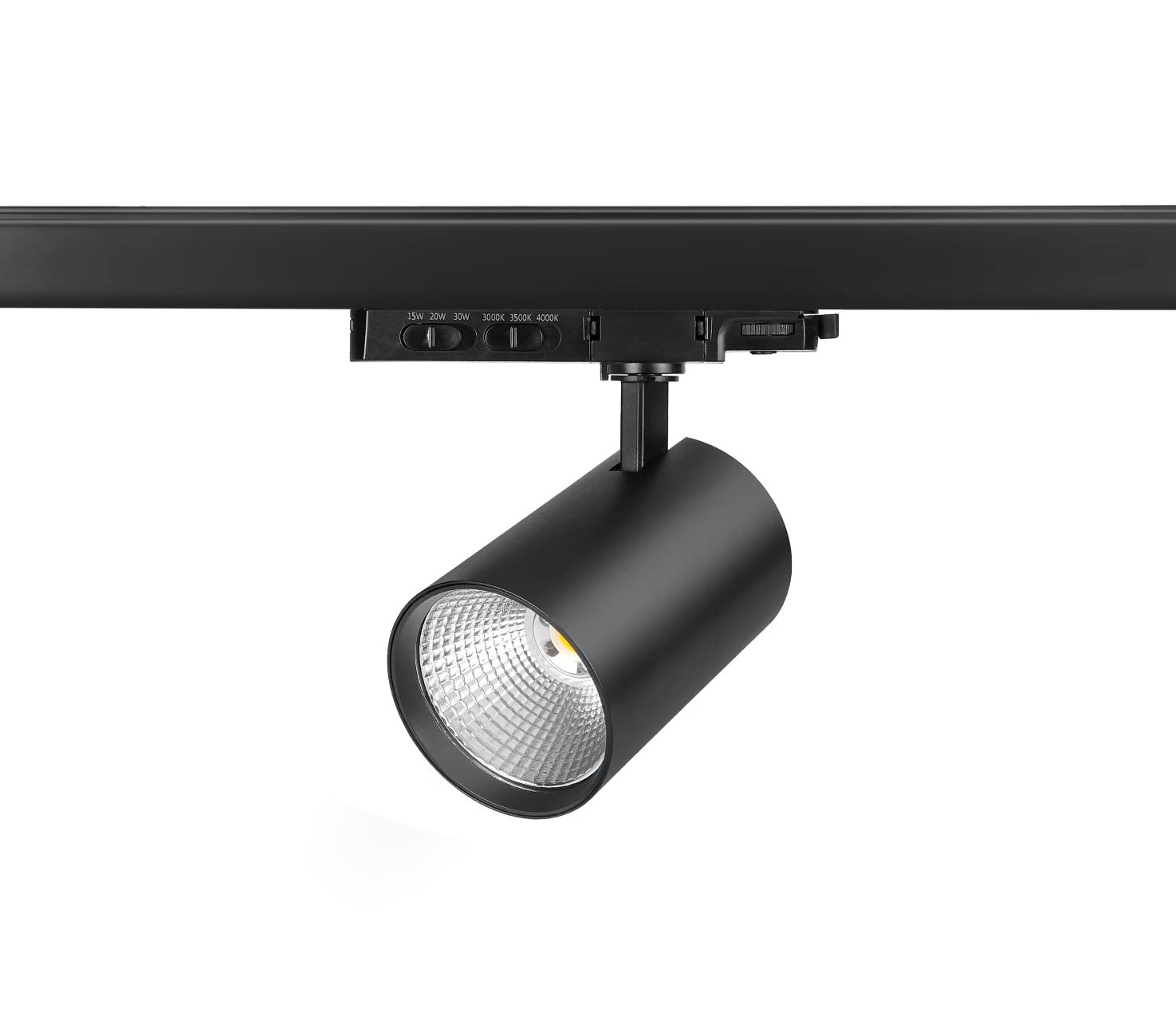
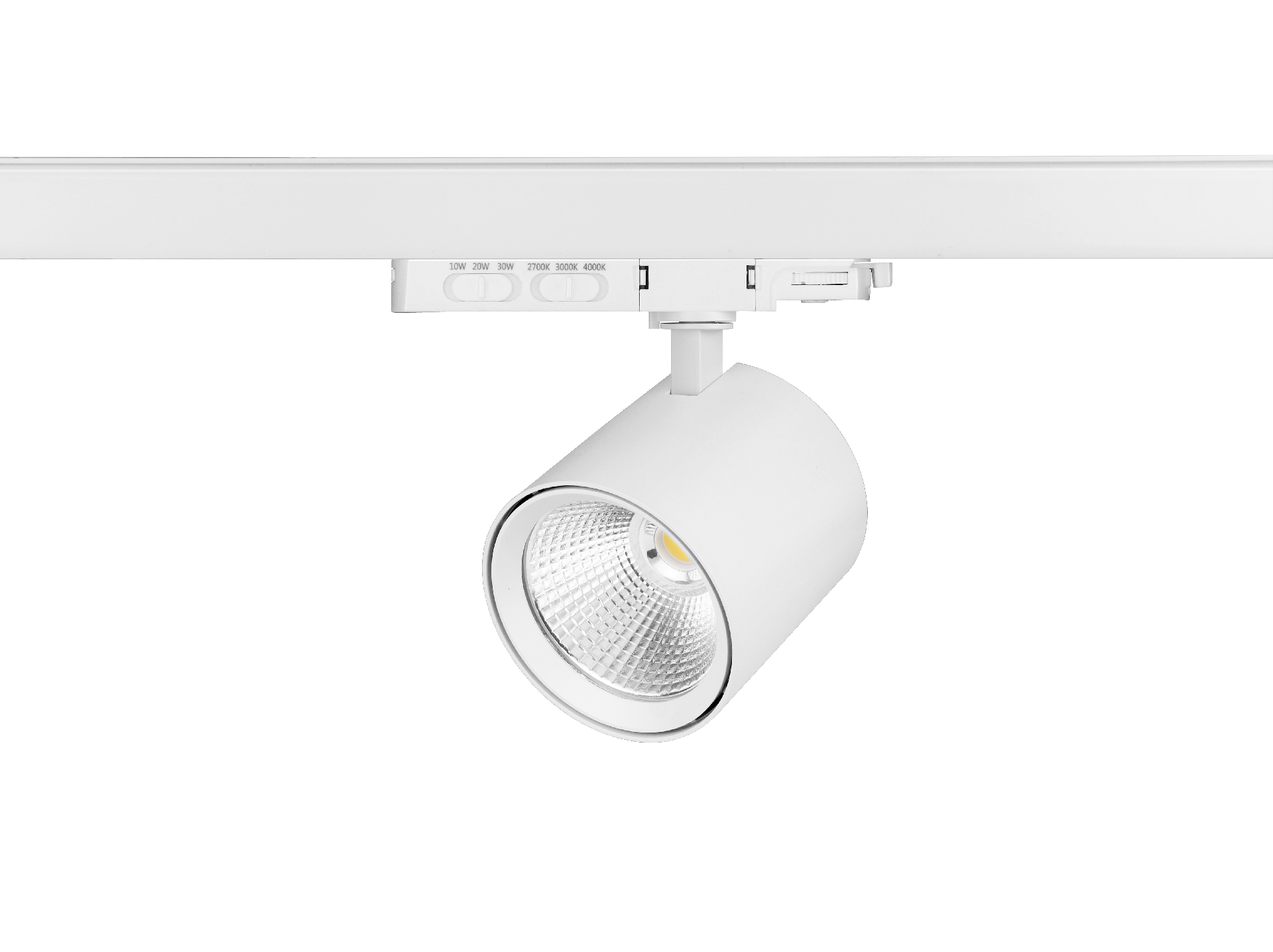
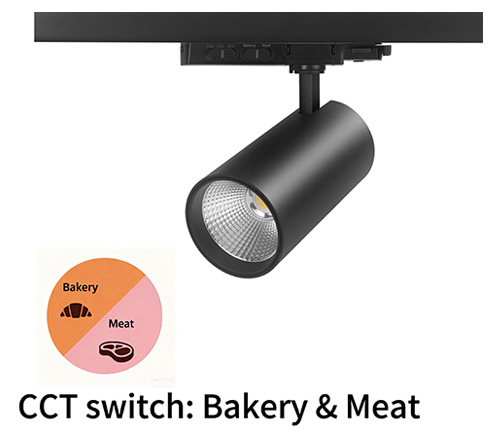
CCT switchable2700K-3000K-4000K 3CCT switchableIdeal for lighting solutions
POWER switchable15W-20W-30W 3POWER switchMeeting various lighting needs
Dimming 0% - 100%Allows for "moonlight" levels for ultra-sensitive artifacts.
Color ConsistencySDCM < 3Ensures every light on the track looks identical.


4. Control Protocols: The "Brain" of the System

A Dimmable CCT fixture is only as good as its controller. In 2026, two protocols dominate:

DALI-2 / Triac dimmable: The professional wired standard. Device Type 8 (HPD) is specifically designed for color tuning, allowing a single address to control both brightness and CCT.


5. Implementation Guide: How to Apply this CCT Track Light in Your Gallery

  • For Oil Paintings: Use 3000K at 150 Lux. The warmth emphasizes the depth of the oil and the texture of the canvas.

  • For Contemporary Photography: Use 4000K at 100 Lux. This provides a "white-wall" gallery aesthetic that feels modern and clean.

  • For Ancient Stone/Sculpture: Use a Cross-CCT Technique. Highlight the sculpture with a cool 4500K from one side and fill the shadows with a warm 2700K to create 3D depth.


FQA for what is and how to use the CCT track light

Q1: Can I dim CCT track lights without changing the color?

A: Yes. Professional Dimmable CCT lights (like those from Pust Lighting) feature independent control channels. You can dim the light to 5% while maintaining a crisp 5000K color temperature, or vice versa.

Q2: Does CCT tuning help in protecting artifacts?

A: Indirectly, yes. By tuning the CCT to a higher "visual efficiency," you can often use lower Lux levels while maintaining high visibility for the viewer, thereby reducing the total photochemical damage to the object.

Q3: What is "Dim-to-Warm" vs. "Tunable White"?

A: Dim-to-Warm mimics a halogen bulb (as it dims, it automatically gets warmer). Tunable White (CCT Tuning) is superior for museums because it allows you to control brightness and color independently.

Q4: Is it expensive to upgrade to Dimmable CCT?

A: While the initial hardware cost is 15-20% higher than static LEDs, the ROI is found in versatility. You no longer need to buy different lamps for different exhibitions; one fixture fits every future need.

Looking for the ultimate 2026 Museum Lighting Solution?

Explore the Pust Lighting CCT Tunable White Series. Designed with a CRI of 95 and seamless DALI-2 HPD integration, it is the choice of leading galleries worldwide.


skype

Contact