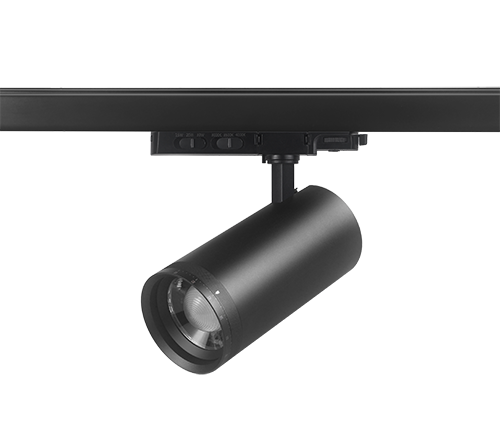
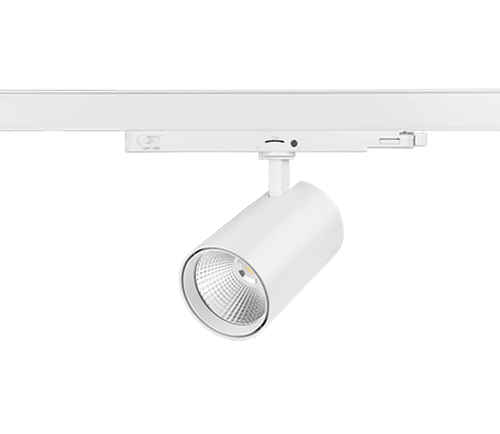
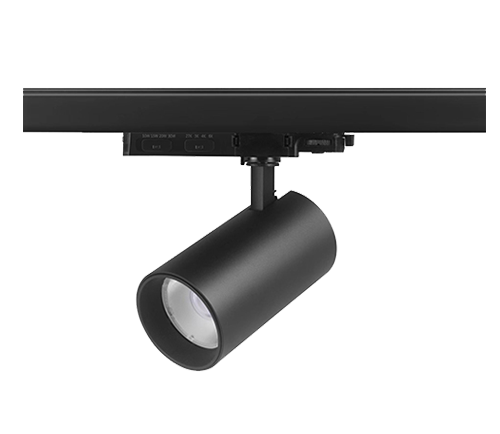
Museum CCT Track Lighting Design: How We Achieved Perfect Anti-Glare in Art Galleries
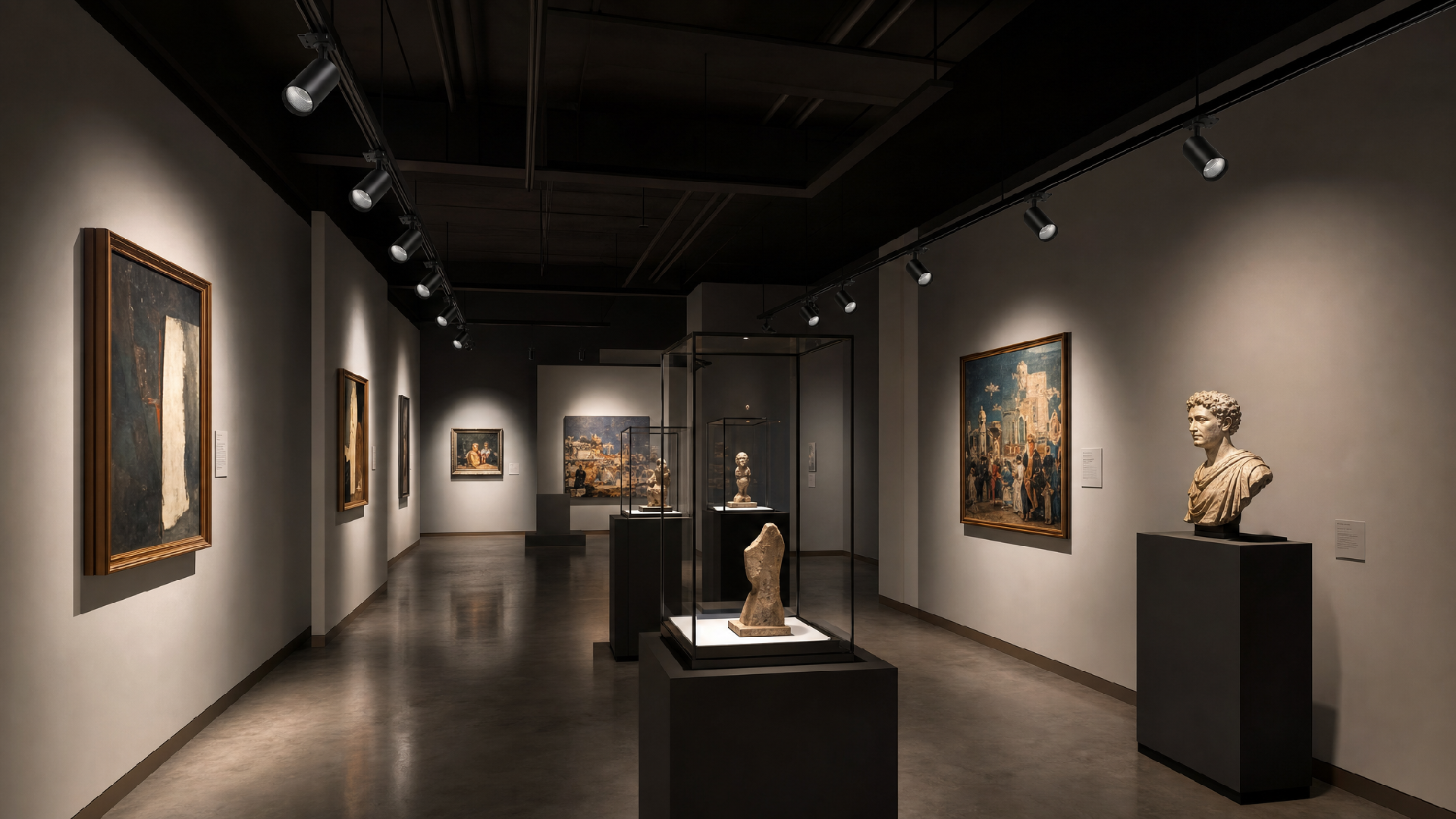
This article explores in detail how a well-designed museum CCT track lighting system can achieve perfect anti-glare performance in art galleries. We will explore design principles, technical solutions, fixture selection, installation strategies, and the application insights based on modern commercial lighting practices.
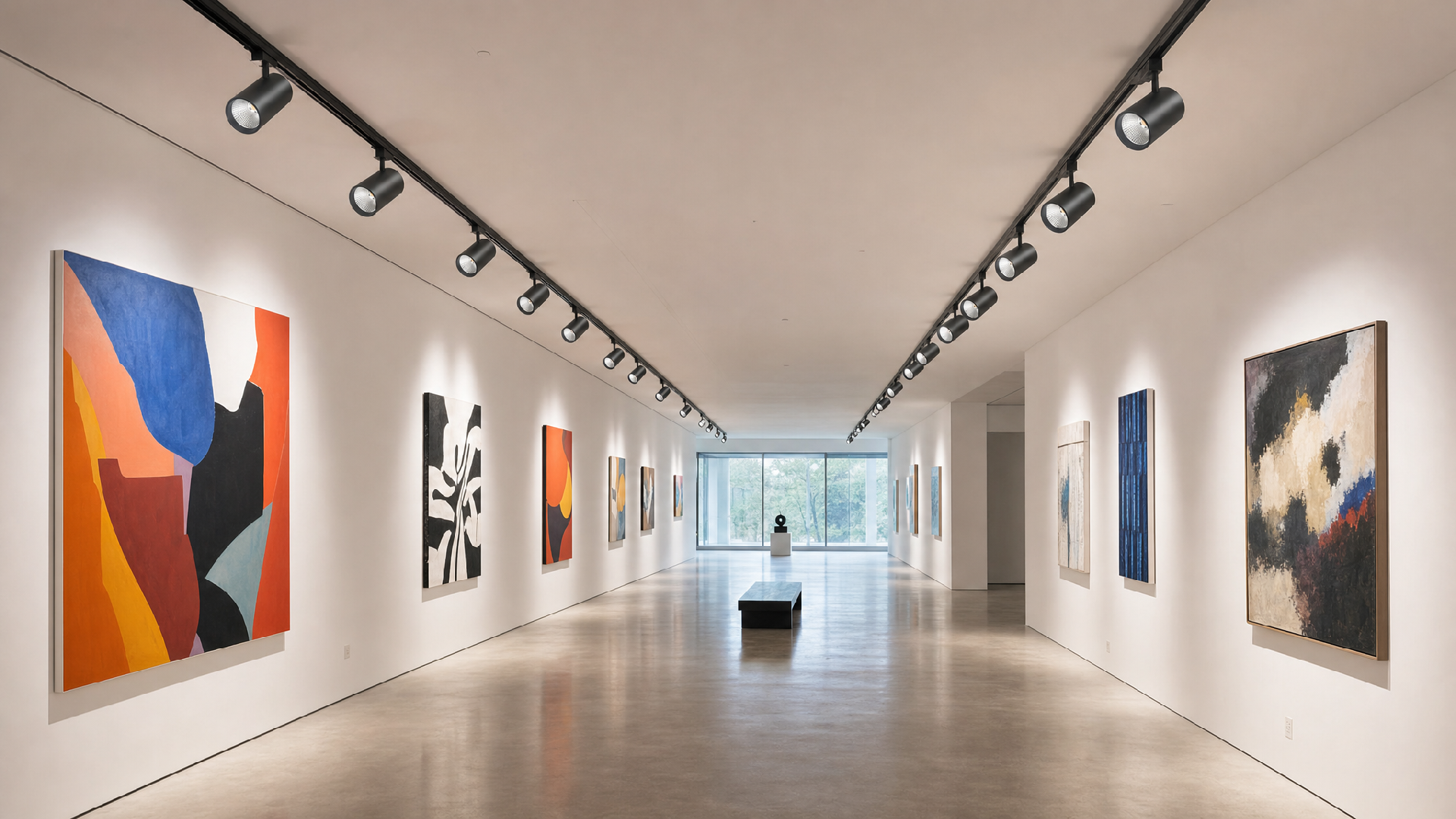
1.1 What Is CCT Track Lighting?
CCT track lighting refers to LED track-mounted lighting fixtures that allow adjustment of Correlated Color Temperature, typically ranging from:
2700K – Warm light for classical art and wooden textures
3000K – Neutral warm light for general gallery use
3500K–4000K – Neutral white for modern art and high-detail exhibits
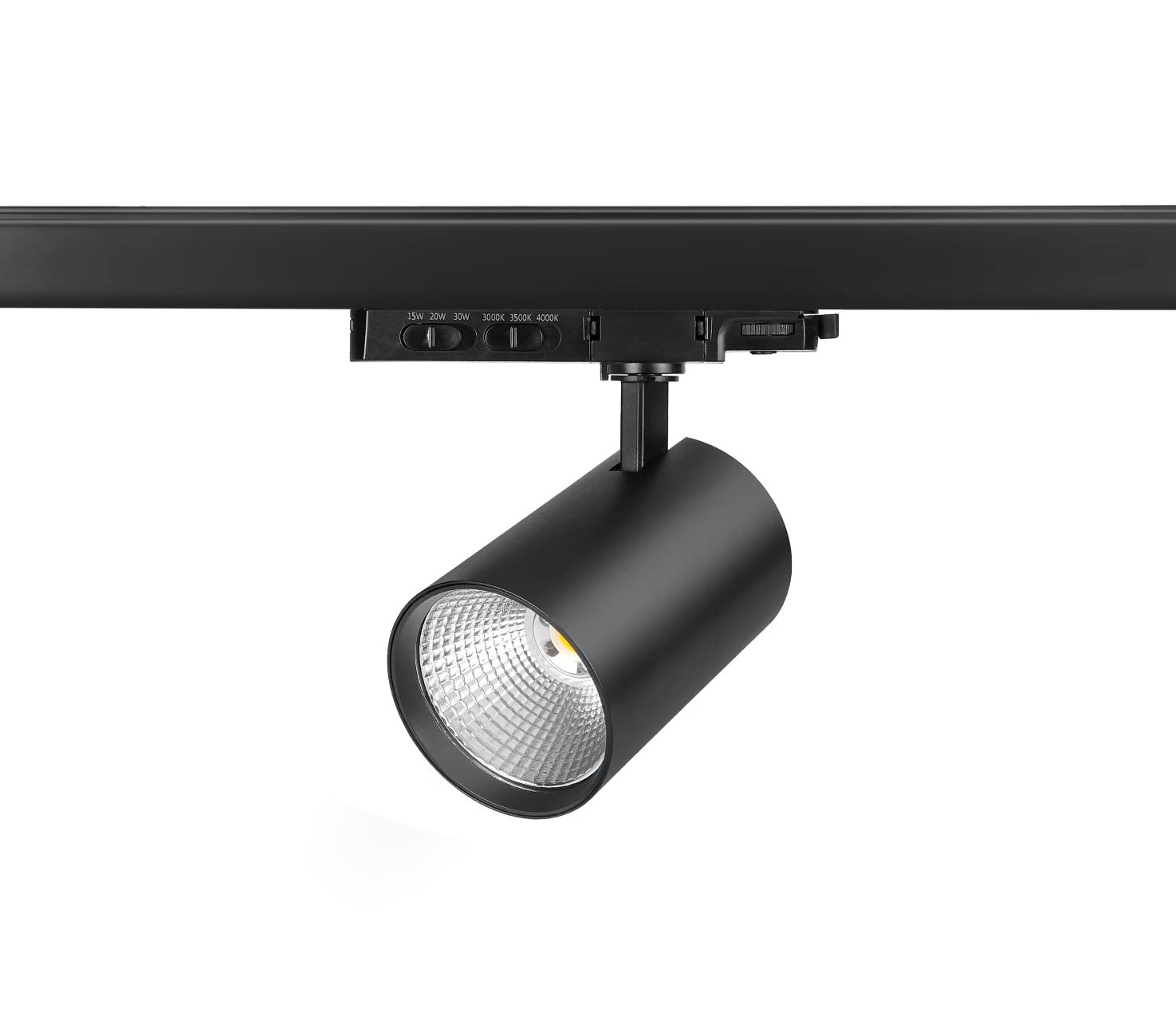
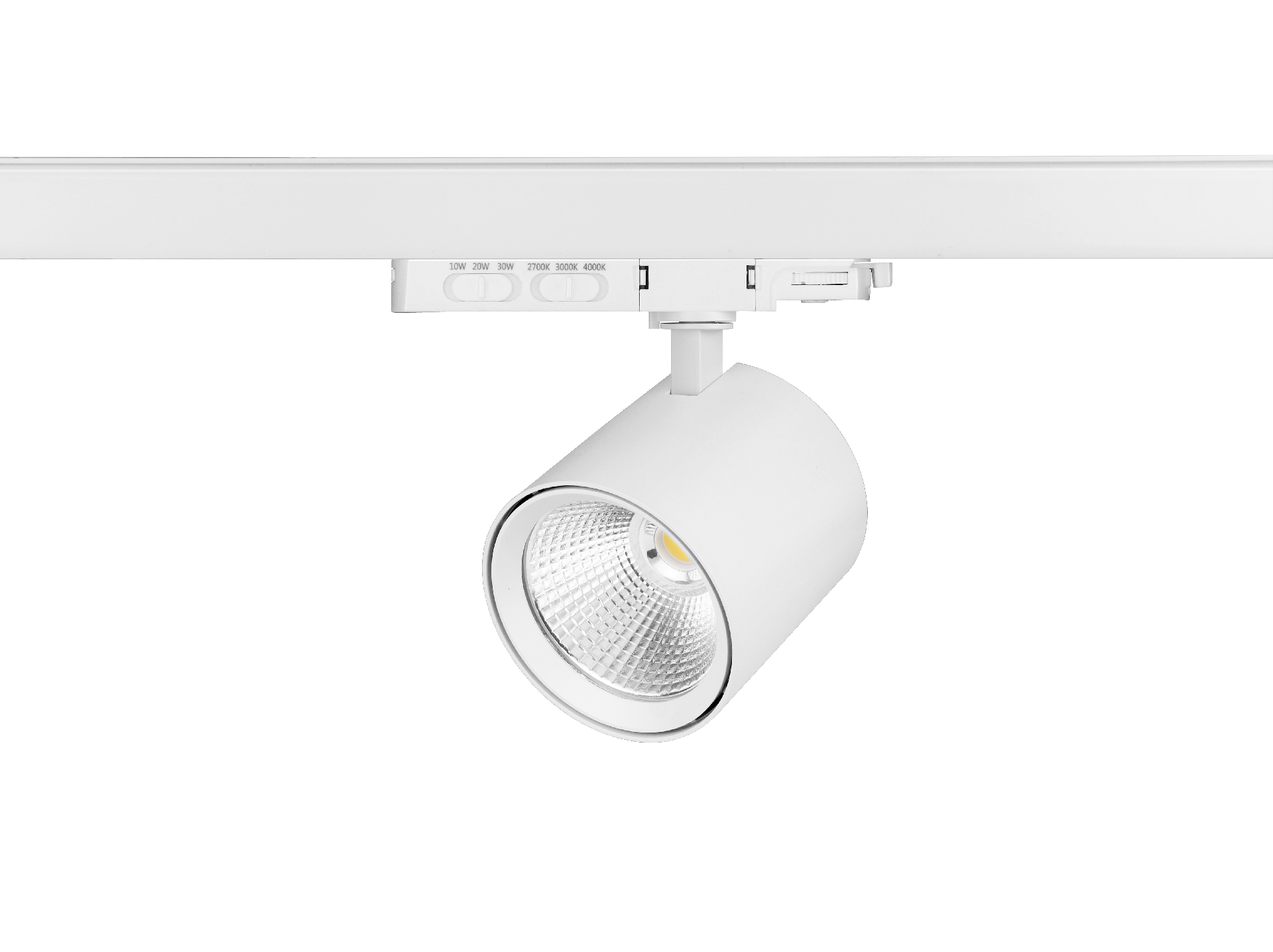
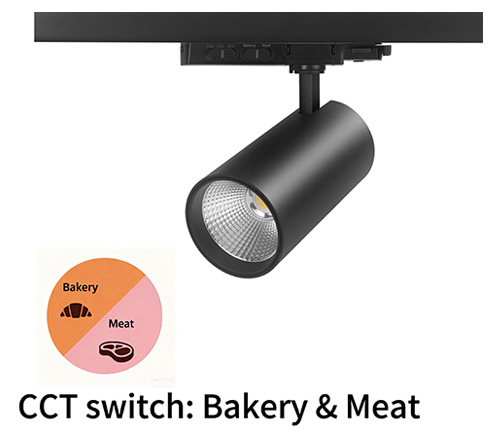
These adjustable systems are often integrated into one light, allowing users to adjust the color temperature via switching the bottom one the track adapter.
In museum environments, CCT track lights are essential because different artworks require different lighting atmospheres. For example:
So just 1pc of the CCT adjustable track light can meet different lighting demands, which can help you save a lot warehouse spaces and reduce inventory, also sav the costs.
CCT Track lighting systems offer three key advantages for museums and galleries:
1. Flexibility
Lighting heads can be repositioned easily without rewiring, making them ideal for rotating exhibitions.
2. Precision
Beam angles can be adjusted to highlight specific artwork areas without spilling light into unwanted zones.
3. Scalability
New fixtures can be added to existing tracks, making expansion simple and cost-effective.
4.Multi-functionality
1PC of this CCT track light can be 3POWER 3CCT switchable & triac dimmable, so it can be used in different spaces to meet various lighting demands without replacig products.
2. The Anti-Glare CCT track light in Museum Lighting
2.1 What Is Glare?
Glare occurs when excessive brightness or uncontrolled light direction causes discomfort or reduces visibility. In museums, glare is especially problematic because:
It reduces artwork visibility
It causes reflections on glass surfaces
It distracts visitors from the artwork
It leads to visual fatigue
Therefore, the anti-glare is of great importance in museum lighting to highlight the art works.
2.2 Why Traditional Lighting Fails in Galleries
Traditional fixed lighting systems often fail in museums due to:
As a result, artworks appear either too harsh, too flat, or visually distorted.
3. How We Achieved Perfect Anti-Glare with CCT Track Light In Museum Lighting
To achieve optimal anti-glare performance, modern museum lighting design integrates multiple technical strategies.
3.1 Deep Anti-Glare Optical Design
One of the most important elements is optical shielding design inside the track light fixture.
High-quality museum-grade CCT track lights typically include:
Suitable LED chips
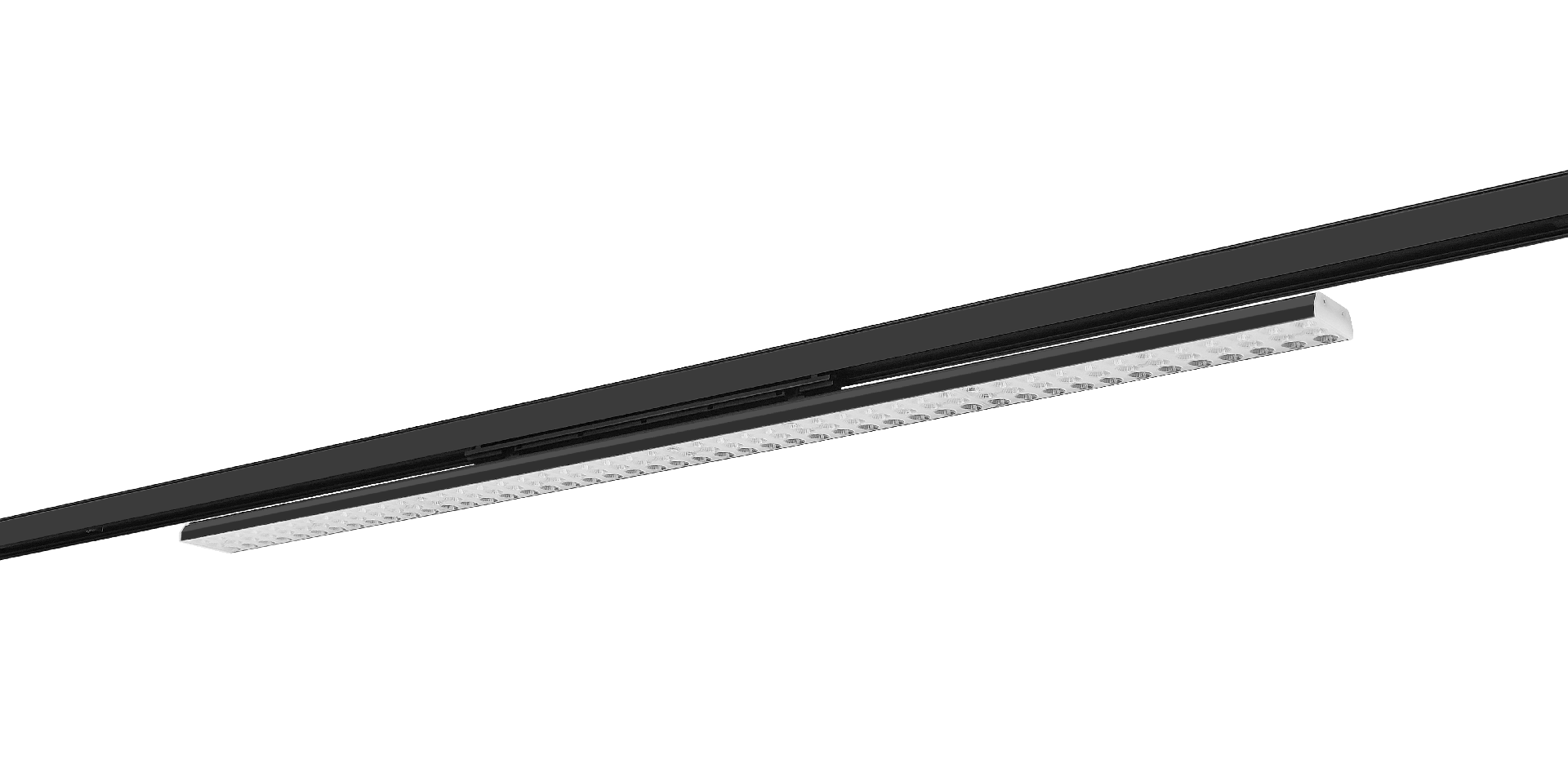
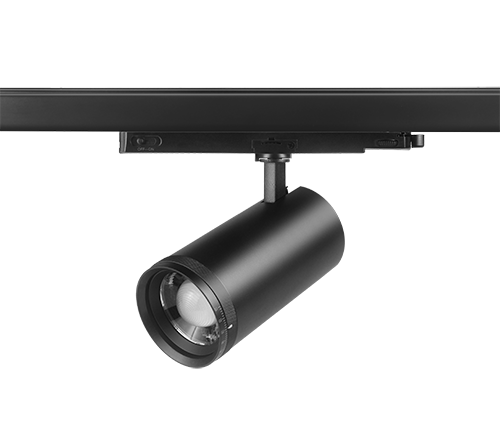
Anti-glare honeycomb louvers & barn-doors
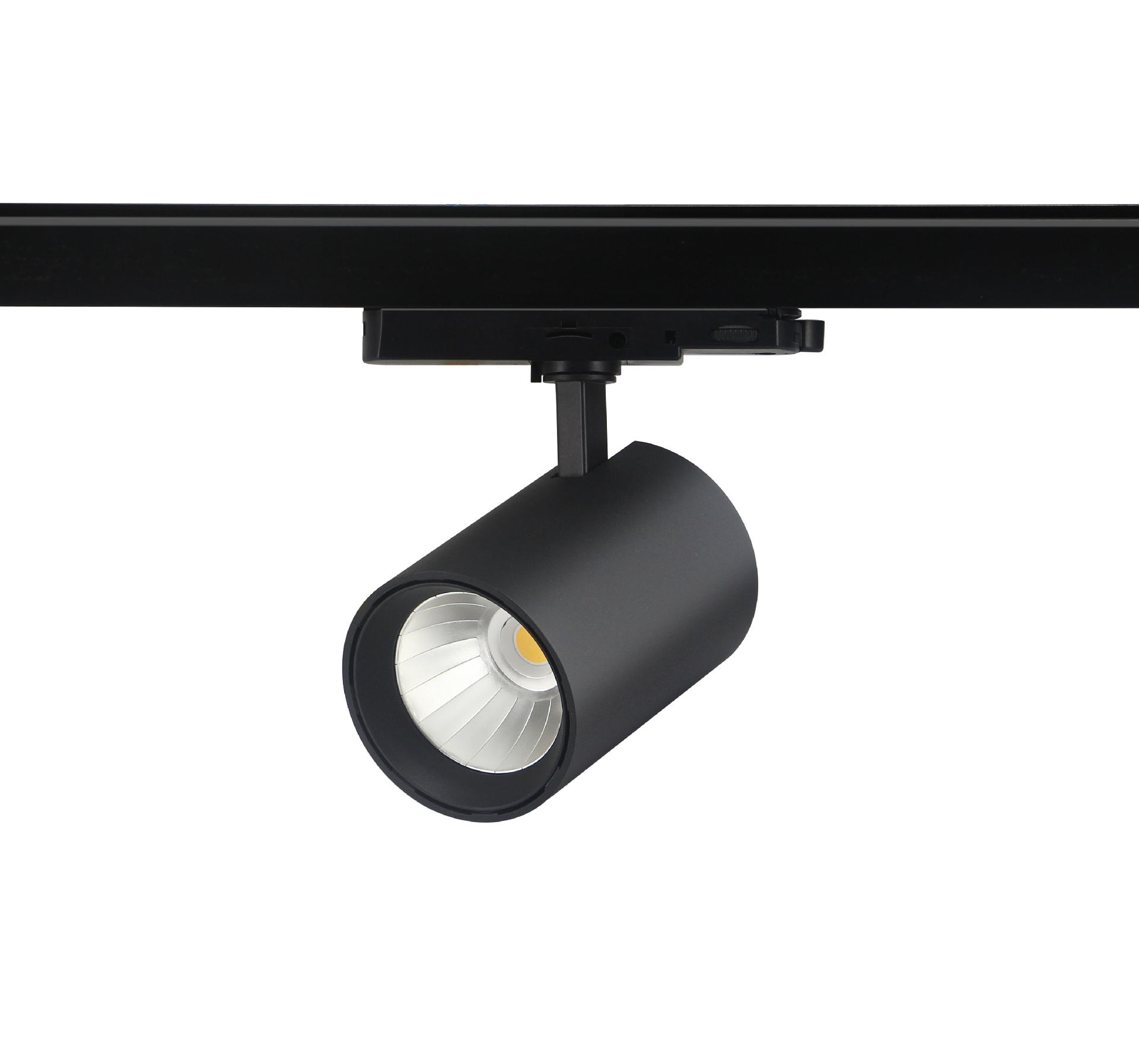
Black baffles inside the reflector
Cut-off angles designed to block direct viewing of the light source
This ensures that visitors see the light on the artwork, not the light source itself.
3.2 Precise Beam Angle Control
Beam angle selection plays a crucial role in controlling glare:
15°–24° narrow beam → focused spotlight for paintings
36° medium beam → balanced wall illumination
60° wide beam → ambient gallery lighting
For anti-glare optimization, narrow beams are preferred because they can reduce the light spill, improve contrast on the artworks surfaces and allow precise directional control.
3.3 Optimal Mounting Positioning of the CCT Track Light
Correct installation height and angle are essential.
Best practices include:
Mounting track lights at a 30°–45° angle toward artwork
Avoiding direct frontal lighting on glossy surfaces
Maintaining sufficient distance between fixture and artwork surface
Aligning light direction with viewer sightlines to avoid reflection paths
This ensures that reflected glare is minimized on glass-covered artworks.
3.4 CCT Optimization for Visual Comfort
Color temperature significantly affects glare perception.
Recommended museum settings:
2700K → Classical oil paintings, warm wood textures
3000K → Mixed exhibitions and general galleries
3500K–4000K → Contemporary art and sculptures
Lower CCT values generally reduce perceived glare because warm light is softer to the human eye. With the CCT adjustable track light, users can easily adjust the CCT on site through switching the bottom on the track adapter.
3.5 High CRI Lighting for True Color Representation
Museum lighting requires CRI > 90, the CCT track light always with Ra95+
High CRI ensures:
Without high CRI, even perfectly designed anti-glare systems will fail to present artwork correctly.
3.6 Dimming Control for Dynamic Lighting Balance
Modern CCT track lighting systems often include dimming technologies such as:
DALI2 dimming
0-10V dimming
Triac dimming
Dimming allows curators to adjust brightness levels based on:
Time of day
Visitor density
Exhibition type
Artwork sensitivity
Lower brightness levels significantly reduce glare perception while enhancing atmosphere. Therefore, suitable brightness can create an inviting atmosphere for the visitors and better to light up the products.
4. Real-World Museum Lighting Design Strategy
4.1 Layered Lighting Approach
A professional museum lighting system is not built on track lights alone. It uses a layered approach:
Accent lighting → CCT track lights for artworks
Ambient lighting → ceiling wash lights
Architectural lighting → wall grazing or indirect lighting
Track lights are responsible for precise object illumination, while ambient lighting ensures visual comfort.
4.2 Zoning Strategy for Exhibitions
Modern galleries divide lighting into zones:
Each zone uses different CCT, Wattage and brightness settings.
4.3 Adjustable Flexibility for Changing Exhibits
One of the biggest advantages of CCT track lighting is adaptability.
Museums frequently change exhibitions, and lighting must adapt quickly without rewiring. With adjustable track lights:
Fixtures can be repositioned within minutes
CCT can be changed per exhibition
Wattages can be adjustable according to the stores' demands
Beam angles can be reconfigured easily
This significantly reduces operational costs.
| Feature | CCT Track Lighting | Traditional Fixed Lighting |
|---|
| POWER switchable | 15W-20W-30W switchable | Fixed |
| Anti-glare control | Advanced optical design | Limited |
| CCT adjustment | 2700K–3000K-4000K adjustable | Fixed |
| Beam direction | Adjustable | Fixed |
| Installation adaptability | Excellent | Poor |
| Exhibition changes | Easy reconfiguration | Requires redesign |
| Energy efficiency | High | Medium |
| Visitor comfort | Optimized | Inconsistent |
6. The Most Common Mistakes in Museum Lighting Design
Even with advanced technology, poor design choices can still cause glare issues:
6.1 Over-Illumination
Too much brightness increases reflection and reduces artwork clarity.
6.2 Wrong Beam Angle
Wide beams used too close to artwork cause uncontrolled spill light.
6.3 Incorrect CCT Selection
Using overly cool white light (above 4000K) can make exhibitions feel harsh.
6.4 Incorrect POWER option
Incorrect wattage output lighting can directly affect the lighting effects..
7.Trac Lighting Energy Efficiency and Sustainability in 2026 Museums lighting
Modern museums are also focusing on sustainability goals.
CCT track lighting supports:
Lower energy consumption through LED efficiency
Smart dimming systems (DALI2 integration)
Reduced maintenance cycles
Long lifespan (50,000+ hours)
This helps museums reduce both operational costs and carbon footprint.
8. Why CCT Track Lighting Is the Future of Museum Design
In 2026, museums are becoming more interactive, flexible, and visitor-focused. Lighting must evolve accordingly.
CCT track lighting offers:
These features make it the ideal solution for modern cultural spaces.
Achieving Perfect Anti-Glare Is a System, Not a Fixture
Perfect anti-glare in museum and gallery lighting is not achieved by a single product—it is achieved through a complete lighting design system that combines:
Advanced CCT track lighting
Anti-glare optical engineering
Proper beam angle selection
Strategic installation planning
High CRI LED technology
Intelligent dimming control
When all these elements are properly integrated, museums can achieve lighting that not only protects artwork but also elevates the visitor experience to a new level.
In 2026 and beyond, CCT track lighting systems will continue to define the standard for museum and art gallery illumination, offering unmatched flexibility, precision, and visual comfort for the world of fine art presentation.
9. Frequently Asked Questions – Museum CCT Track Lighting
Q1: What is CCT track lighting in museum lighting design?
CCT track lighting refers to LED track-mounted lighting systems with adjustable Correlated Color Temperature, typically ranging from 2700K to 4000K. In museum lighting design, it allows curators to change lighting tones for different artworks, improving visual accuracy, atmosphere control, and visitor comfort.
Q2: Why is anti-glare important in art galleries?
Anti-glare is essential because excessive glare can reduce artwork visibility, create reflections on glass surfaces, and cause eye strain for visitors. Proper anti-glare lighting ensures that viewers focus on the artwork itself rather than distracting light sources or reflections.
Q3: How do Pust's CCT track lights reduce glare in museums?
CCT track lights reduce glare through multiple design strategies, including:
Deep anti-glare optical reflectors
Honeycomb or Barn-doors accessories
Controlled beam angles (15°–60°)
Adjustable mounting direction
Optimized brightness via dimming systems
These features ensure light is directed precisely onto artworks without spilling into the viewer’s eyes.
Q4: What is the best color temperature for museum lighting?
The best CCT depends on the artwork type:
2700K → Classical paintings, warm wood-based artworks
3000K → General exhibitions and mixed collections
4000K → Modern art, sculptures, and high-detail installations
Most museums use 3000K as a balanced standard.
Q5: What beam angle is best for museum track lighting?
For museum applications:
15°–24° → Focused spotlight for paintings
36° → Balanced lighting for medium-sized artworks
60° → Ambient or background illumination
Narrow beam angles are preferred for anti-glare performance.
Q6: What is the role of CRI in museum lighting?
CRI (Color Rendering Index) indicates how accurately a light source reveals the true colors of an object. In museums, a CRI of 90+ (preferably 95+) is recommended to ensure artworks appear natural and visually accurate under artificial lighting.
Q7: Can CCT track lights be dimmed in museums?
Yes. Modern museum CCT track lighting systems support dimming technologies such as DALI2, 0-10V, or Triac dimming. Dimming allows users to adjust brightness levels based on exhibition needs, visitor flow, and artwork sensitivity.
Q8: What is the difference between CCT track lighting and fixed track lighting?
CCT track lighting allows adjustable color temperature (e.g., 2700K–4000K), while fixed track lighting has only one preset color temperature. CCT systems offer greater flexibility for changing exhibitions and improved visual control in museums.
Q9: How do museums prevent reflections on glass artworks?
Museums reduce reflections by:
Adjusting light angles away from viewer sightlines
Using narrow beam track lights
Lowering brightness levels
Positioning lights at 30°–45° angles
Using anti-glare optical accessories
These methods significantly reduce reflected glare on glass surfaces.
Q10: Why are CCT track lights considered the best solution for modern museums?
CCT track lights are considered ideal because they combine flexibility, precision, and visual comfort. They allow museums to adapt lighting for different exhibitions, reduce glare, improve artwork visibility, and support energy-efficient lighting control systems.
 Tel.+86 15013617190
 Email:info@pustlux.com