In the area of art presentation, lighting is not only about visibility—it is a critical factor in art preservation, color accuracy. Museums and galleries worldwide are increasingly shifting to UV-free zoomable LED track lighting systems to protect artworks while enhancing visual experience.
This article explores how UV-free zoomable LED track lights help prevent art damage and why they are becoming the global standard for museum-grade lighting in 2026.

Artworks degrade due to cumulative exposure to light energy over time. The three main causes include:
UV radiation damage → breaks molecular bonds in pigments
Blue light degradation → accelerates fading of organic colors
Heat stress (IR radiation) → dries and warps sensitive materials
Museums follow strict lighting limits to protect collections, artsworks often restricting lux levels and eliminating UV exposure entirely.
UV-free LED lighting systems are engineered to eliminate harmful wavelengths at the chip level.
No UV emission at source
Minimal infrared heat output
Stable spectral distribution over time
Lower energy consumption
Longer lifespan (50,000+ hours)
This makes them ideal for long-term museum and gallery applications with the UV-free zoomable track light
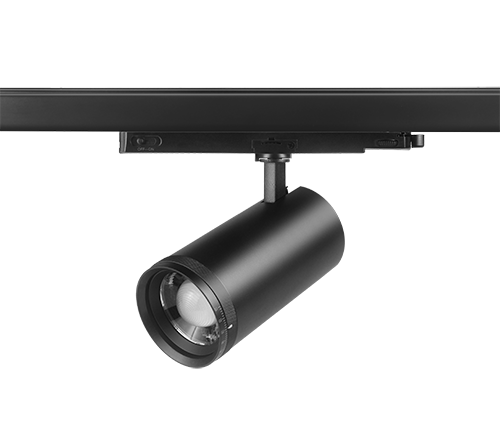
One of the biggest innovations in museum lighting is the zoomable optical system, allowing adjustable beam angles without replacing lenses.
This enables curators to adapt lighting for:
Paintings (focused highlights)
Sculptures (3D shadow modeling)
Installations (wide flood illumination)
Temporary exhibitions (flexible layout changes)
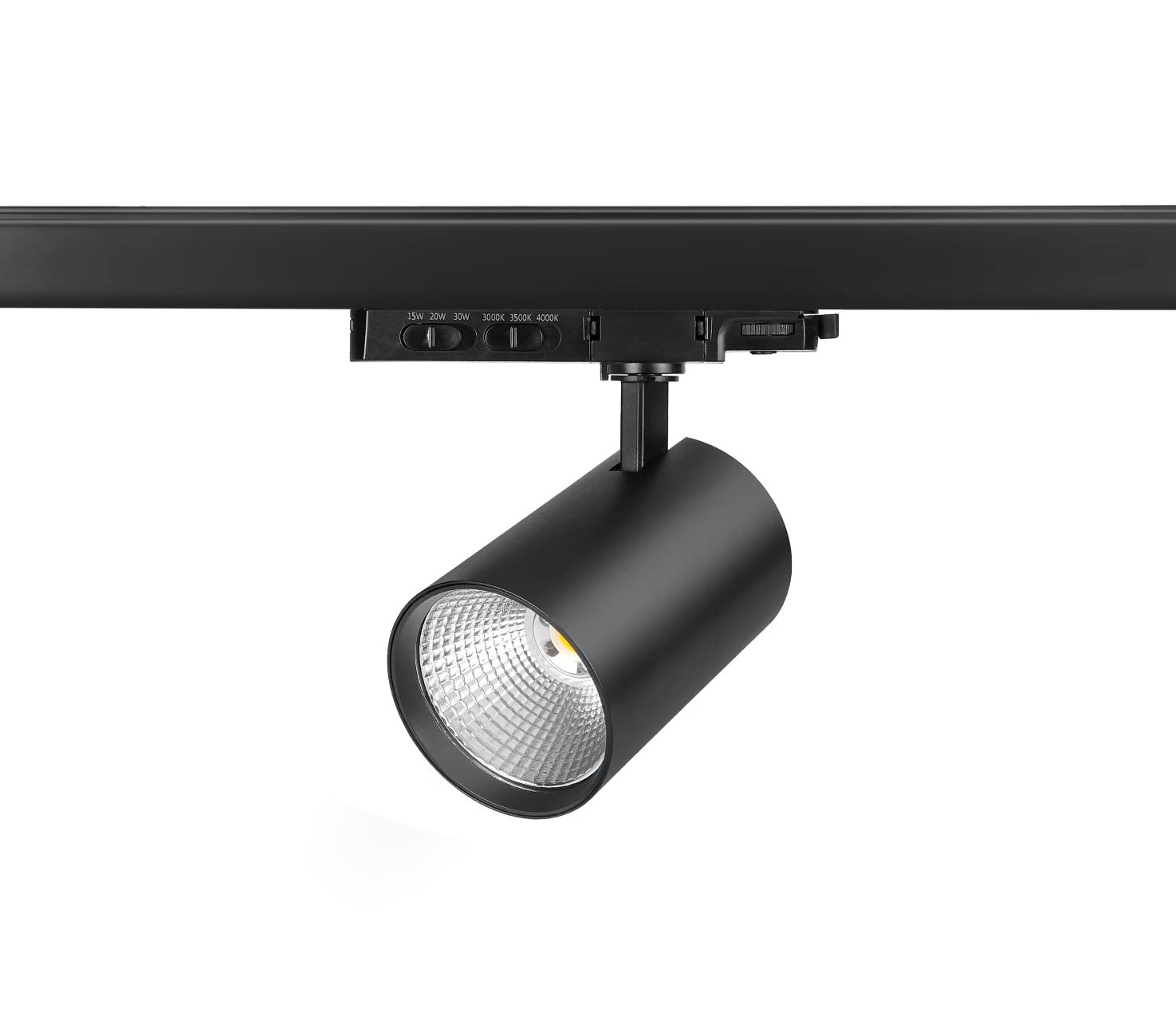
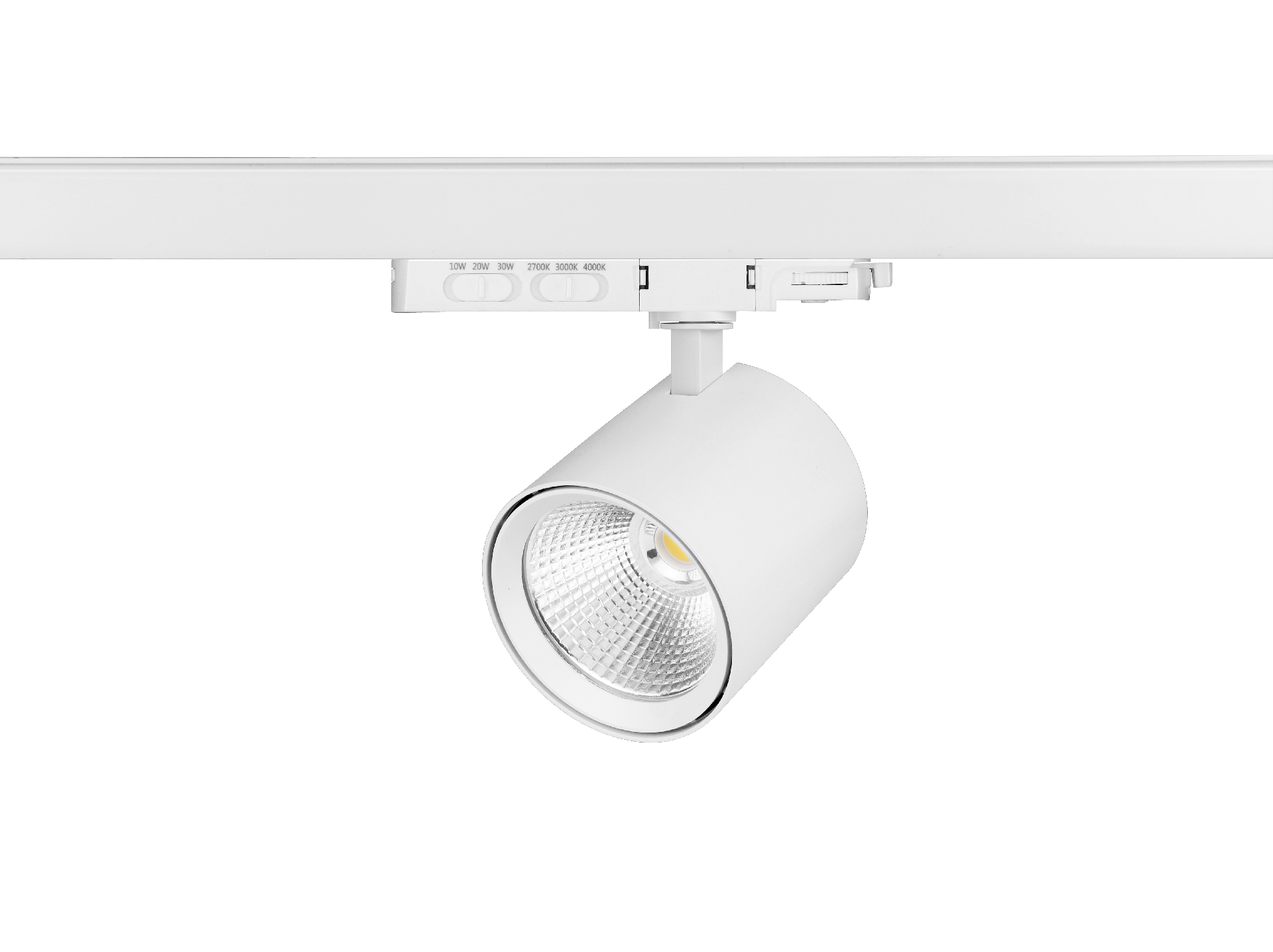
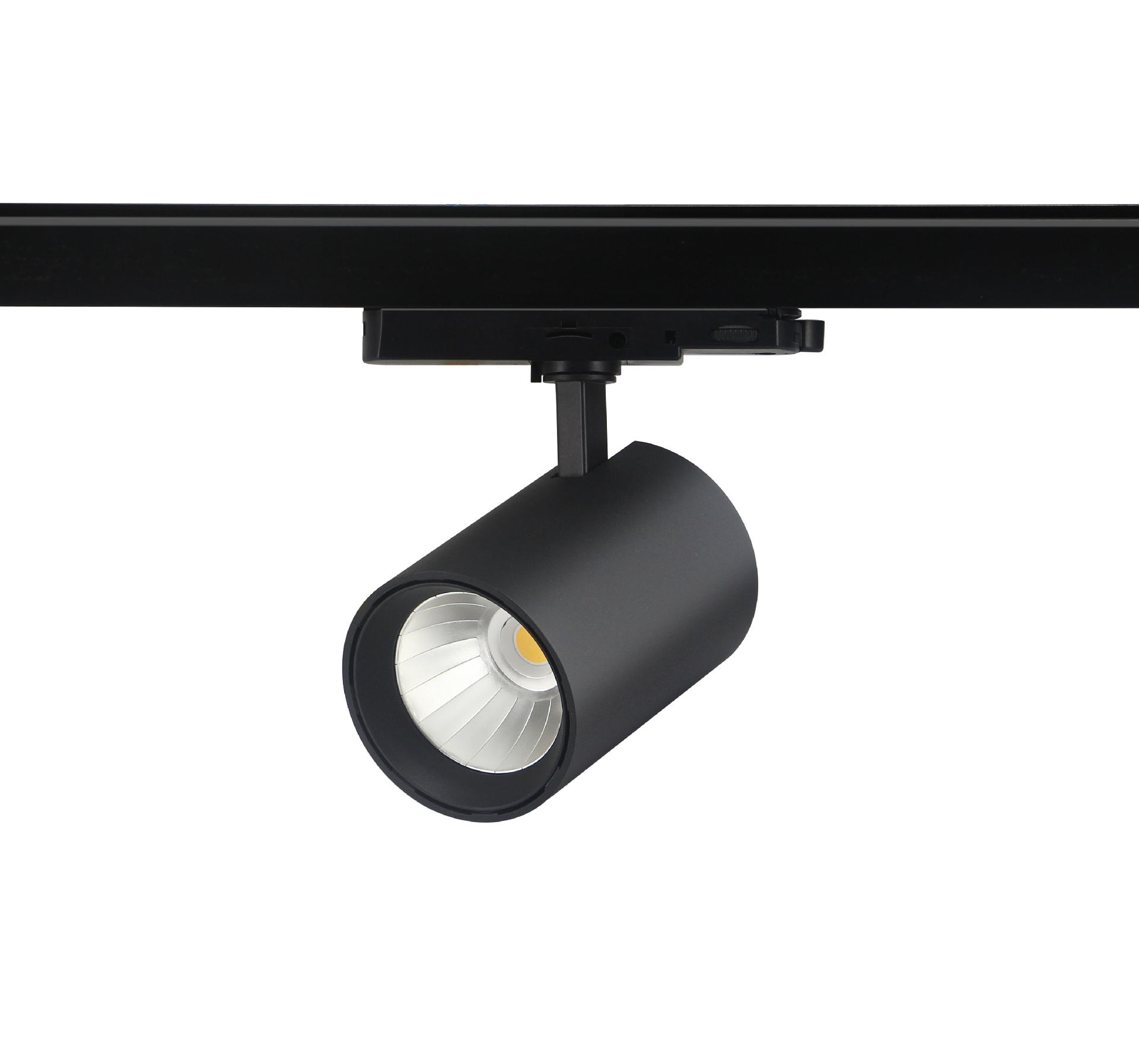
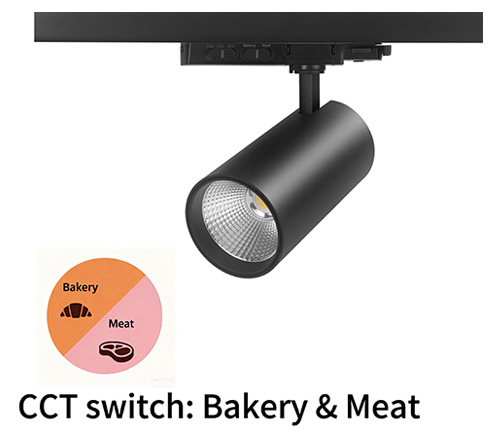
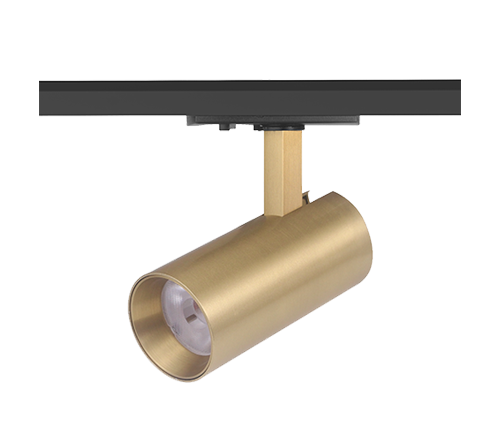
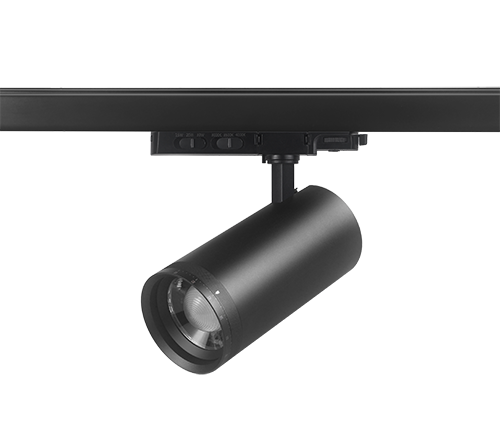
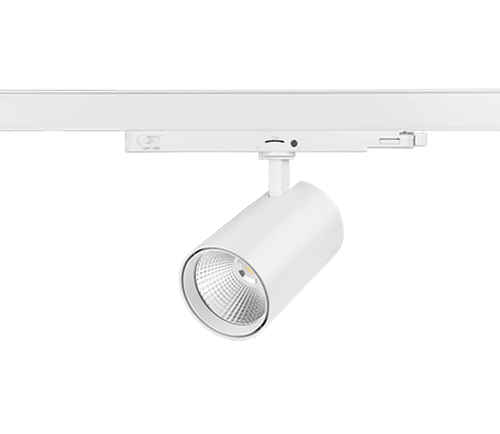
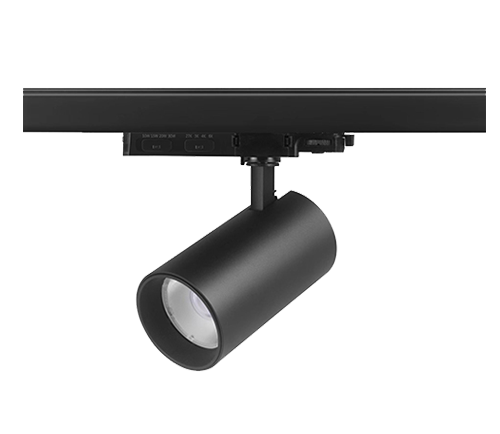
Just with 1pc of this zommable track light, the users can get 15W-20W-30W 3POWER and 2700K-3000K-4000K 3CCT adjustable & triac dimmable to use it in different lighting projects according to demands.
Here is a typical specification set used in professional gallery and museum projects.
| Parameter | Specification | Benefit for Art Galleries |
|---|---|---|
| Power Options | 15W - 20W - 30W switchable | Flexible brightness for different exhibition zones |
| Input Voltage | AC 220–240V | Stable performance in global installations |
| Beam Angle | 15°–55° Zoomable | Adjustable spotlight to floodlight control |
| Color Temperature | 2700K - 3000K - 4000K switchable | Supports warm museum ambiance to neutral daylight |
| Color Rendering Index (CRI) | Ra ≥ 90 | True-to-life color reproduction for artworks |
| Luminous Efficacy | 70–80 lm/W | High efficiency with low energy cost |
| UV Output | UV-Free | Prevents pigment degradation and fading |
| Flicker Index | <1%-Flicker-Free Driver | Comfortable viewing & camera-friendly lighting |
| LED Chip | COB LED Bridgelux | Stable color consistency and long lifespan |
| Color Consistency | SDCM < 5 | Uniform lighting across exhibition spaces |
| Dimming Option | DALI-2 / Triac / 0-10V | Smart control for scene adjustment |
| Lifespan | >50,000 hours | Reduced maintenance for institutions |
| Housing Material | Cold-forging Aluminum | Efficient thermal management |
| Heat Dissipation | Passive cooling system | Protects artwork from heat damage |
With all the functions integrated into one single fixture, there's no need for users to change the products when they want to change the lighting style.
Beam angle determines how light interacts with artworks.
15°–25° → fine art paintings, portraits
30°–45° → medium canvas artworks
45°–60° → sculptures and installations
Zoomable range → dynamic exhibitions
Zoomable systems eliminate the need for multiple fixed-beam fixtures, reducing SKU complexity and installation cost. One single fixture can meet different angle demands.
International museum lighting guidelines recommend:
Sensitive artworks: 50–150 lux
Oil paintings: 150–200 lux
Sculptures: 200–300 lux
UV exposure: near zero tolerance
UV-free LED track lights fully comply with these standards.
No UV radiation ensures long-term protection of pigments, textiles, and paper-based artworks.
Zoomable optics allow instant adaptation to new layouts without fixture replacement.
Up to 60–70% energy savings compared to traditional lighting systems.
Long lifespan and multiple usages significantly reduce operational expenses for museums.
Accurate color rendering improves emotional engagement with artworks.
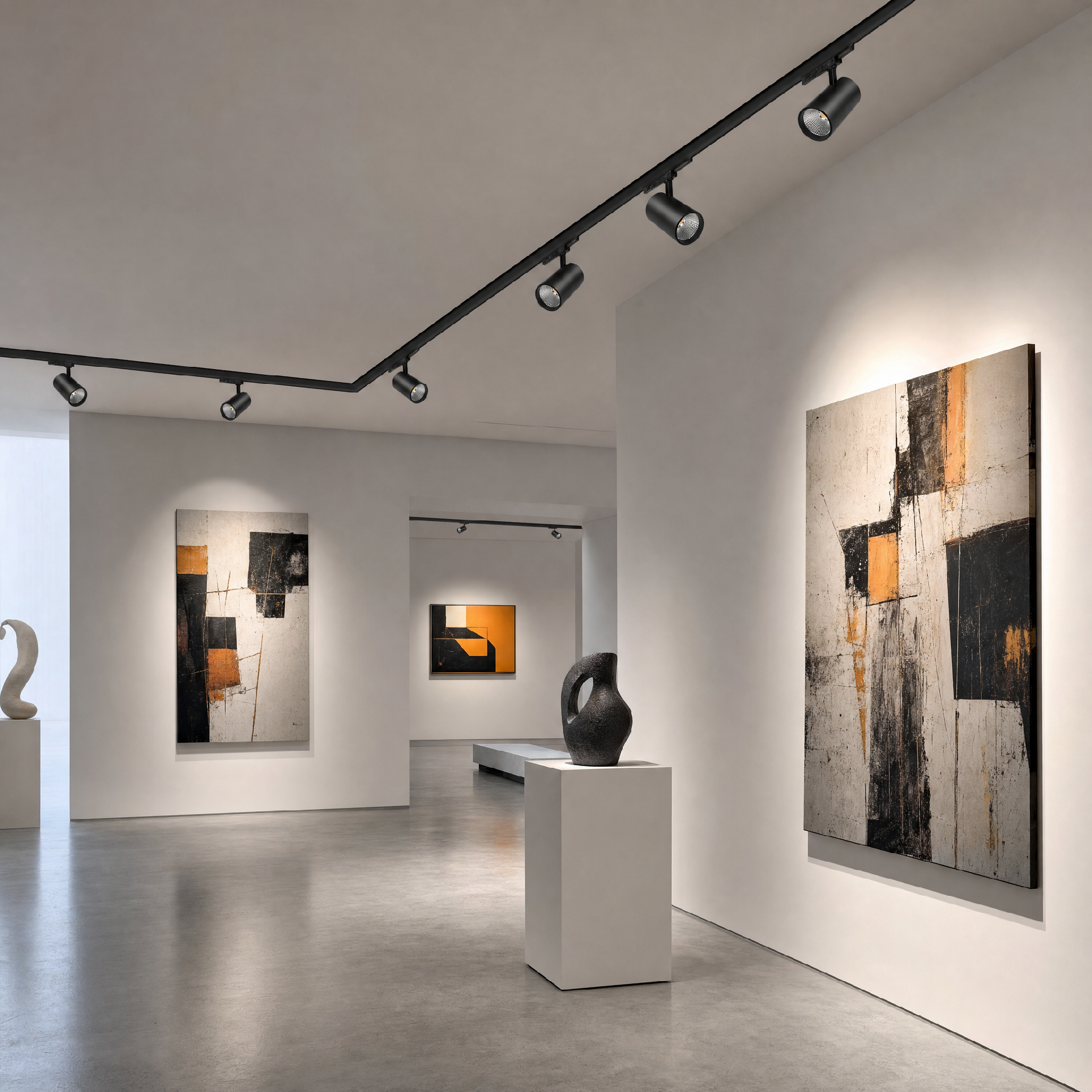
UV-free zoomable LED track lights are widely used in:
Art museums
Contemporary galleries
Cultural heritage exhibitions
Auction houses
Private art collections
High-end exhibition spaces
Modern installations often integrate with:
DALI-2 intelligent control systems
1-10V dimming
Triac dimmable system, allowing the users to adjust the brightness regarding the environments.
This enables:
Scene presets
Scheduled lighting changes
Energy optimization
Remote control of entire galleries
UV-free LED track lights support global green building standards:
Lower carbon emissions
Reduced energy consumption
LEED / BREEAM compliance
Sustainable museum operations
Multi-functionility helping users reduce inventory
The global museum lighting market is shifting toward:
High CRI LED systems
Spectral-tunable lighting
Smart control integration
Ultra-low UV emission standards
AI-assisted lighting optimization
Zoomable LED track lights are expected to remain a core technology in this transformation.
UV-free zoomable LED track lights are no longer just a lighting upgrade—they are a critical preservation tool for cultural heritage institutions.
By combining:
UV-free optical design
High CRI performance
Adjustable beam control
Smart dimming systems
Long lifespan efficiency
they provide a complete solution for modern museums and galleries.
For buyers, contractors, importers and lighting distributors, this product category represents a high-growth segment in the global museum and gallery lighting industry.
Q1: Why is UV-free lighting important for art galleries?
A: It prevents chemical degradation of pigments and protects artworks from long-term fading.
Q2: What is the advantage of zoomable beam angles?
A: It allows flexible lighting adjustment without replacing fixtures, reducing cost and installation time.
Q3: What is the ideal CRI for museum lighting?
A: CRI ≥ 90 is required, while CRI ≥ 95 is preferred for premium art presentation.
Q4: Do LED track lights produce heat that can damage art?
A: UV-free LEDs generate minimal heat compared to traditional halogen systems, making them safe for artworks.
Q5: Can these lights be integrated with smart systems?
A: Yes, they support DALI-2, 0-10V, and triac dimmable control systems.
Q6: What beam angle is best for paintings?
A: Typically 15°–30°, depending on artwork size and viewing distance.
Q7: Do Pust Lighting provides OEM services?
A: Of course, in Pust Lighting, they provide OEM/ODM services. Customers can let us know your demands, we can provide suitable lighting solutions.