How to Choose the Right LED Track Light for Commercial Projects: A B2B Buyer’s Guide
2026-09-04 13:36:31
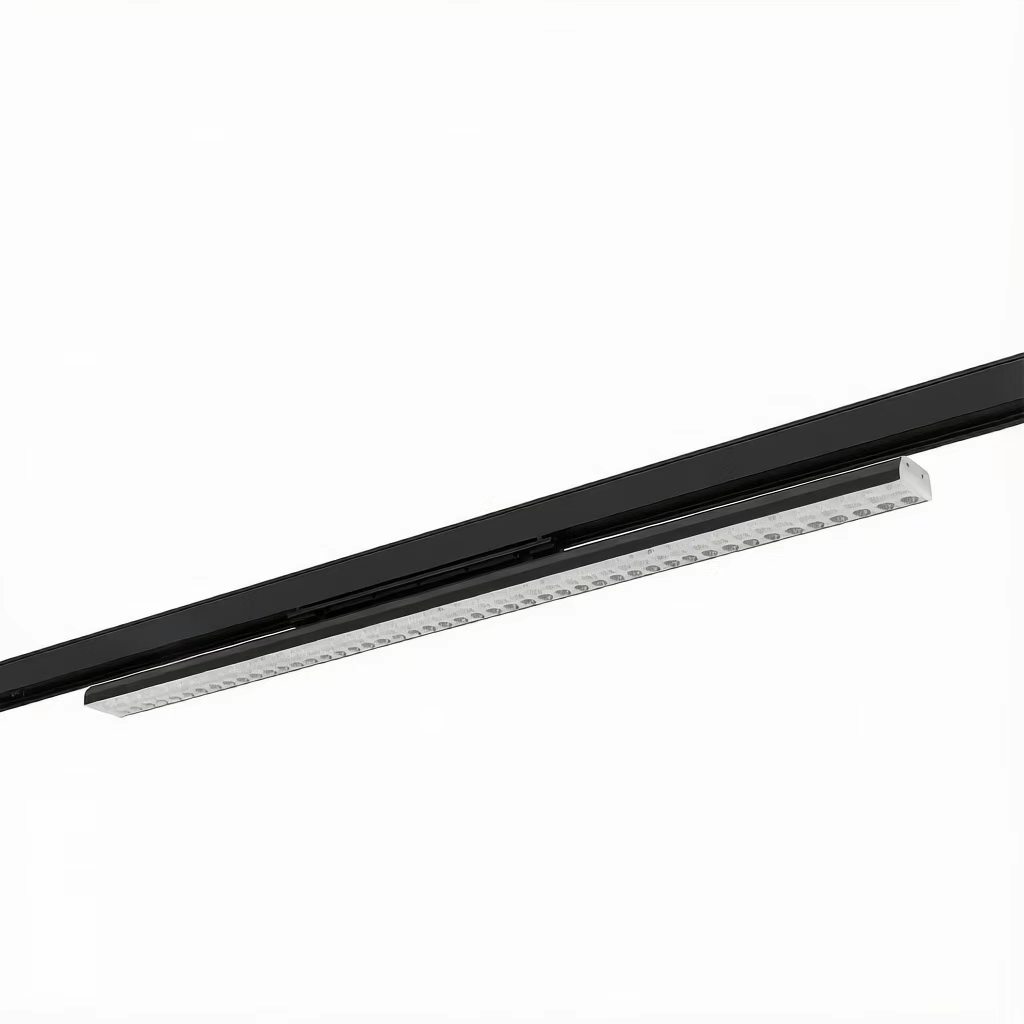
Choosing the right commercial LED track light requires more than comparing wattage or unit price. A reliable specification must consider the application, mounting height, required light distribution, color quality, dimming system, track compatibility, energy performance, and long-term maintenance requirements.
For B2B buyers, the best LED track light is not necessarily the fixture with the highest lumen output or the lowest purchase cost. It is the product that delivers the required lighting performance while remaining compatible with the project’s electrical infrastructure, installation conditions, commercial design objectives, and future procurement needs.
This guide explains how importers, distributors, lighting designers, contractors, and commercial project buyers can evaluate LED track lighting systematically before placing a sample or bulk order.
1. Start with the Commercial Lighting Application
The first step is to define what the lighting system must accomplish. A retail store, art gallery, hotel lobby, showroom, and office may all use track lighting, but they do not require the same optical performance or control strategy.
Track lighting is particularly useful in commercial environments because the heads can be aimed toward merchandise, architectural features, display walls, tables, or circulation areas. However, the fixture must be selected according to the visual task rather than simply installed wherever a track is available.
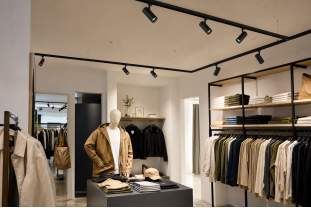
1.1 Retail stores and boutiques
Retail environments generally require a combination of ambient illumination and accent lighting. The lighting should make products attractive, preserve their actual colors, and allow displays to be changed without replacing the entire lighting system.
For fashion, cosmetics, jewelry, and premium merchandise, buyers should pay close attention to:
CRI performance
Wattage output
Beam angle and beam uniformity
Glare control
Dimming capability
Consistent CCT between fixtures
Adjustable aiming
Visual appearance of the fixture housing
A narrow beam can emphasize a mannequin, product table, or jewelry display, while a medium beam is usually more suitable for shelves and general merchandise. The correct choice depends on ceiling height, display size, and the distance between the fixture and the target surface.
1.2 Showrooms and exhibition spaces
Showrooms often contain products with different sizes, colors, and display arrangements. A flexible track lighting system should therefore support frequent repositioning and, where possible, multiple beam angles or selectable CCT settings.
Automotive showrooms, furniture stores, kitchen showrooms, and building-material exhibitions may require higher lumen output than small retail stores because of larger ceiling heights and wider display areas. Nevertheless, simply increasing wattage is not always the best solution. Precise beam control can reduce wasted light and improve the visual emphasis of important products.
1.3 Museums and art galleries
Museums and galleries require a more specialized approach. Color accuracy, beam precision, glare control, flicker performance, and protection of sensitive materials can be more important than maximum brightness.
For these applications, buyers should request:
High CRI and strong R9 performance
Verified color consistency
Low-flicker or flicker-free driver performance
Precise narrow-beam optics
UV and infrared-related information where relevant
Dimming suitable for exhibition scenes
Photometric files and sample testing
Museum-grade specifications should be confirmed for the exact model rather than assumed from a general product range. A fixture marketed as “high CRI” may still require further verification through test reports and sample evaluation.
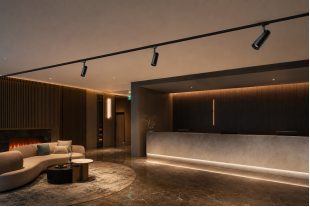
1.4 Hotels, restaurants, and hospitality projects
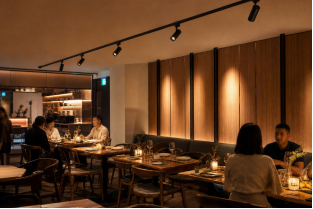
Hospitality lighting usually combines atmosphere with functional visibility. Warm CCT options, smooth dimming, quiet operation, attractive housing finishes, and reliable long-term performance are often important.
Restaurants and hotel lobbies may use warmer light for a welcoming atmosphere, while conference rooms, service areas, and workspaces may require more neutral CCT settings. A dimmable LED track light can help operators adjust the lighting according to the time of day, event type, or customer experience.
1.5 Offices and general commercial areas
Offices and other work-oriented spaces generally prioritize uniformity, visual comfort, glare control, and energy efficiency. Track lighting may be used for reception areas, meeting rooms, corridors, display zones, or flexible workspaces, but it should not automatically replace a dedicated general lighting system.
Where track lights are used for functional illumination, buyers should review the required illuminance, beam spread, glare limitations, and control system before selecting the fixture.
2. Confirm the Track Type Before Comparing Fixtures
Track compatibility is one of the most important and frequently overlooked purchasing factors. A high-quality LED track light is not useful if its adapter does not match the existing track system.
Commercial track systems may differ by:
Mechanical profile
Number of circuits
Adapter design
Contact arrangement
Electrical rating
Regional standard
Manufacturer-specific compatibility
Common track categories include single-circuit, two-circuit, and three-circuit systems. However, product names such as “H-type,” “J-type,” or “L-type” should not be treated as universally interchangeable. The buyer should confirm the exact track standard with the supplier and, when necessary, provide photos or samples of the installed rail.
Track compatibility checklist
Before placing an order, confirm:
Item
What the buyer shoul verify
Track Type
Exact mechanical and electrical track standard
Circuit type
Single circuit; three circuit
Adapter
Correct locking mechanism and contact arrangement
Input Voltage
Compatibility with the project's electrical supply
Maximum load
Total connected wattage permitted by the track system
Installation direction
Whether the adapter supports the required orientation
Replacement compatibility
Whether the new head can be used with existing rails
Testing
Sample installation on the actual or equivalent track
For European projects, the buyer should be especially careful when replacing existing fixtures or supplying products for a multi-country rollout. Track compatibility should be documented in the quotation, technical datasheet, and purchase order rather than confirmed only through informal communication.
3. Evaluate Lumens Instead of Wattage Alone
Wattage indicates electrical power consumption, but it does not directly describe how much useful light a fixture produces. For commercial purchasing, lumen output and system efficacy are more meaningful than wattage alone.
A 30W LED track light from one manufacturer may produce substantially more or less light than a 30W model from another manufacturer because of differences in:
LED package efficiency
Driver efficiency
Optical losses
Thermal design
Operating temperature
Product lifetime requirements
Measurement conditions
3.1 What to request from the supplier
A professional commercial lighting supplier should be able to provide:
Rated input power
Rated lumen output
System efficacy in lm/W
Input voltage and frequency
Driver brand or driver specification
Photometric test report where available
Operating temperature range
Lifetime and lumen maintenance information
Product dimensions and net weight
For accurate project design, lumen output should be evaluated together with beam angle, mounting height, aiming direction, and target surface. A high-lumen fixture with an unsuitable beam angle may create glare or excessive spill light rather than better illumination.
4. Select the Correct Beam Angle
Beam angle determines how widely the light is distributed. It influences the size of the illuminated area, the intensity of the central beam, the contrast between the product and its surroundings, and the amount of light that reaches unintended surfaces.
A narrow beam is generally appropriate for focused accent lighting, while a wider beam is more suitable for broad coverage. Industry buying guides commonly describe narrow beams around 15°–24°, medium beams around 24°–45°, and wide beams around 60° or more, although the exact classification varies by manufacturer and optical design.
Practical beam-angle guide
Beam Angle
Typical Lighting Effect
Suitable Application
15°-24°
Focused spotlight with strong visual emphasis
Jewelry, artwork, feature products
24°-36°
Balanced accent and display converage
Fashion retail, shelving, showroom displays
36-45°
Medium flood distribution
General retail areas, display walls, commercial interiors
60°
Broad coverage with lower visual concentration
Ambient support, large dispalys, circulation areas
Beam angle should never be selected independently from mounting height. As the distance between the fixture and the target surface increases, the illuminated area also becomes larger. A narrow beam installed at a high ceiling may no longer produce the desired visual emphasis, while a wide beam installed close to a display may create excessive spill light.
4.1 Fixed beam angle or zoomable optics?
Fixed optics are often suitable when the project has stable display layouts and predictable lighting requirements. They may also offer advantages in cost, optical consistency, and simplified product selection.
The same product is used across multiple project types
Ceiling heights vary
A distributor wants to reduce the number of optical SKUs
The buyer needs to adjust the beam after installation
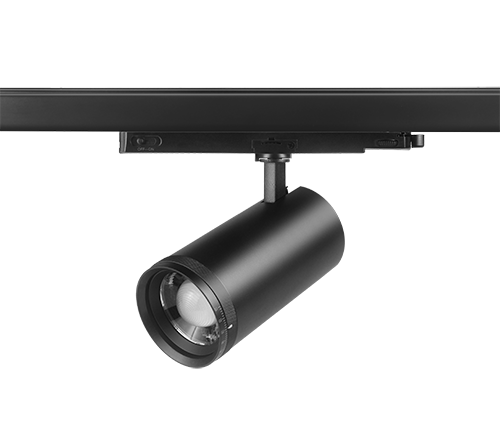
However, zoomable products should be evaluated for beam uniformity, adjustment mechanism quality, optical stability, and long-term reliability. A zoomable specification is valuable only when the beam remains clean and consistent across its adjustment range.
5. Choose CCT According to the Commercial Environment
Color correlated color temperature, or CCT, affects the visual atmosphere of a space. Common commercial LED track lighting options include 2700K, 3000K, 3500K, 4000K, and 5000K, although the appropriate range depends on the project and local design preferences.
General CCT guidance
CCT
Visual Appearance
Common commercial applications
2700K
Warm and intimate
Hospitality, restaurants, luxury interiors
3000K
Warm white with good product appeal
Fashion, hotels, showrooms
3500K
Balanced warm-neutral appearance
Retail, cosmetics, mixed commercial spaces
4000K
Neutral white and clean appearance
General retail, offices, supermarkets, showrooms
5000K
Cooler and more task-oriented
Technical areas, selected commercial and industrial spaces
The correct CCT is not determined by brightness. A brighter fixture with an unsuitable color temperature can make a retail environment feel uncomfortable or distort the intended visual identity of the brand.
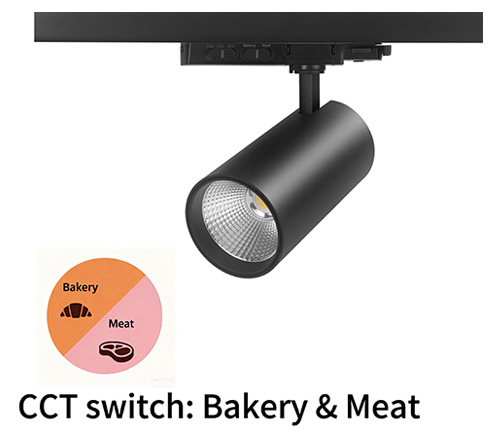
For multi-zone commercial projects, it is often better to establish a CCT strategy by area. For example, a fashion store may use 3000K or 3500K for the main sales floor, while storage and service areas may use a more neutral CCT. Food retail may require different settings for bakery, meat, produce, and general circulation zones.
6. Check CRI, R9, and Color Consistency
Color rendering is essential when the lighting must show products, materials, skin tones, food, artwork, or decorative finishes accurately.
CRI, commonly expressed as Ra, provides a general indication of color rendering quality. For customer-facing retail and hospitality environments, CRI 90 or higher is often used as a practical specification target, while premium retail, museums, and galleries may require CRI 95 or higher. However, CRI should not be evaluated alone. R9 is particularly relevant for deep red tones, skin tones, food, wood, textiles, and certain merchandise.
For commercial procurement, request:
CRI value
CCT tolerance
SDCM or MacAdam step information
TM-30 data where relevant
Spectral distribution data for specialized projects
Sample approval under the intended installation conditions
A product described as “CRI 90+” may still produce different visual results depending on its R9 performance and spectral distribution. For fashion, cosmetics, jewelry, food, and museum applications, the buyer should evaluate actual samples rather than relying only on a headline specification.
Color consistency is also important when multiple track heads are installed in the same room. A mixed batch with visibly different CCT or tint can make the project appear inconsistent, even when every individual fixture technically meets its stated rating.
7. Select the Correct Dimming and Control System
Dimming should be selected according to the building’s control infrastructure, not simply added as a marketing feature. Different dimming methods require different drivers, wiring arrangements, control devices, and commissioning procedures.
Common options include:
Triac or phase-cut dimming
0–10V dimming
Triac or DALI-2
Wireless control systems
Non-dimmable & Dimmable operation
Triac dimming
Triac dimming can be useful for retrofit projects and installations that already use compatible wall dimmers. It is relatively familiar to many contractors, but compatibility must be confirmed between the LED driver and the actual dimmer model.
Potential issues include:
Flicker at low dimming levels
Limited dimming range
Minimum load requirements
Audible noise
Inconsistent startup behavior
Compatibility problems with different dimmer brands
0–10V dimming
0–10V systems are commonly used for commercial zone-level control. They require suitable control wiring and compatible drivers, making them more appropriate when the project has been designed around a dedicated lighting control system.
DALI and DALI-2
DALI-based systems can support addressable control, grouping, scene setting, and more detailed lighting management. They are particularly relevant for larger commercial projects, premium retail, hospitality, and buildings where lighting control is integrated with a broader automation system.
The buyer should confirm whether the product is genuinely compatible with the required DALI specification and whether the driver documentation, certification, and commissioning requirements are available. “DALI compatible” should not be treated as sufficient technical evidence without further verification.
Dimming procurement checklist
Question
Why it matters
Which dimming protocol is required
Prevents system incompatibility
What is the actual dimming range?
Confirms whether low light levels are achievable
Is flicker controlled througout the range?
Supports visual comfort and camera compatibility
Has the driver been tested with the intended controller?
Reduces installation risk
Is a minimum load required?
Prevents unstable operation
Is the driver replaceable?
Improves long-term maintentance
Is commissioning support available?
Helps contractors complete the project correctly
8. Consider Glare, Flicker, and Thermal Performance
Commercial lighting quality is not determined by lumen output alone. Excessive glare, visible flicker, unstable dimming, and poor thermal management can reduce the practical value of a fixture.
Glare control
Glare may be caused by:
Exposed LED sources
Poor reflector design
Incorrect beam angle
Excessive mounting angle
High luminance in the direct field of view
Incorrect spacing between fixtures
For retail and showroom projects, anti-glare reflectors, recessed light sources, shielding accessories, and carefully designed optical systems can improve visual comfort while maintaining sufficient light on the merchandise.
Flicker performance
Flicker should be evaluated especially in environments involving cameras, video recording, digital displays, or prolonged visual tasks. Buyers should request driver information and, where necessary, flicker test data rather than relying only on the phrase “flicker-free.”
Thermal management
LED lifetime depends heavily on junction temperature and the ability of the fixture to dissipate heat. The housing, heat sink, driver placement, ventilation, and operating environment all influence long-term performance.
A clear product data table makes it easier for buyers, engineers, distributors, and AI search systems to understand the product. It also reduces ambiguity during quotation and purchasing.
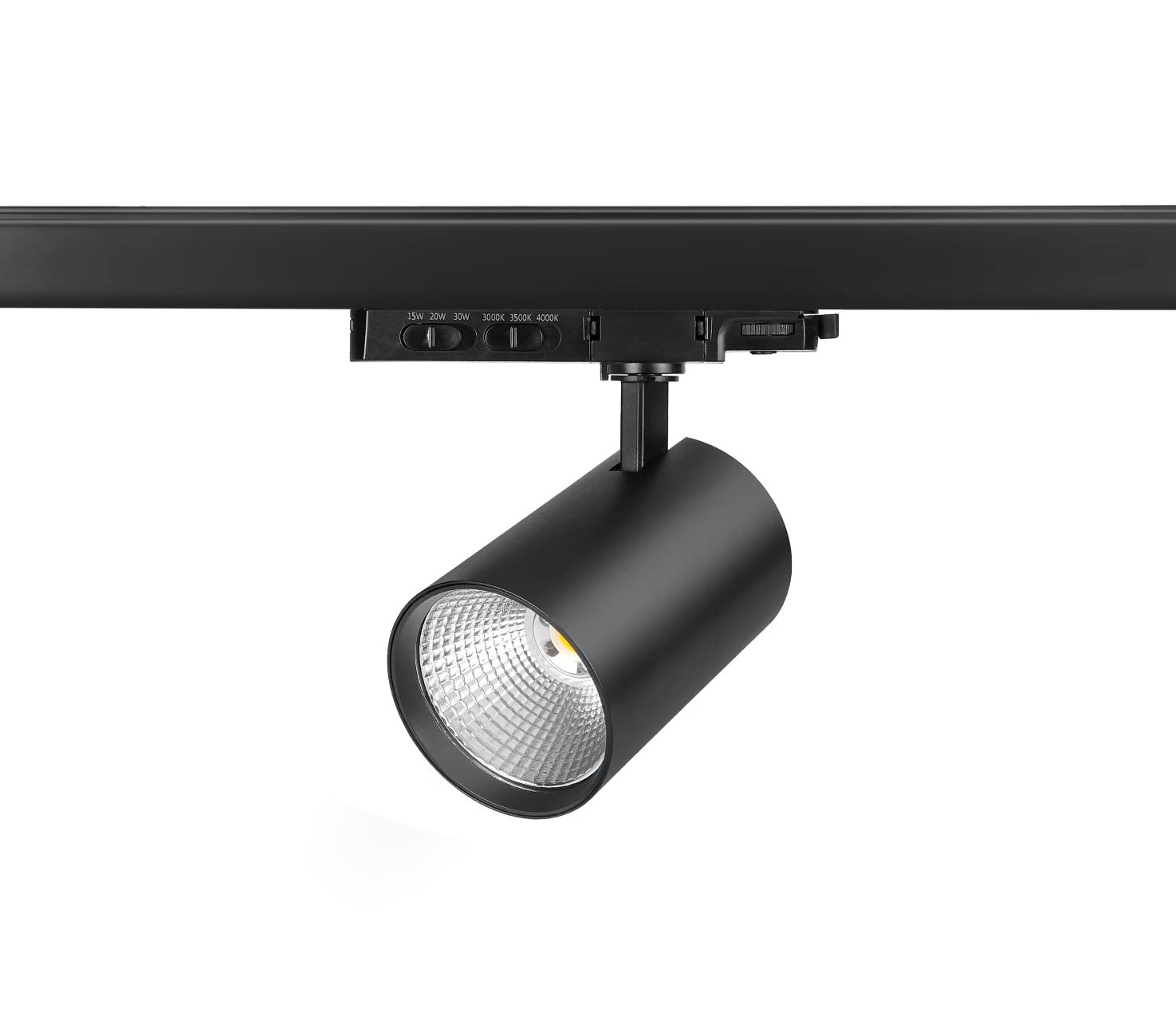
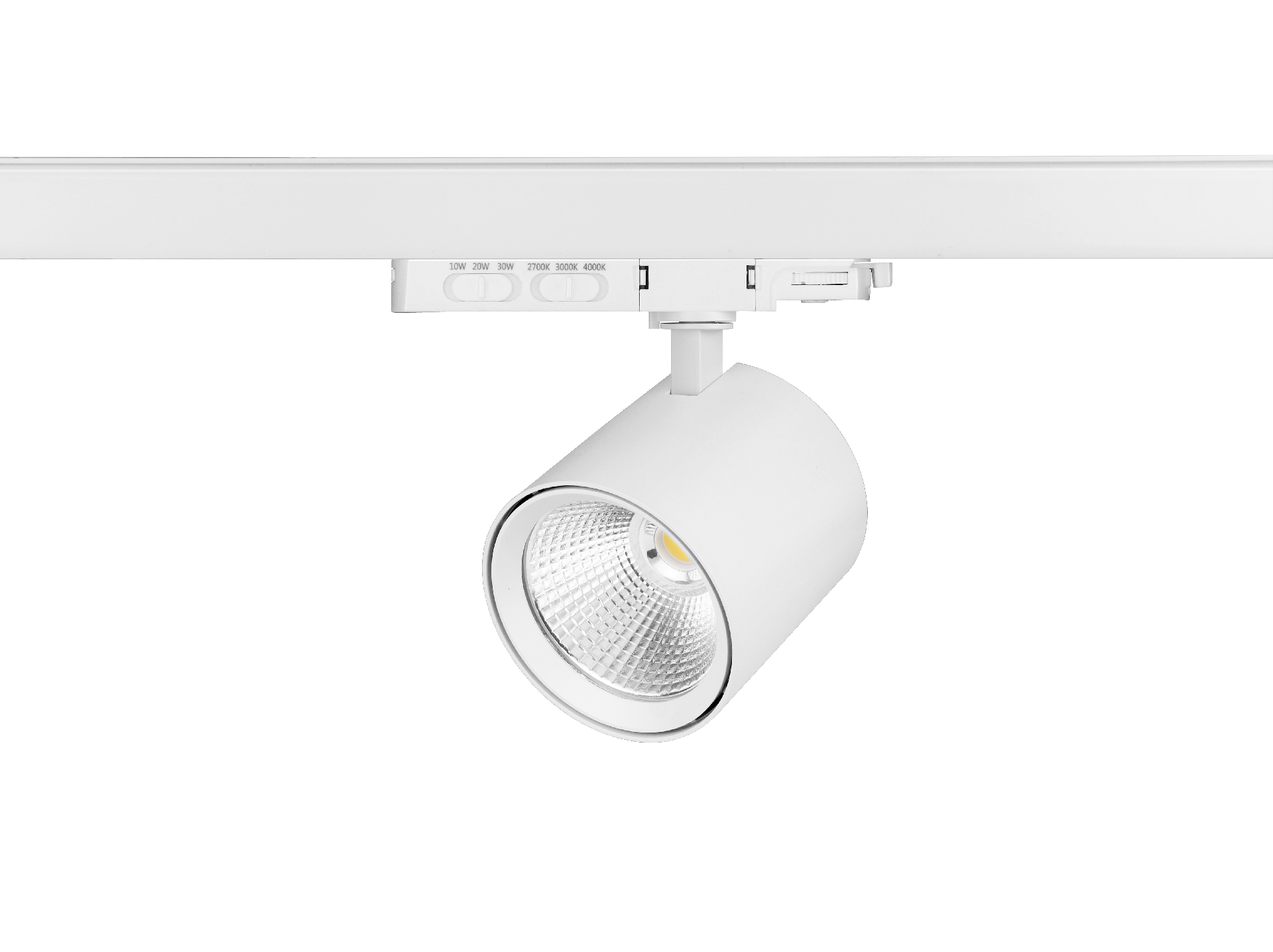
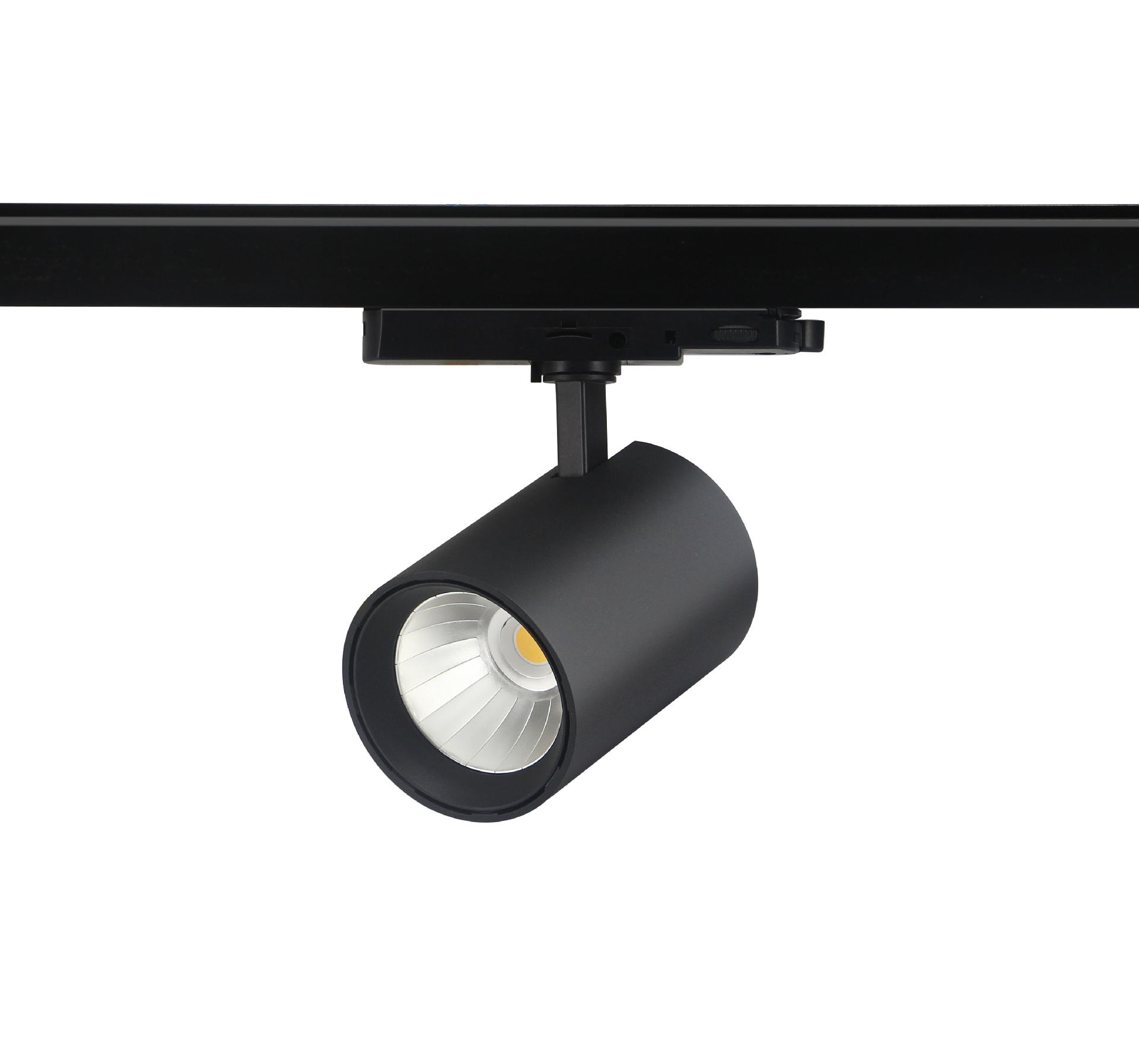
The following table is an example specification format for a configurable commercial LED track light. Exact values should be confirmed against the selected model and final production datasheet.
Example commercial LED track light specification table
Specification
Configuration Recommendation
Buyer verification Point
Product Type
Led track light; led track spotlight;; 3CCT track light
Confirm intended application
Power Options
15W-20W-30W switwchable
Confirm actual output at each setting
CCT options
2700K-3000K-4000K Adjustable
Confirm switch position and tolerance
Dimming
Triac dimmablbe, model dependent
Test with the intended dimmer
Beam angle
15°/24°36°60° model depedent
Request optical fiels or samples
Color rendering
CRI90+ for selected commercial models
Confirm R9 and test report
Efficiency
Model dependent, up to approcimately 100-110lm/w for selected products
Confirm complete-fixture efficiency
Track Adapter
Most common 3 phase 4 wire track adapter
Confirm exact rail compatibility
Customization
OEM/ODM available for selected models
Confirm MOQ tooling, packaging, and lead time.
Why switchable wattage and CCT led track light matter for distributors
A product with three selectable power levels and three selectable CCT settings can cover nine configuration combinations: 3POWER +3CCT=9PCS track lights
This type of product can help distributors simplify their commercial lighting portfolio, reduce duplicated SKUs, and respond to different project requirements with fewer stocked models. However, the actual inventory benefit depends on customer demand, product reliability, packaging, driver design, and whether the switchable settings are clearly documented.
For B2B buyers, switchable products should be assessed not only as lighting fixtures but also as inventory-management tools. The key questions are whether one product can genuinely replace several fixed-specification models and whether the product can maintain consistent performance across all selectable settings.
10. Request the Right Documents from the Supplier
A professional quotation should include more than a unit price. Before bulk purchasing, buyers should request a complete technical and commercial package.
Essential technical documents
Product datasheet
Installation instructions
Track compatibility information
Driver datasheet
Dimming compatibility list
Photometric files, such as IES or LDT
Electrical safety and EMC documentation
Certification documents applicable to the destination market
Warranty terms
Packaging specifications
Sample photographs or videos
Production lead time
Recommended spare-parts policy
For European projects, CE marking should be supported by appropriate technical documentation and applicable conformity information. Buyers should avoid treating “CE” as a substitute for checking the actual product’s compliance scope, test reports, declarations, and destination-market requirements.
Questions to ask before placing a purchase order
Is the quoted lumen output measured from the complete fixture?
Which track systems are compatible with the supplied adapter?
Are all selectable wattage and CCT settings tested during production?
What is the actual dimming range?
Which dimmer or control systems have been tested?
Can the supplier provide IES or LDT files?
What are the CRI, R9, and SDCM values?
Are the certification documents valid for the exact model?
What is the warranty coverage and exclusion policy?
Can the supplier provide replacement drivers or adapters?
Is OEM/ODM packaging or labeling available?
What are the MOQ, sample policy, and production lead time?
11. Compare Total Cost of Ownership, Not Just Unit Price
The lowest unit price may not produce the lowest project cost. Commercial buyers should consider the full cost of purchasing, installing, operating, maintaining, and replacing the lighting system.
Important cost factors include:
Purchase price
Shipping volume and packaging efficiency
Installation labor
Driver compatibility
Energy consumption
Replacement frequency
Spare-part availability
Warranty handling
Product failure rate
Inventory carrying cost
Cost of incorrect specifications
Cost of project delays and rework
A reliable LED track light with better optical control may reduce the number of fixtures required. A switchable product may reduce the number of SKUs that a distributor must stock. A dimmable product may support different customer applications without requiring separate non-dimmable and dimmable models.
These benefits should be evaluated through the actual project and sales model rather than assumed universally. For distributors, the most valuable product is often the one that balances technical flexibility, stable quality, manageable MOQ, clear documentation, and predictable delivery.
Frequently Asked Questions
1. What is the best LED track light for commercial projects?
The best LED track light depends on the application, mounting height, beam angle, required lumen output, color quality, track compatibility, and dimming system. For retail and showroom projects, buyers often prioritize adjustable aiming, CRI 90 or higher, suitable beam angles, and dimming compatibility. For museums and galleries, color accuracy, glare control, flicker performance, and optical precision may be more important than maximum wattage.
2. How many watts should a commercial LED track light have?
There is no universal wattage for every commercial project. A 15W–20W fixture may be suitable for smaller displays or lower mounting heights, while a 30W or higher model may be required for larger displays, higher ceilings, or stronger accent lighting. Wattage should be selected together with lumen output, beam angle, mounting height, and the required illuminance on the target surface.
3. Is a 30W LED track light suitable for retail stores?
A 30W LED track light can be suitable for retail stores, showrooms, and display areas when its lumen output and beam angle match the project requirements. It may be used for stronger accent lighting or larger display areas, but the final selection should be based on photometric data rather than wattage alone.
4. What beam angle is best for retail track lighting?
A 15°–24° beam angle is generally useful for focused accent lighting, while 24°–36° is often a practical starting point for merchandise displays. Wider beams such as 60° can support broader coverage. The correct beam angle depends on the display size, mounting height, aiming direction, and desired contrast.
5. Is CRI 90 enough for commercial LED track lighting?
CRI 90 or higher is a practical target for many retail, showroom, and hospitality applications. However, CRI should be reviewed together with R9, CCT consistency, and actual sample performance. Premium fashion, cosmetics, jewelry, museum, and gallery projects may require higher CRI and more detailed color-rendering data.
6. What is the difference between Triac and DALI dimmable track lights?
Triac dimming is commonly used with compatible phase-cut dimmers and may be convenient for retrofit applications. DALI provides more advanced digital control, including grouping, addressing, and scene management. The correct choice depends on the building’s existing control system, wiring, project size, and commissioning requirements.
7. Can one switchable LED track light replace several fixed models?
A switchable LED track light can reduce the number of stocked configurations when it combines multiple power and CCT settings in one product. For example, three selectable wattages and three selectable CCTs provide nine combinations. The distributor should still confirm reliability, labeling, customer acceptance, and whether all settings meet the required performance.
8. What documents should I request from an LED track light manufacturer?
Request the datasheet, installation instructions, driver information, track compatibility details, photometric files, certification documents, warranty terms, packaging specifications, and sample-testing information. For dimmable products, also request the tested dimmer or control-system compatibility list.
9. Should I order samples before a bulk purchase?
Yes. A sample should be tested on the intended or equivalent track system and evaluated for brightness, beam shape, color quality, dimming behavior, flicker, housing finish, adapter compatibility, and installation convenience. Sample approval can prevent expensive problems during bulk production and project installation.
10. How can B2B distributors reduce LED track light inventory costs?
Distributors can reduce inventory costs by selecting products with flexible power and CCT settings, standardizing compatible track adapters, limiting duplicated housing variations, and working with a supplier that supports stable quality and predictable lead times. A product portfolio should be simplified based on actual customer demand rather than reducing SKUs without considering project requirements.
Conclusion
Selecting the right commercial LED track light requires a structured evaluation of application, track compatibility, lumen output, beam angle, CCT, CRI, dimming, glare, reliability, documentation, and total cost of ownership. A fixture that appears attractive on price may create additional costs if it produces inconsistent color, fails to work with the existing track, flickers during dimming, or lacks the documentation required for commercial projects.
For importers, distributors, and project buyers, the most effective purchasing strategy is to define the technical requirements first, compare products using a consistent specification table, test samples under realistic conditions, and confirm all critical details in the purchase order. Flexible products such as switchable wattage and CCT LED track lights can also support portfolio simplification and reduce inventory pressure when their performance and reliability are properly verified.
A professional LED track light supplier should therefore provide more than a product catalogue. The supplier should support the buyer with accurate datasheets, photometric files, compatibility information, certification documents, samples, customization options, and dependable after-sales service.
 Tel.+86 15013617190
 Email:info@pustlux.com