Track Light vs Linear Track Light: Which Is Better for Commercial Lighting Projects?
For many commercial projects, however, the most flexible solution is not to choose one technology over the other. Combining LED track lights with linear track lights allows designers and contractors to create both general illumination and focused accent lighting within the same track lighting system.
This article compares track lights vs linear track lights from a commercial buyer's perspective, including beam angle, power, CCT, CRI, lighting distribution, retail applications, project flexibility, inventory considerations, and the advantages of using both lighting types together.
1. Track Light vs Linear Track Light: What Is the Main Difference for commercial lighting?
The fundamental difference between an LED track light and a linear track light is the way each fixture distributes illumination.
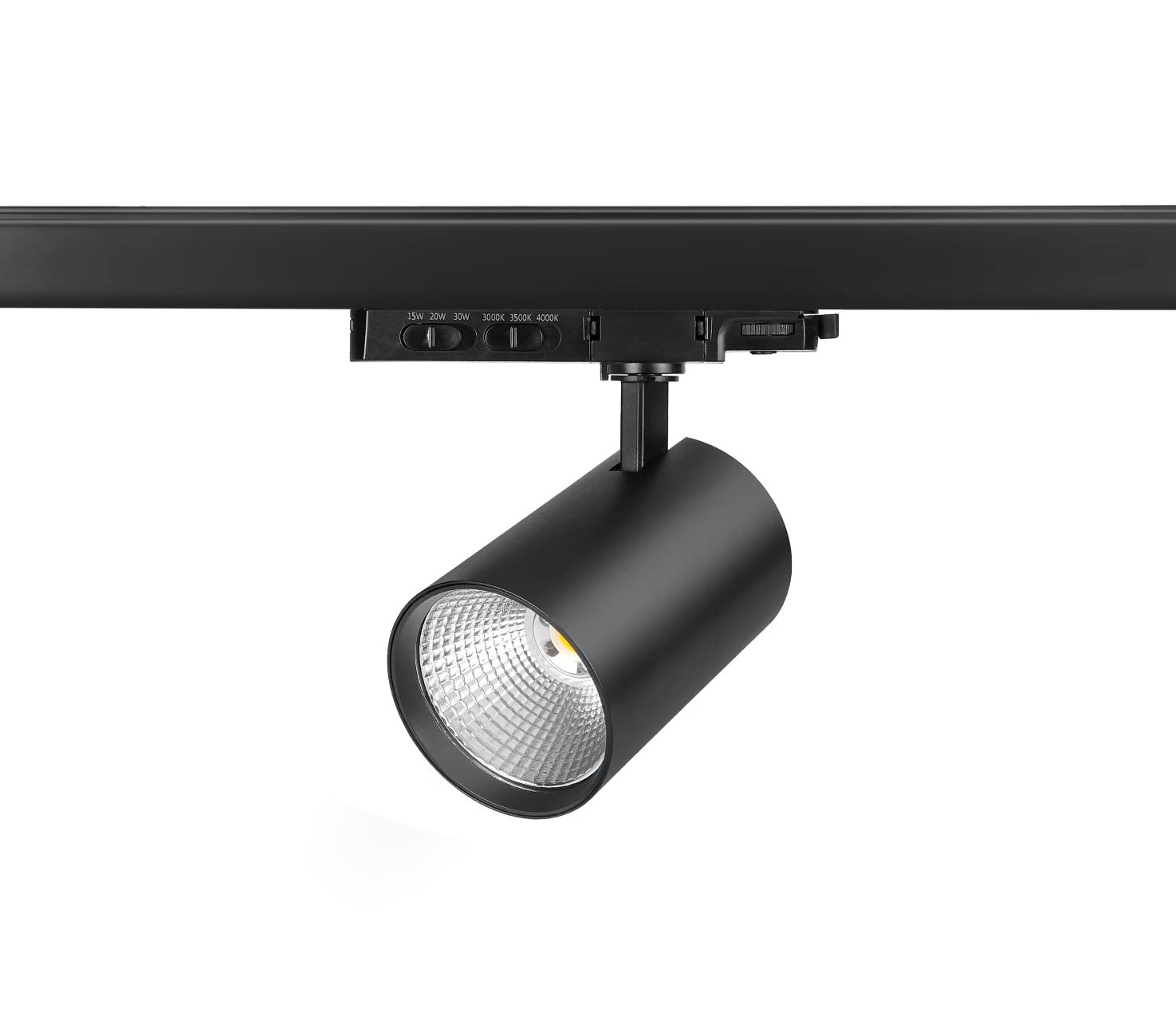
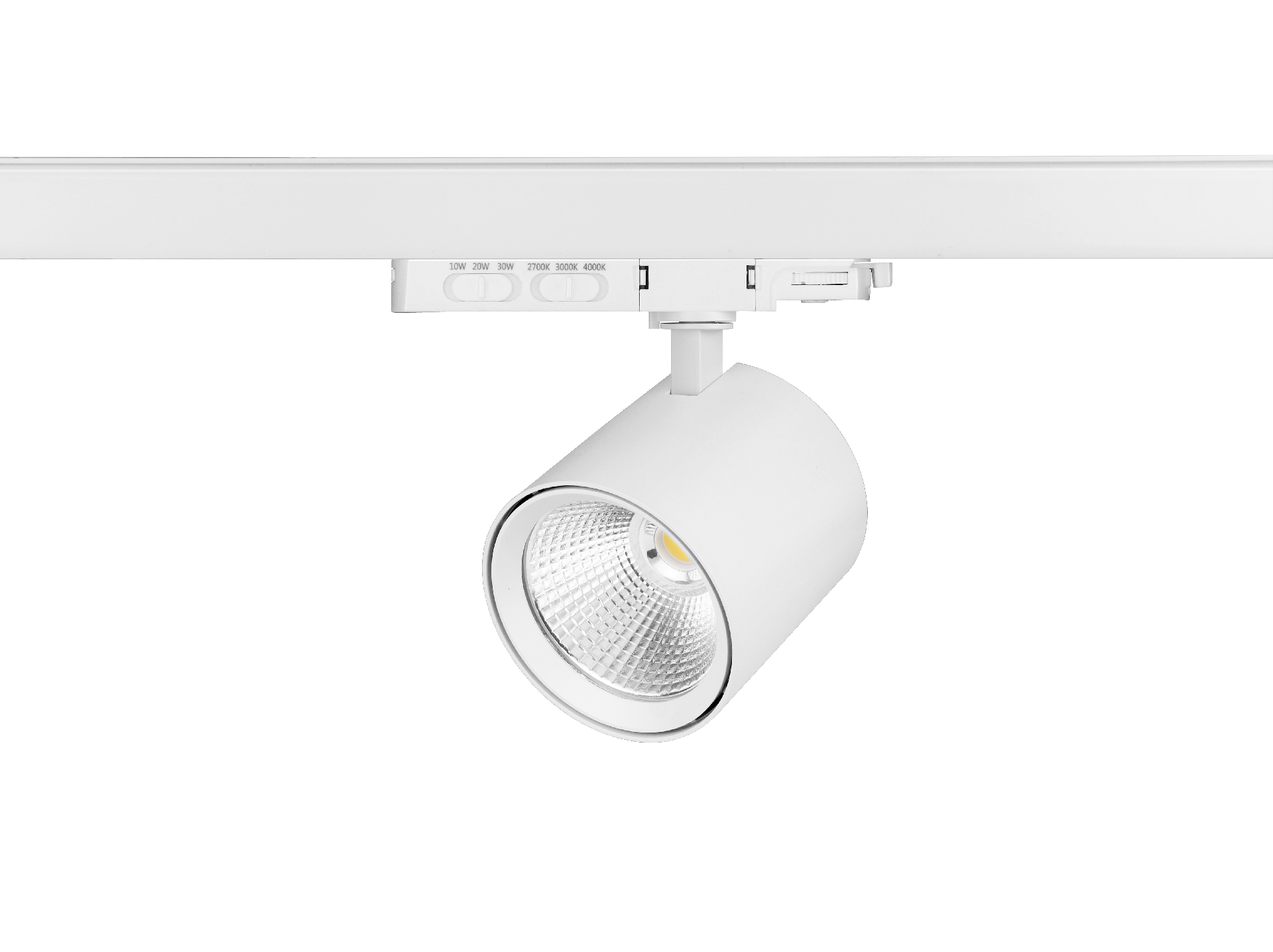
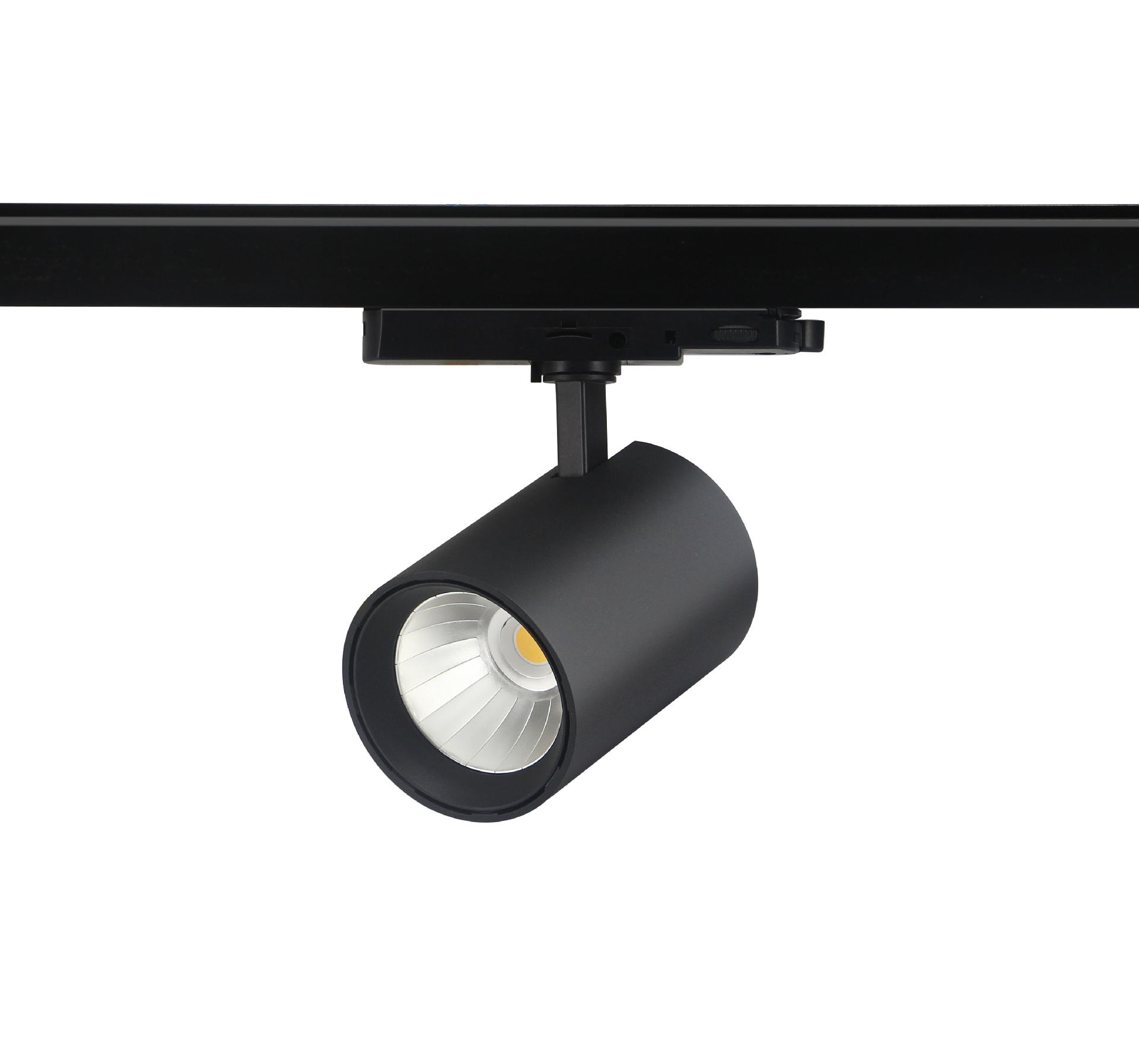
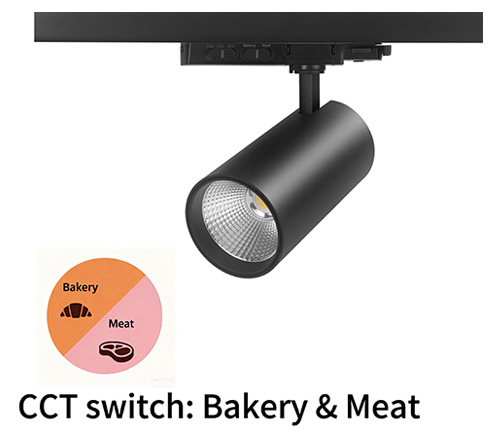
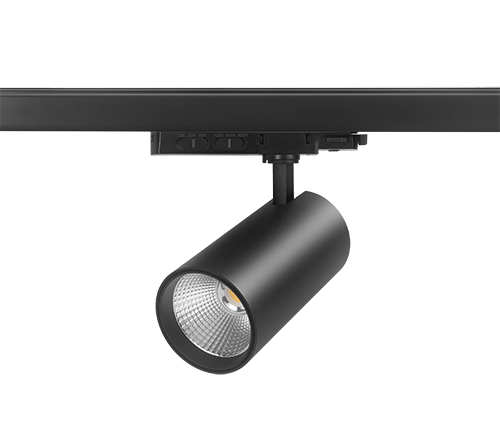
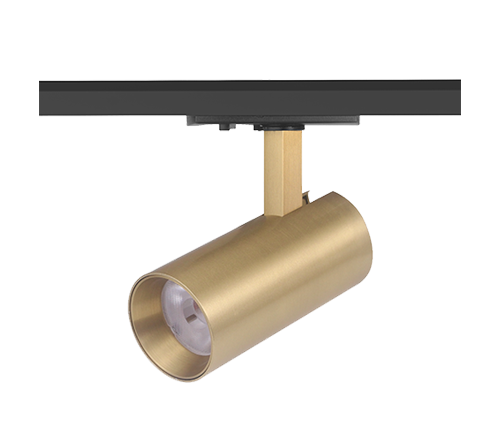
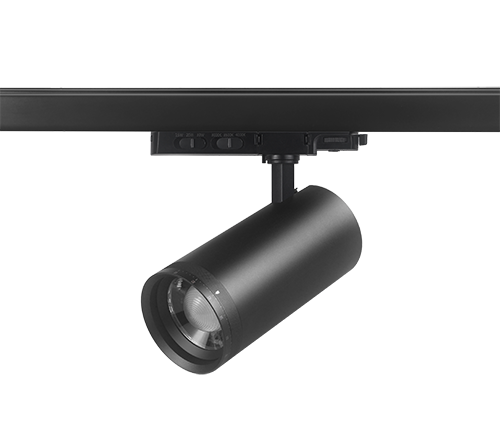
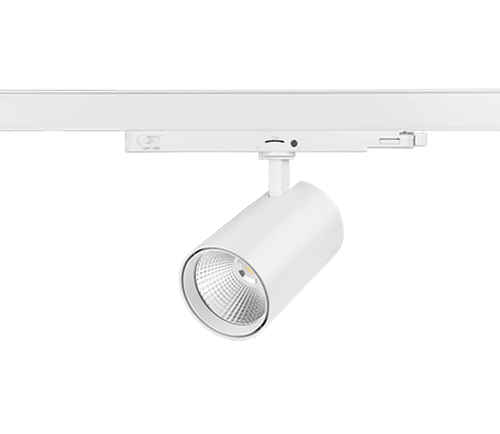
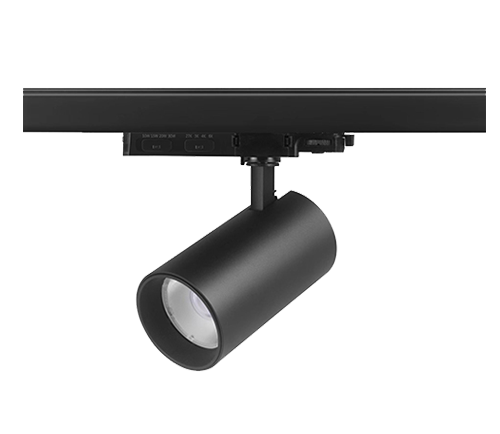
An CCT LED track light is normally designed as a directional spotlight. Its optical system concentrates light toward a particular area, allowing the fixture to highlight merchandise, displays, artwork, architectural surfaces, or other focal points. Because the fixture can generally be adjusted along the track and aimed toward the target, it provides a high level of flexibility for commercial environments where visual merchandising is important.
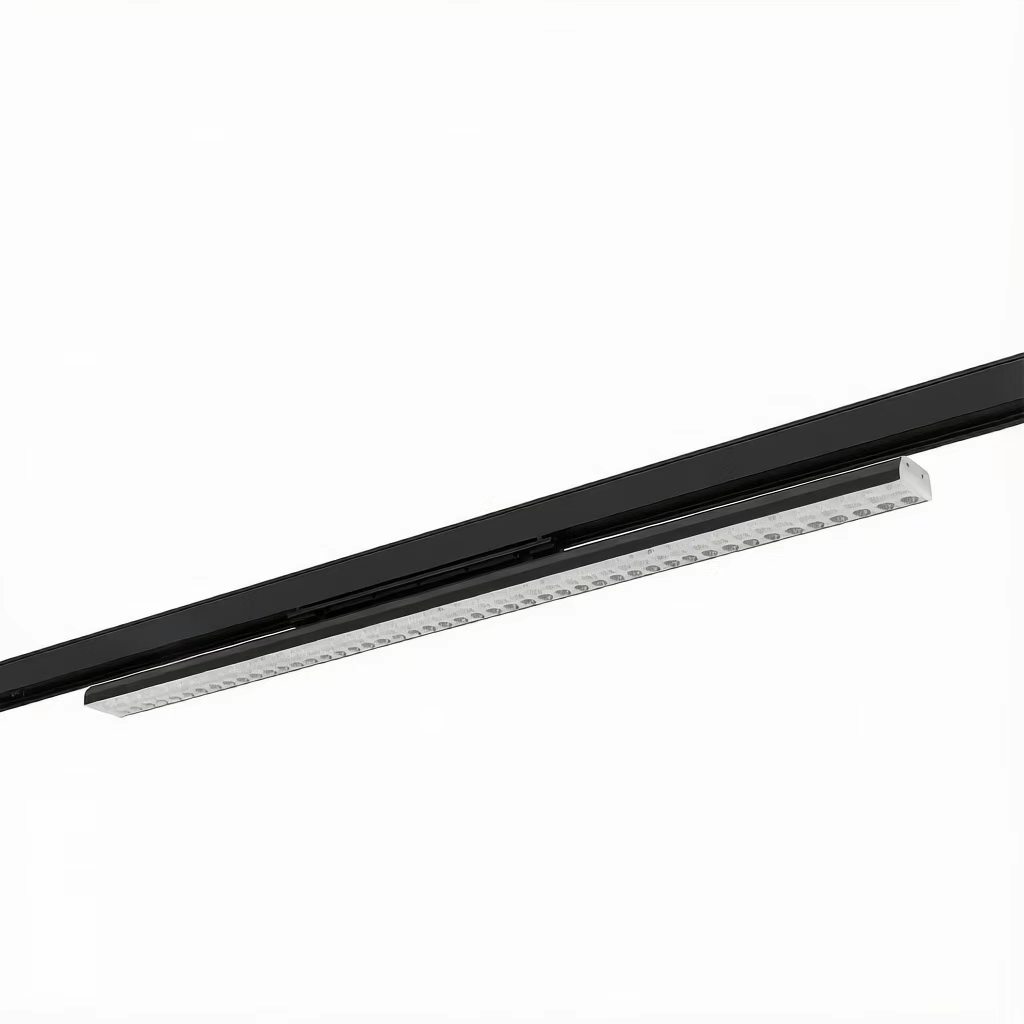
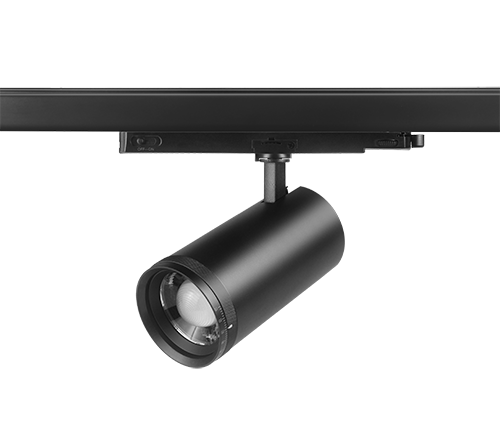
A linear track light takes a different approach. Instead of concentrating illumination into a relatively narrow beam, it uses a longer LED light source and a wider distribution to illuminate a larger area. The new linear track light configuration discussed in this article uses an 80° beam angle, making it particularly suitable for general and broad-area commercial illumination.
This creates two different lighting functions:
Track spotlighting focuses attention, while linear track lighting establishes broader illumination.
For this reason, the two products should not always be considered direct substitutes. They can perform different roles within the same commercial lighting project.
| Feature | LED track light | Led linear track light |
| Primary function | Directional and accent lighting | Broad-area illumination |
| Light distribution | Focused | Wide |
| Beam Angle | 15/24/36/60 degree | 80 degree |
| Product highlighting | Excellent | Good |
| General illumination | Good as supplementary | Excellent |
| Power option | 15W-20W-30W switchable | DIP Switch: 45W-50W-55W-60W |
| CCT option | 2700K-3000K-4000K switchable | 3000K-4000K-5000K switchable |
| CRI | 90+ | 90 |
| Retail display | Excellent | good |
LED track lights are particularly effective when the lighting design needs to direct customers' attention toward specific products or architectural features.
In a fashion store, for example, a track spotlight can be aimed at a mannequin wearing a new collection. In a jewelry store, directional lighting can emphasize display cases and premium products. In a gallery or showroom, individual fixtures can be positioned toward artwork, products, or other important visual elements.
This directional capability is one of the primary reasons commercial LED track lighting remains popular in retail environments.
The lighting fixture does not simply illuminate the entire room. Instead, it helps establish a visual hierarchy by determining which products or areas receive greater emphasis.
Product Display and Accent Lighting
Product presentation is one of the strongest applications for LED track lights. Narrower or adjustable beam angles can concentrate illumination on merchandise without requiring the entire ceiling area to operate at the same visual intensity.
This is particularly useful for:
The main advantage is precision. When merchandise is frequently moved or displays are redesigned, adjustable track fixtures can be repositioned to follow the new layout.
Flexible Lighting for Changing Retail Layouts
Retail environments rarely remain static. Seasonal collections, promotional campaigns, new product launches, and changes in merchandising strategy can all affect the position of products.
A fixed lighting layout may become less effective when the merchandise moves.
Track lighting provides a practical solution because fixtures can be repositioned and redirected without replacing the entire lighting system. This makes it particularly valuable for commercial projects where flexibility is an important part of the lighting specification.
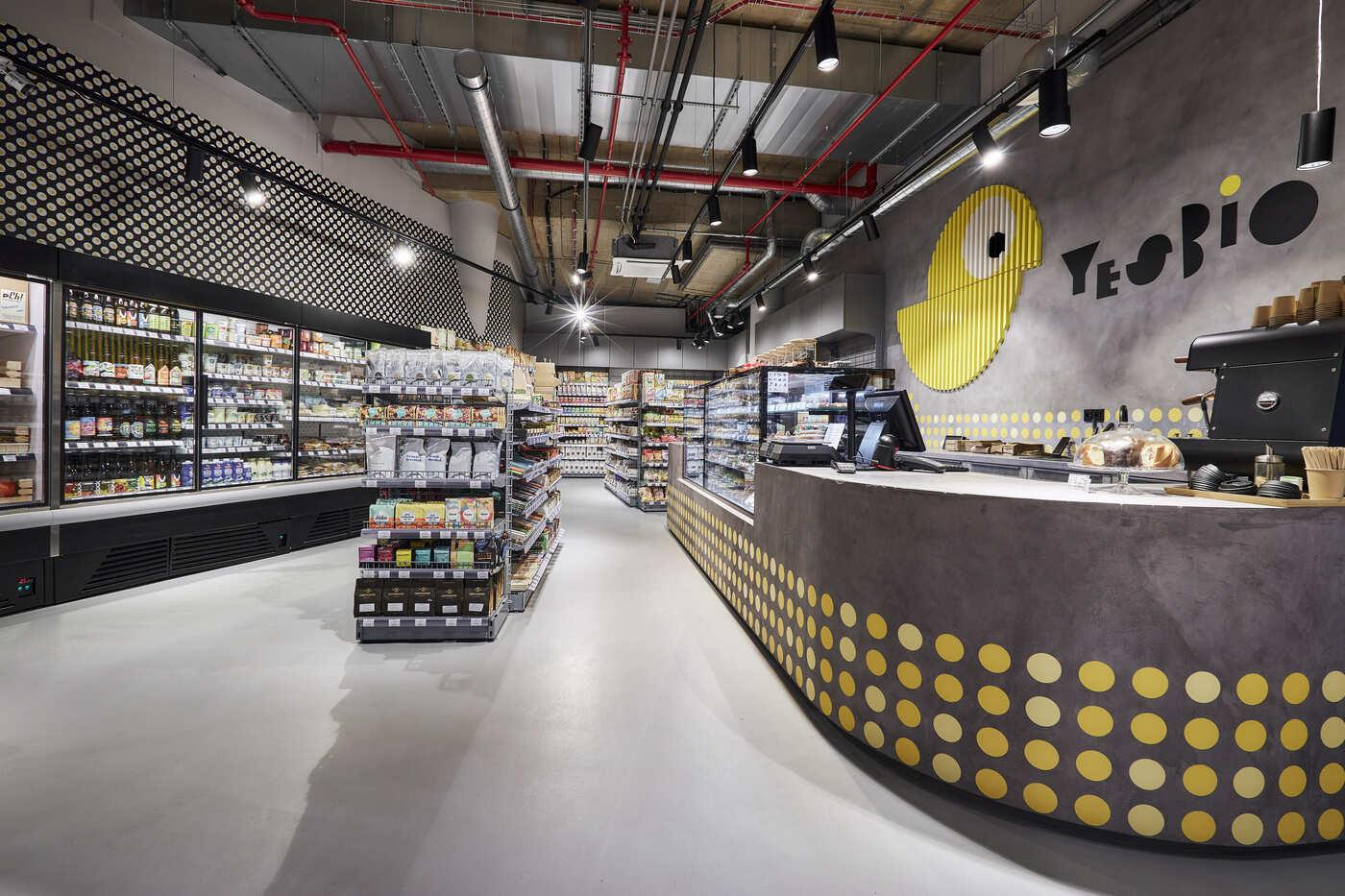
Linear track lights are designed to solve a different problem: providing broader illumination across a commercial space while maintaining the flexibility of a track-mounted system.
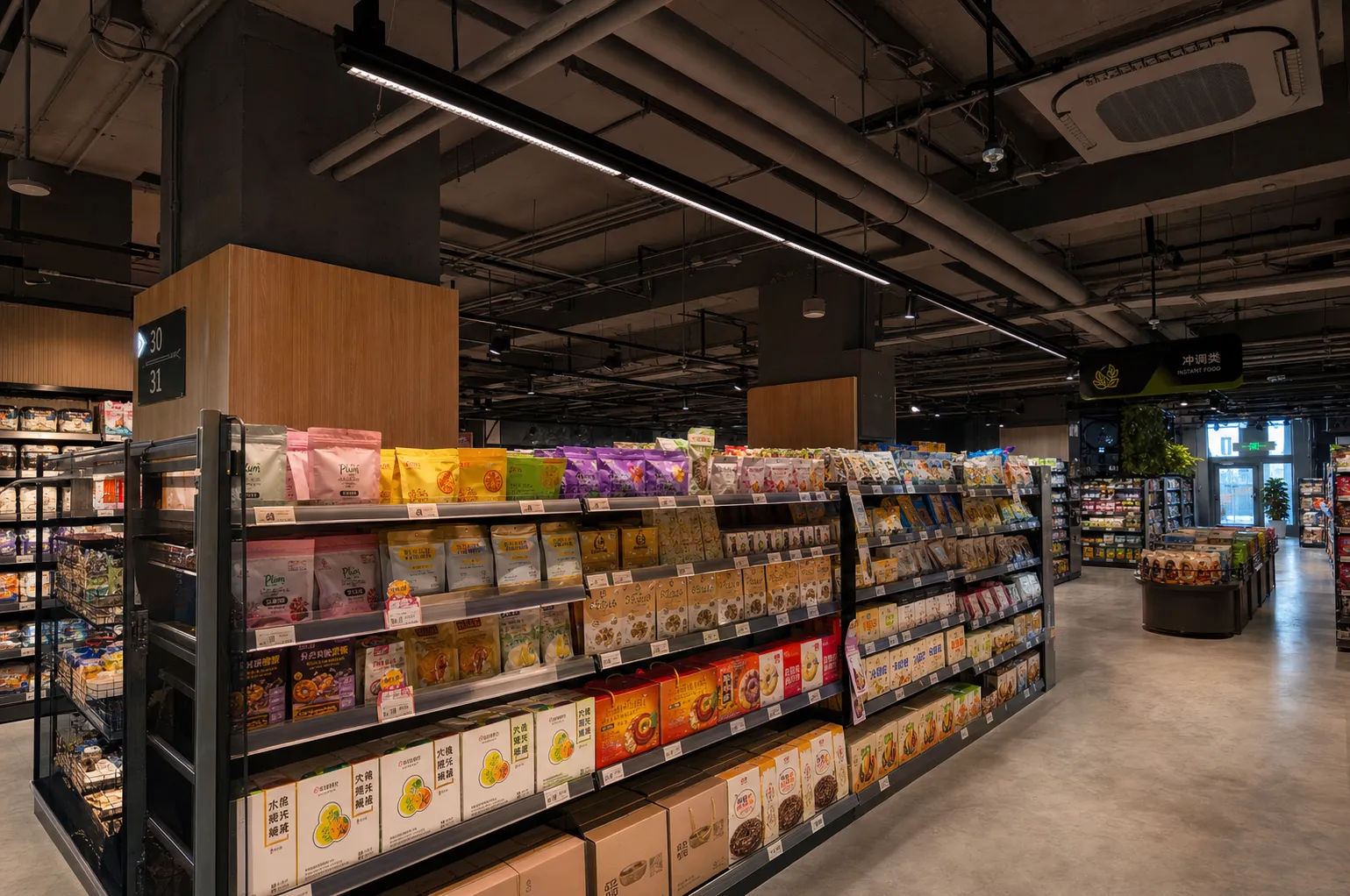
The new linear track light configuration features an 80° beam angle, which provides a much wider distribution than a highly focused spotlight. This makes it suitable for areas where the objective is to illuminate a larger floor area, aisle, display zone, or open sales space rather than emphasize a single product.
For commercial lighting designers, this can reduce the need to rely exclusively on multiple narrow-beam spotlights for general illumination.
Broad Illumination for Retail and Commercial Spaces
Linear track lights can be considered for:
The wide beam distribution helps create a more continuous lighting effect across the illuminated area.
Instead of asking a narrow-beam spotlight to perform both general and accent lighting functions, a linear track light can provide the broader lighting layer while directional track lights handle visual emphasis.
4. New Linear Track Light: 45W–60W Power Switchable and 3000K–5000K CCT Switchable
One of the most important advantages of the new linear track light is its switchable configuration.
The fixture provides four selectable power levels:
45W / 50W / 55W / 60W
At the same time, the CCT can be selected between:
3000K / 4000K / 5000K
This means that one fixture platform can accommodate different power and color-temperature requirements without requiring a completely different fixture for every configuration.
For commercial lighting projects, this flexibility can be valuable because lighting requirements are rarely identical throughout an entire building.
A retail store may have a lower-demand area near the entrance, a higher-demand sales floor, and different merchandise zones requiring different color temperatures. A switchable fixture allows the project team to make the final selection according to the actual application.
Linear Track Light Product Data
| Specification | New linear track light |
| Product type | Led linear track light |
| POWER | 45W-50W-55W-60W Switchable |
| CCT | 3000K-4000K-5000K Switchable |
| CRI | 90 |
| Beam Angle | 80 degree |
| Installation | track-mounted |
| Lighting distribution | Wide-area illumination |
| Main advantage | POWER & CCT switchable, more flexilbe |
Actual lumen output, product dimensions, driver specifications, track compatibility, electrical input, and other technical parameters should be confirmed with the final product datasheet for project specification.
Power selection is an important part of commercial lighting design because different areas may require different illumination levels.
A fixed-power fixture forces the project team to select a separate product whenever the required output changes. By contrast, a power-switchable fixture provides multiple options within one product platform.
The new linear track light can be configured at 45W, 50W, 55W, or 60W, allowing the same fixture design to support different project requirements.
| Power Setting | Potential application |
| 45W | Moderate general illumination |
| 50W | Balanced commercial lighting |
| 55W | Areas requiring higher output |
| 60W | Larger areas |
The correct power setting should not be selected based on wattage alone. Lighting designers should also evaluate lumen output, mounting height, spacing, surface reflectance, beam angle, target illuminance, and the overall lighting layout.
For B2B distributors, the switchable design may also simplify inventory planning because one product family can cover multiple power requirements. The actual SKU reduction depends on how products are packaged, ordered, stocked, and sold in each market.
6. How Does 3CCT Switchability Improve Lighting Flexibility?
Color temperature has a significant influence on the visual atmosphere of a commercial space.
The new linear track light provides 3000K, 4000K, and 5000K selectable CCT options, allowing the same fixture platform to adapt to different applications.
3000K for Warm and Premium Environments
3000K produces a warmer appearance and can work well in environments where the lighting design aims to create a comfortable and premium atmosphere.
Potential applications include fashion boutiques, furniture stores, lifestyle retailers, premium showrooms, and other customer-focused environments.
4000K for Balanced Commercial Illumination
4000K offers a neutral appearance and can be a practical choice for many general retail and commercial environments.
It may be considered for supermarkets, clothing stores, showrooms, commercial sales floors, and general merchandise areas.
5000K for a Crisp and Bright Appearance
5000K provides a cooler visual appearance and may be considered for applications where a crisp and bright lighting environment is preferred, such as certain automotive, technical, or functional commercial spaces.
The appropriate CCT ultimately depends on the merchandise, brand identity, architectural materials, customer experience, and lighting design objectives.
7.CRI 90 and Color Quality in Commercial Lighting
Color rendering is another important consideration when specifying LED lighting for commercial environments.
The new linear track light is specified with CRI 90, which provides good color rendering for a wide range of retail and commercial applications. This can be particularly relevant in stores where customers need to evaluate the appearance and color of products under artificial lighting.
For example, clothing retailers need customers to see fabric colors accurately, while furniture stores need materials and finishes to appear natural. In supermarkets, good color rendering can also contribute to the visual presentation of food and packaged products.
CRI should therefore be considered together with CCT, optical distribution, lumen output, and the specific requirements of the merchandise.
8. Track Light vs Linear Track Light for Retail Stores
Retail lighting is one of the clearest examples of where the two technologies can complement each other.
A retail store normally needs more than simple general illumination. It also needs visual hierarchy, product emphasis, comfortable circulation, and flexibility when the merchandising layout changes.
A linear track light can provide broad illumination across the sales floor, while conventional LED track lights can direct additional light toward selected products and displays. The advantage is that the lighting system does not need to rely on one fixture type to solve every problem.
9. Track Light vs Linear Track Light for Showrooms Lighting
Showrooms require a similar combination of general illumination and focused lighting.
A furniture showroom, for example, may need broad illumination across a large floor area while also highlighting specific furniture collections. A car showroom may require a visually consistent environment across the main display floor while using directional lighting to emphasize individual vehicles or brand elements.
Linear track lights can provide the broad lighting foundation, while LED track spotlights can be aimed at individual products. This combination can create a more flexible lighting environment without sacrificing the ability to highlight commercially important products.
10. Why Combine LED Track Lights and Linear Track Lights?
The strongest commercial advantage may come from using both technologies within the same project.
The linear track light can provide the general lighting layer, while LED track lights provide the accent lighting layer.
This approach solves a common problem in commercial lighting design: a single fixture type may be technically capable of illuminating a space, but it may not provide the ideal balance between coverage and visual emphasis.
With both technologies, the lighting designer can determine where broad illumination is required and where focused illumination is commercially valuable.
More Flexible Lighting Layouts
Because both products are track-mounted, the system can provide a high degree of flexibility when the layout changes.
A retailer can modify merchandise positions, introduce seasonal displays, or redesign sections of the store without necessarily redesigning the entire lighting infrastructure.
Better Balance Between General and Accent Lighting
Linear track lighting provides broad illumination through its 80° beam angle, while directional track lights can concentrate illumination on selected targets.
This allows the lighting design to create a more balanced visual environment instead of producing either excessive uniformity or excessive spotlighting.
Better Product Portfolio for Distributors
For importers and distributors, offering both product types also creates a broader commercial lighting portfolio.
The linear track light addresses customers looking for high-output, wide-beam illumination, while conventional track lights serve customers requiring adjustable accent lighting.
The new linear track light's switchable 45W–60W power and 3000K–5000K CCT further increase the number of applications that can be addressed with one product platform.
11. Track Light vs Linear Track Light: Which One Should You Choose?
The decision should start with the project's primary lighting objective rather than the fixture category.
If the project needs focused illumination, product highlighting, adjustable accent lighting, and strong visual hierarchy, LED track lights are usually the more appropriate choice.
If the project requires broader illumination across open commercial areas, a linear track light with an 80° beam angle may be more suitable.
If the project requires both functions, combining the two is often the most flexible approach.
| Projects Requirement | Best Choice |
Individual product highlighting
| 3CCT Led track light |
| Artwork accent lighting | 3CCT Led track light |
| Fashion display lighting | 3CCT led track light |
| Broad sales-floor lighting | linear track light |
| large showroom illumination | linear track light |
| long display areas | linear track light |
| general & accent lighting | Combination |
| Frequently changing retail layout | led track light |
| Multi-zone commercial project | 3CCT track light |
Frequently Asked Questions About Track Light vs Linear Track Light
Q1: What is the main difference between a track light and a linear track light?
The primary difference is light distribution. LED track lights are generally designed for focused, directional illumination, while linear track lights are designed to provide broader illumination. The linear track light discussed here uses an 80° beam angle.
Q2: Is a linear track light better for large retail stores?
A linear track light can be particularly suitable for large retail areas where broad illumination is required. However, the final selection should be based on lumen output, ceiling height, spacing, beam angle, target illuminance, and the lighting layout.
Q3: What power options are available for the new linear track light?
The new linear track light provides four selectable power levels: 45W, 50W, 55W, and 60W.
Q4: What CCT options does the linear track light provide?
The fixture provides three selectable color temperatures: 3000K, 4000K, and 5000K.
Q4: What is the CRI of the linear track light?
The specified CRI is 90, making it suitable for many retail and commercial applications where good color rendering is required.
Q5: Why does the linear track light use an 80° beam angle?
An 80° beam angle provides broad light distribution, making the fixture suitable for general illumination across sales floors, display areas, showrooms, and other commercial spaces.
Q6: Can LED track lights and linear track lights be used together?
Yes. Combining both can create a layered lighting system in which linear track lights provide general illumination and directional LED track lights provide accent lighting. This is particularly useful in retail stores, showrooms, and other commercial environments.
Q7: Can switchable power reduce inventory complexity?
Potentially. A 45W–60W switchable fixture provides four power settings within one product platform, while three selectable CCTs provide 12 possible power/CCT combinations. The actual SKU reduction depends on the distributor's product structure, packaging, stocking strategy, and market requirements.
Q8: Which is better for product displays, track light or linear track light?
For focused product highlighting, an adjustable LED track light is generally more suitable. A linear track light can provide the surrounding general illumination, creating a stronger combination when both functions are required.
A9: Which CCT should commercial buyers choose?
There is no universal answer. 3000K can create a warmer premium atmosphere, 4000K provides a balanced neutral appearance, and 5000K creates a cooler and crisper visual environment. The appropriate choice depends on the application and lighting design.
Conclusion: Track Light and Linear Track Light Serve Different Commercial Needs
The question of Track Light vs Linear Track Light should not be reduced to which product is better. The more useful question is which lighting distribution best matches the commercial space and the intended customer experience.
LED track lights are highly effective when the project requires directional lighting, product highlighting, accent illumination, and flexible aiming. Linear track lights are better suited to broader illumination, particularly when a wide 80° beam angle is needed to cover larger commercial areas.
The new linear track light adds another level of flexibility with 45W, 50W, 55W, and 60W switchable power, 3000K, 4000K, and 5000K selectable CCT, and CRI 90.
Most importantly, commercial lighting projects do not have to choose between the two.
By combining linear track lighting for general illumination with LED track spotlights for accent lighting, designers and contractors can create a more adaptable lighting system that responds to different zones, merchandise, ceiling conditions, and future layout changes.
For B2B lighting buyers, this combination also creates a more versatile product strategy. Instead of positioning track lights and linear track lights as competing products, they can be offered as complementary solutions within a complete commercial track lighting portfolio.
For the latest product specifications, photometric data, samples, OEM/ODM requirements, MOQ, and project quotations, contact Pust Lighting Company to discuss your commercial lighting application.
 Tel.+86 15013617190
 Email:info@pustlux.com