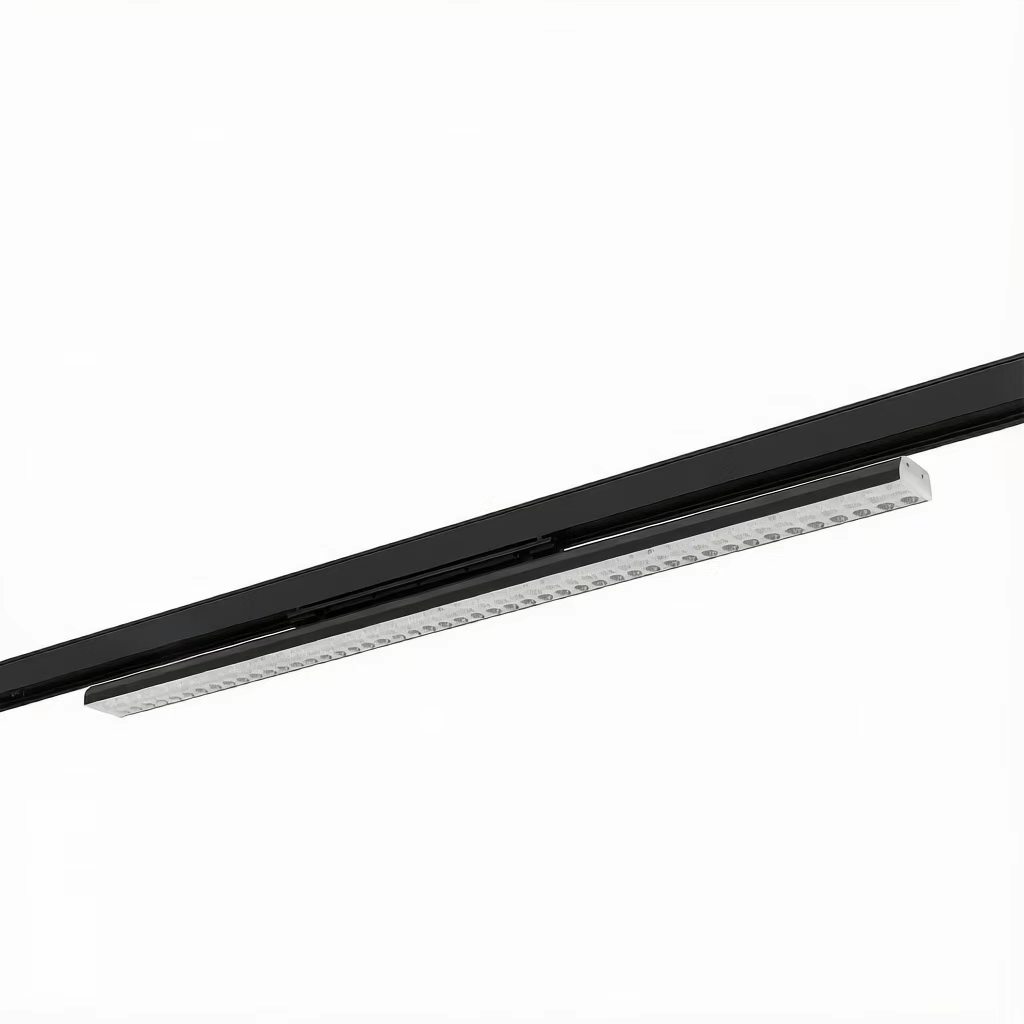
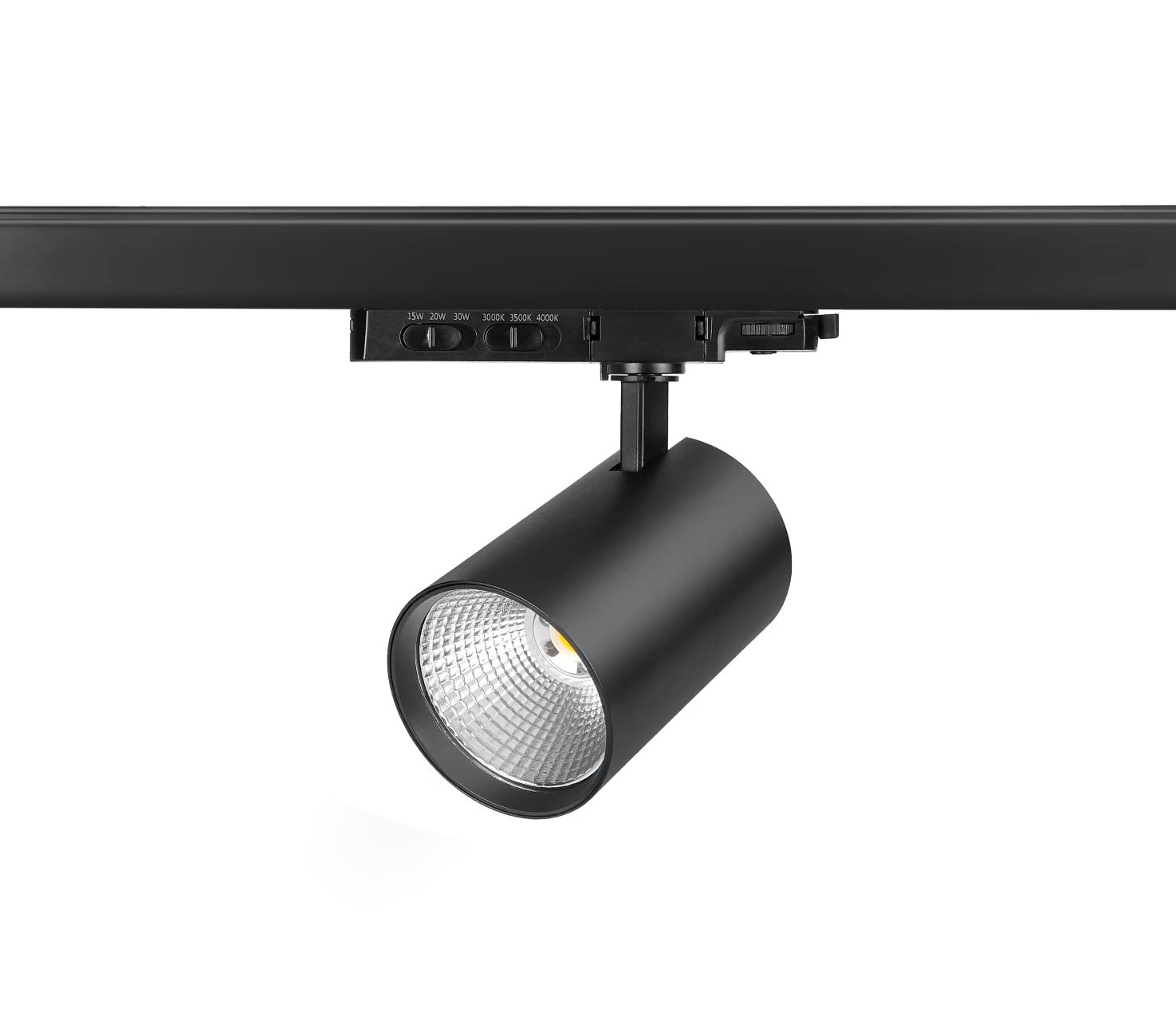
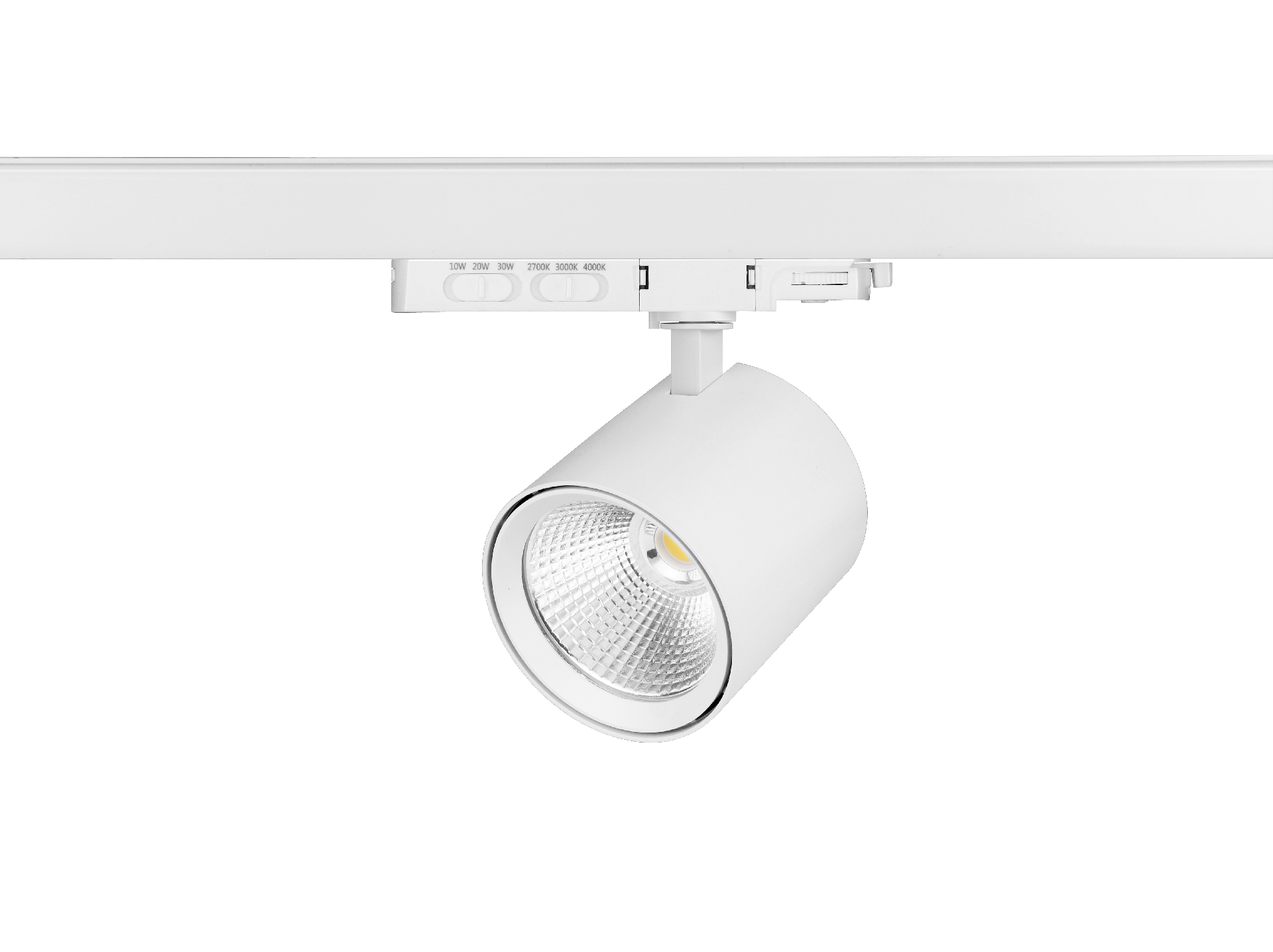
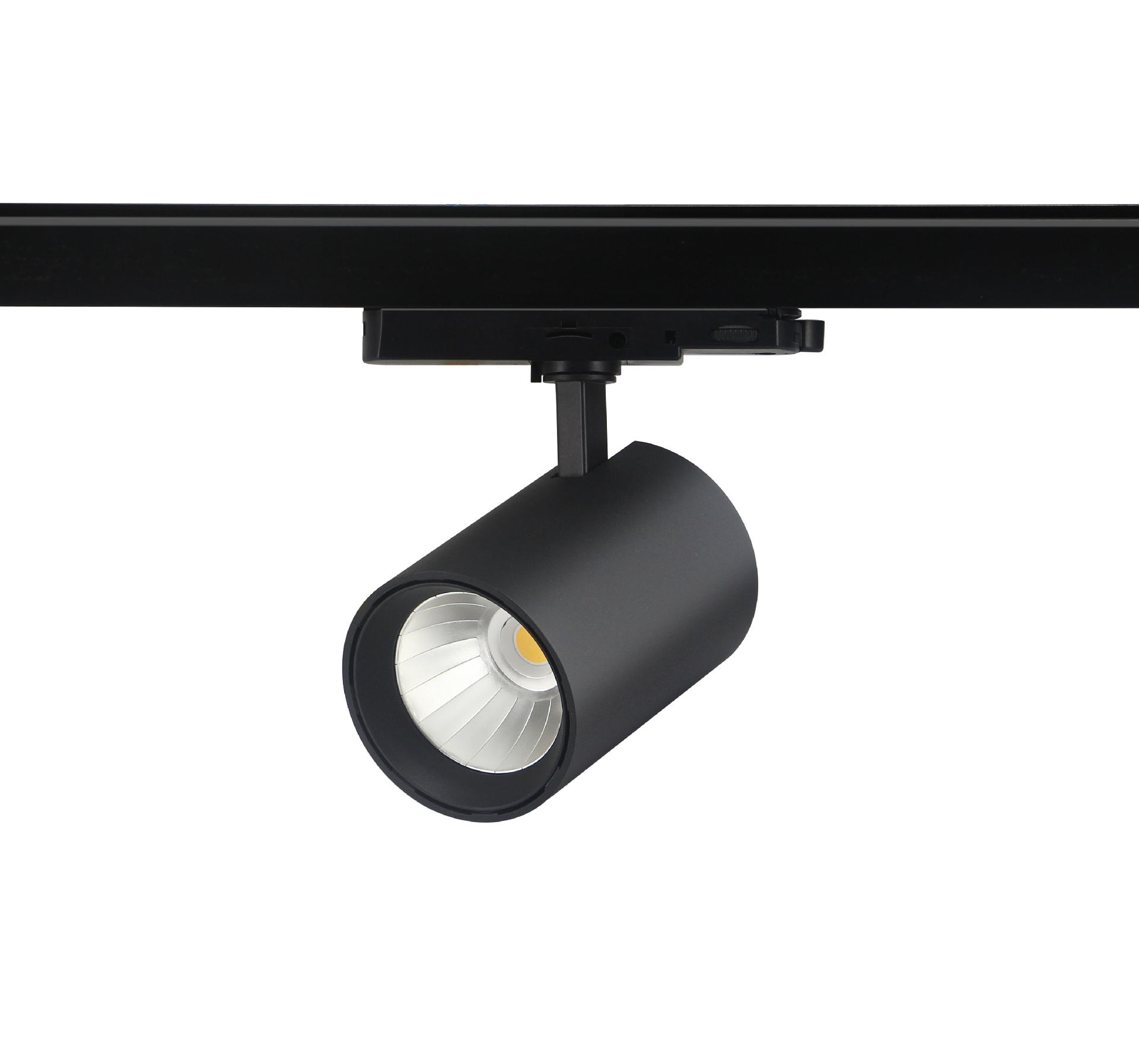
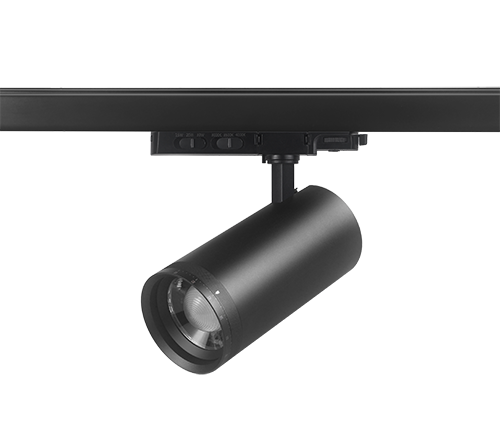
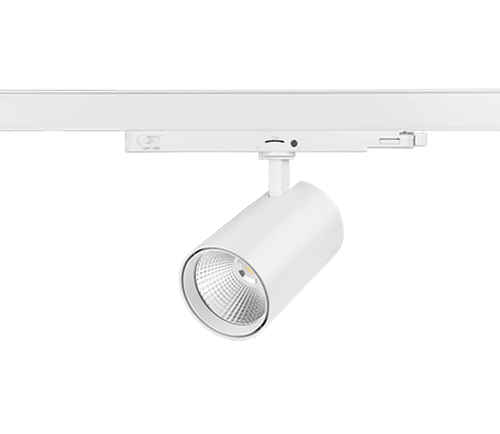
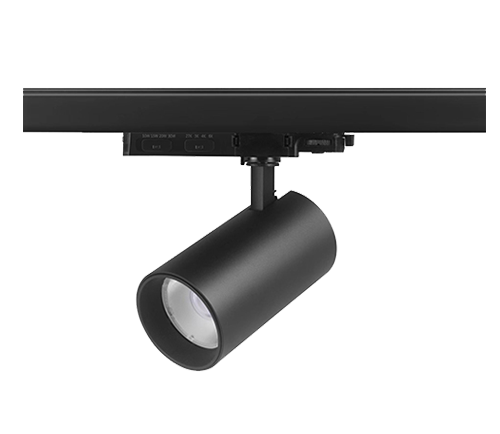
Luxury retail lighting is not simply about making a store bright enough for customers to see the products. In premium fashion stores, textile boutiques, designer clothing shops, and high-end fabric showrooms, lighting directly affects how customers perceive color, texture, material quality, and brand value.
This is why LED track lighting for luxury retail has become an important commercial lighting solution.
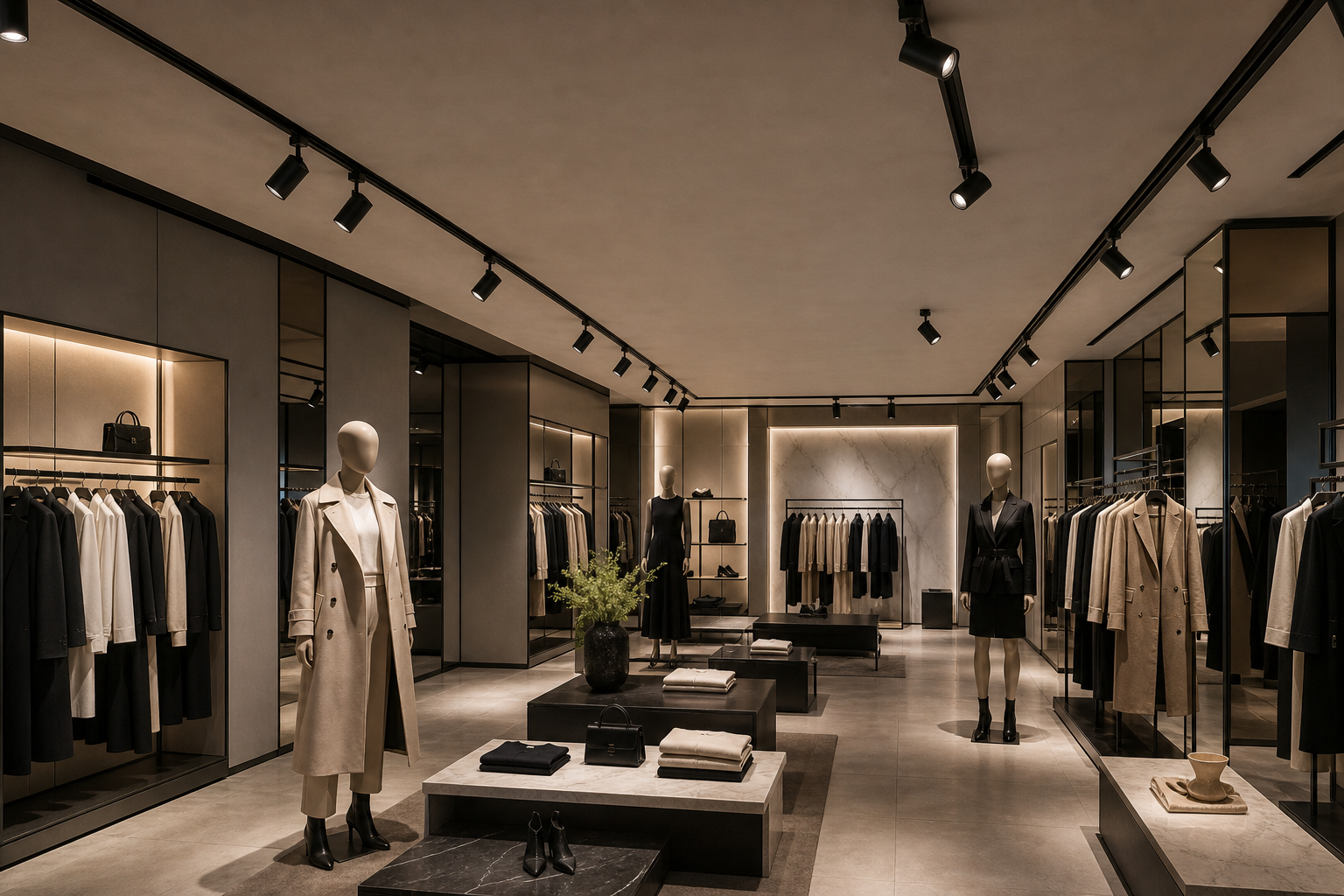
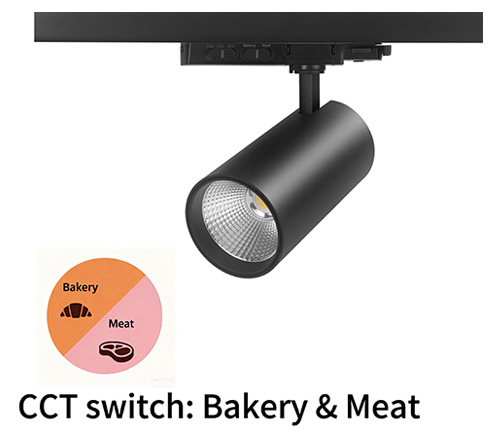
Modern 3CCT LED track lights can provide multiple color temperature options from a single fixture, while power-selectable models can adapt to different display requirements. This reduces the need to specify completely different fixtures for every retail zone and can simplify both installation and inventory management.
1. Why CCT track Lighting Quality Matters in Luxury Retail
Luxury retail environments are designed to communicate quality before customers even touch the merchandise. Interior materials, display furniture, architecture, and lighting all contribute to the overall perception of the brand. Among these elements, lighting has a particularly direct influence because it determines how products are visually presented.
Fabric and textiles are especially sensitive to lighting conditions. A garment that looks elegant under one light source may appear dull, overly warm, or slightly distorted under another. Differences in color temperature, color rendering, beam distribution, and glare can change the way customers perceive the same material.
And for luxury fashion and textile retailers, the objective is therefore not simply to achieve sufficient illumination. The lighting should reveal the product's actual appearance while creating an atmosphere consistent with the brand.
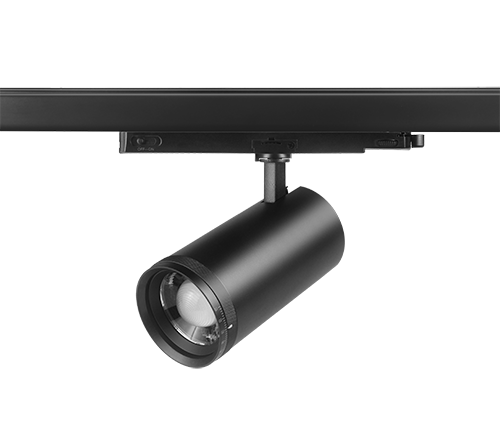
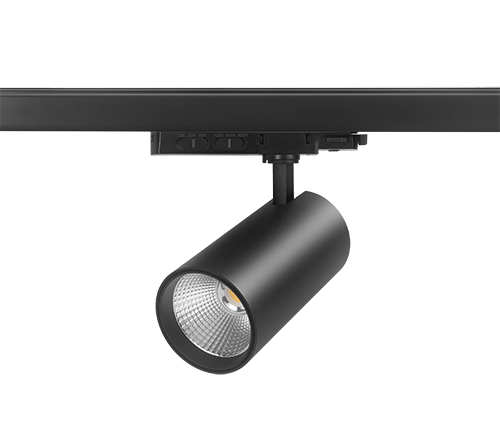
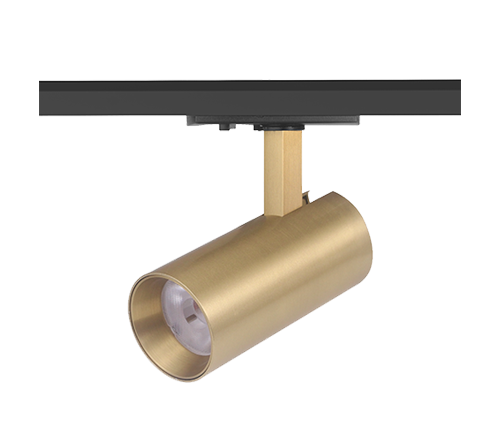
A well-designed LED track lighting system can support this objective by combining general illumination with focused accent lighting. Instead of flooding the entire store with the same amount of light, individual fixtures can be directed toward high-value products and feature displays. This creates visual hierarchy and helps guide customers through the retail environment.
2. How LED Track Lighting System Enhances Fabric and Textile Displays
Fabric contains visual information that conventional lighting can easily flatten. Weaves, stitching, folds, patterns, metallic threads, and surface finishes all create variations in how light is reflected.
A directional LED track spotlight can emphasize these variations by controlling where light falls on the material. When the beam is properly positioned, subtle shadows and highlights can make textiles appear more dimensional without making them look artificially dramatic. This is particularly useful for:
Luxury clothing
Silk and satin
Wool and cashmere
Leather products
Designer textiles
Embroidered fabrics
Patterned garments
High-end home textiles
The purpose is not to exaggerate the texture but to reveal it accurately. This adaptability is one of the reasons retail track lighting remains popular in fashion and luxury retail environments.
3. High CRI LED Track Lighting for Accurate Product Presentation
Color rendering should be one of the first specifications considered when selecting lighting for premium retail. CRI, or Color Rendering Index, indicates how accurately a light source reproduces colors compared with a reference light source. In luxury retail, high CRI is particularly valuable because customers need to see products as accurately as possible before making purchasing decisions.
For many professional retail applications, CRI 90+ even 95+ is a strong specification to consider. Higher-performance LED lighting systems can provide even better color rendering when accurate product presentation is critical.
When evaluating a 3CCT track light, therefore, buyers should look beyond lumen output. A suitable luxury retail fixture should be evaluated according to a combination of CRI, CCT ranges, POWER ranges the optical performance and flicker performance.
This broader approach provides a better indication of how the fixture will perform in a real retail environment with the right CCT track light.
4. 2700K vs 3000K vs 4000K: Which CCT Is Best for Luxury Retail and Commercial Lighting?
Color temperature influences both product appearance and overall store atmosphere. There is no universal CCT that is ideal for every luxury retailer because different brands use different architectural concepts and merchandising strategies.
| CCT | Visual Appearance | Suitable Retail Application |
| 2700K | Warm, intimate & atmospheric | Luxury fashion, premium accessories & hospitality-style retail |
| 3000K | Warm-neutral & sophisticated | Clothing, designer stores |
| 4000K | Clean & neutral | Contemporary retail, modern fashion & technical dispalys. |
2700K produces a warm appearance that can complement premium interiors using wood, brass, leather, and darker decorative finishes. It can help create an intimate and sophisticated atmosphere.
However, extremely warm lighting may alter the perceived appearance of certain fabric colors, so it should be selected carefully where color accuracy is critical. It is a good ideal to choose 2700K for bakery lighting in the bread shops.
3000K provides a balance between warmth and visual clarity. It is often suitable for fashion stores and textile displays because it maintains a premium atmosphere without becoming excessively yellow.
4000K creates a cleaner and more neutral environment. It can be suitable for contemporary retail concepts, and stores where a brighter visual appearance is preferred.
For retailers that operate different product zones, a 3CCT LED track light can provide greater flexibility by allowing the lighting team to select different CCT settings without changing the fixture itself.
5. Recommended 3CCT LED Track Lighting Specifications for Luxury Retail
The ideal specification depends on the store layout, ceiling height, merchandise type, and lighting design. However, the following specification framework can be used when evaluating commercial track lighting for fashion, textile, and luxury retail projects.
| Specification | Track Light Option |
| Product Type | LED track light / tracl spotlight/ 3CCT track light / CCT commercial track lighting system |
| Power | 15W-20W-30W adjustable |
| CCT | 2700K-3000K-4000K 3CCT switchable |
| CRI | >90 |
| Beam Angle | 15 / 24 / 36 / 60 Degree |
| Efficiency | 100-110lm/w |
| Dimming | Triac dimmable / DALI-2 dimming options |
| Driver | Flicker free intrack driver |
Track system
| 3 phase 4 wire; 3 wire |
| Application | Luxury retail / fashion / showroom |
These specifications should be treated as a practical starting point rather than a universal lighting standard. The final selection should be based on photometric calculations and the requirements of the specific project.
6. Why Beam Angle Is So Important When Choosing CCT Track Light for Fabric Displays
Beam angle determines how widely light spreads from the fixture. It therefore affects both the intensity of the light on the fabric and the size of the illuminated area. For luxury retail applications, several beam angles can be useful.
A 15° narrow beam is suitable for highly focused accent lighting. It can highlight a particular garment, mannequin, accessory, logo, or premium display.
A 24° beam provides a slightly broader distribution while maintaining a strong accent effect. It can work well for individual products and smaller clothing displays.
A 36° beam offers a balanced solution for many general retail applications. It provides broader coverage while retaining enough directional control to create product emphasis.
A 60° beam provides wide illumination and can be useful for larger displays or situations where the fixtures are mounted farther from the merchandise.
The correct choice depends on the relationship between beam angle, mounting height, fixture distance, product size, and desired illuminance. There is no single beam angle that is universally best. There's need different beam angle for different products, environment to highlight the item better and create the certain atmosphere.
The position of the fixture is as important as the fixture specification. For fabric and clothing displays, 30w track lights should generally be positioned so that the light reaches the merchandise at an angle rather than pointing directly toward the customer's viewing direction.
A commonly used starting point is approximately a 30-degree aiming angle, although the final position should be adjusted according to the store architecture, ceiling height, product position, and optical characteristics of the fixture.
Proper positioning can help create dimensionality in textiles while reducing direct glare.
If the light is positioned too close to the viewing axis, customers may experience uncomfortable brightness or see distracting reflections. If it is positioned too far away, the fabric may not receive sufficient directional illumination.
Because track lights can be rotated and tilted after installation, they provide a practical advantage over fixed recessed fixtures when retail displays change frequently.
8. Why 3CCT Track Lights Are Valuable for Luxury Retail Projects
Luxury retail environments often change their merchandising layouts according to new collections, seasonal campaigns, and brand events. A lighting system that is permanently fixed to one specification can become restrictive.
A 3CCT track light allows the installer or lighting professional to select between three color temperatures from the same fixture. The exact application will depend on the retailer's visual strategy, but the principle is straightforward: one lighting platform can support multiple visual environments.
For distributors and contractors, this also simplifies product selection because different CCT requirements do not necessarily require completely different fixture models.
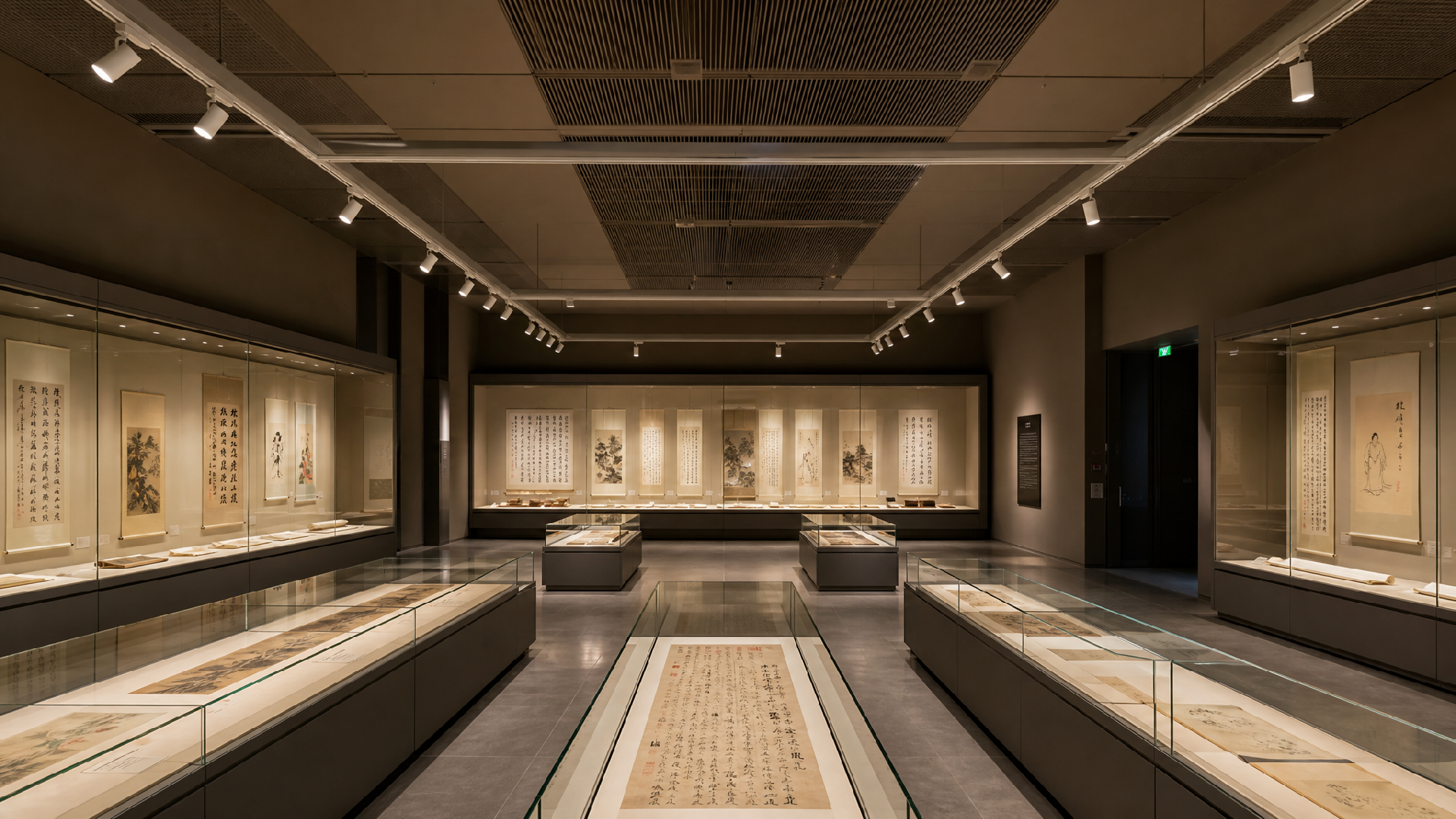
9. LED Track Lighting vs Fixed Lighting for Luxury Retail
For luxury retail stores where merchandising changes frequently, track lighting provides a practical advantage because the lighting can evolve together with the display. CCT track lighting provides more flexible for commercial lightings with the unique functions.
| Factor | Fixted Lighting | CCT LED track lighting |
| Directional Adjustable | Limited | High |
| Display Changes | Less flexible | Easy to adapt |
Product Highlighting
| Limited | Excellent |
| Beam Option | Fixed | Multiple beam angles options |
| CCT options | Fixed | adjustable options (usually 2700K-3000K-4000K) |
| POWER options | Fixed | Switchable available ( often 15W-20W-30W switchable) |
| Layout flexible | Limited | High |
| Suitable for dynamic retail | moderate | high |
10. Integrating CCT Track Lighting into a Layered Retail Lighting Design
Track lighting should not necessarily be used as the only light source in a luxury retail environment. A successful lighting design generally combines several layers.
Ambient lighting establishes the basic illumination and creates visual continuity throughout the store.
Accent lighting provides focused illumination for merchandise. This is where LED track lights are particularly effective.
Task lighting supports functional areas such as fitting rooms, consultation counters, and service desks.
The combination of these layers creates contrast and hierarchy. Customers naturally notice brighter or more precisely illuminated products, allowing retailers to guide attention toward new collections, premium merchandise, and promotional displays.
The result is a more controlled visual environment than simply installing high-output fixtures across the ceiling.
11. Flicker-Free Performance of CCT track light for Retail Photography and Video
Modern luxury retail stores increasingly serve as content environments. Customers and retailers take photographs and record videos for websites, social media, advertising campaigns, and product promotion to attract more visitors and explore potential customers. That means the LED driver quality can therefore have an impact beyond human visual perception. For this reason, flicker-free LED track lighting is a useful specification for premium retail projects.
Stable lighting can support both the physical shopping experience and digital content creation, helping retailers maintain more consistent visual presentation across online and offline channels.
12. How Lighting Distributors Can Benefit from Flexible CCT Track Lighting
The advantages of 3CCT and 3power selectable track lighting extend beyond the retail store itself. For wholesalers and distributors, product flexibility can simplify inventory management. Traditional fixed products may require separate inventory for each combination of
Wattage
CCT
Beam angle
Finish
Dimming method
As the number of combinations increases, inventory forecasting becomes more difficult. But the flexible CCT track light can reduce the number of physical products required to cover multiple project requirements. This can help distributors:
Simplify product portfolios
Reduce SKU complexity
Improve stock flexibility
Respond faster to project changes
Reduce the risk of holding the wrong specification
The exact impact depends on the distributor's purchasing volume and inventory strategy, but SKU consolidation is an important consideration when evaluating switchable commercial lighting.
13. How to Choose CCT LED Track Lighting for a Luxury Retail Project
The selection process should begin with the merchandise rather than the fixture. First determining what products need to be highlighted and how accurately their colors and textures need to be reproduced. High-value textiles generally benefit from high CRI and good color consistency.
Next considering the architectural conditions, including ceiling height, track position, product distance, and display size. These factors determine the appropriate power and beam angle.
The third consideration is color temperature. If the store has a fixed visual concept, a fixed CCT may be sufficient. If the store needs flexibility between different product categories or future merchandising changes, 3CCT technology can be more practical.
Finally, considering dimming, flicker performance, track compatibility, driver quality, warranty, certifications, and manufacturer support.
For B2B buyers, the best product is not simply the lowest-cost fixture. It should provide a balance between light quality, flexibility, reliability, installation convenience, and total project value.
14. Why CCT LED Track Lighting Is a Practical Lighting Solution for Luxury Retail
Luxury retail lighting needs to perform several jobs at the same time. It must make products visible, reproduce colors accurately, reveal textures, create atmosphere, control glare, and remain flexible as the store changes.
CCT LED track lighting addresses these requirements through directional illumination and selectable color temperature. High CRI improves product color presentation, while multiple beam angles provide control over how light interacts with fabrics and displays.
For B2B projects, the combination of 3Power + 3CCT technology adds another layer of flexibility. One fixture can provide multiple power and CCT combinations, potentially reducing SKU complexity while giving contractors more options during installation.
This makes flexible CCT LED track lighting particularly suitable for:
Conclusion
The quality of retail lighting can influence how customers perceive the products, the store, and ultimately the brand itself. In luxury fashion and textile environments, this relationship is particularly important because fabrics depend heavily on accurate color rendering, controlled highlights, and appropriate contrast to reveal their texture and material quality.
LED track lighting for luxury retail provides the directional control needed to highlight merchandise while allowing lighting designers to adapt the system as displays change. High CRI supports more accurate color presentation, while carefully selected beam angles can emphasize fabric texture without producing excessive glare.
CCT technology adds another level of flexibility. With 2700K, 3000K, and 4000K selectable settings, retailers can create different visual environments within the same store. When combined with selectable 15W, 20W, and 30W power settings, a single fixture platform can potentially provide nine different lighting configurations.
For lighting contractors and distributors, this flexibility can simplify project specification and inventory management. For retailers, it provides a lighting system that can evolve with new collections, changing displays, and different merchandising strategies.
Frequently Asked Questions
What is the best color temperature for luxury retail lighting?
2700K and 3000K are commonly suitable for luxury retail environments, while 4000K can be useful for contemporary and technology-focused displays. The ideal CCT depends on the brand identity, interior materials, product colors, and desired atmosphere. A 3CCT LED track light provides additional flexibility by allowing retailers to select different color temperatures from one fixture on site.
Why is high CRI important for fabric and textile displays?
High CRI lighting helps fabrics and textiles appear closer to their natural colors. This is particularly important for luxury fashion, clothing, and textile retailers because customers often make purchasing decisions based on subtle differences in color and material appearance. CRI 90+ is a useful specification target for premium retail lighting applications.
Are LED track lights suitable for luxury clothing stores?
Certainly. CCT LED track lights are well suited to luxury clothing stores because they provide directional and adjustable illumination. Individual fixtures can be aimed toward mannequins, clothing racks, fabric displays, and feature products. Adjustable beam angles and CCT options also allow the lighting to adapt when the merchandising layout changes.
A 3CCT LED track light allows users to select between three color temperatures from the same fixture, commonly 2700K, 3000K, and 4000K. This can reduce the need to use separate fixture models for different CCT requirements and provides greater flexibility during installation and future retail layout changes.
What beam angle is best for fabric displays?
The best beam angle depends on the display size, mounting height, and desired visual effect. Narrow 15° or 24° beams can be used for focused accent lighting, while 36° and 60° beams provide broader illumination. The fixture should be positioned to reveal texture while minimizing direct glare and excessive shadowing.
Can LED track lighting reduce energy consumption in luxury retail stores?
Absolutely, LED track lighting can provide high lighting efficiency while directing light specifically toward merchandise. Actual energy savings depend on fixture efficacy, power consumption, operating hours, dimming, required illuminance, and the overall lighting design. A properly designed LED system can reduce unnecessary energy use while maintaining effective product illumination.
 Tel.+86 15013617190
 Email:info@pustlux.com